
Private Label Manufacturing China for UK Businesses: A Practical Guide

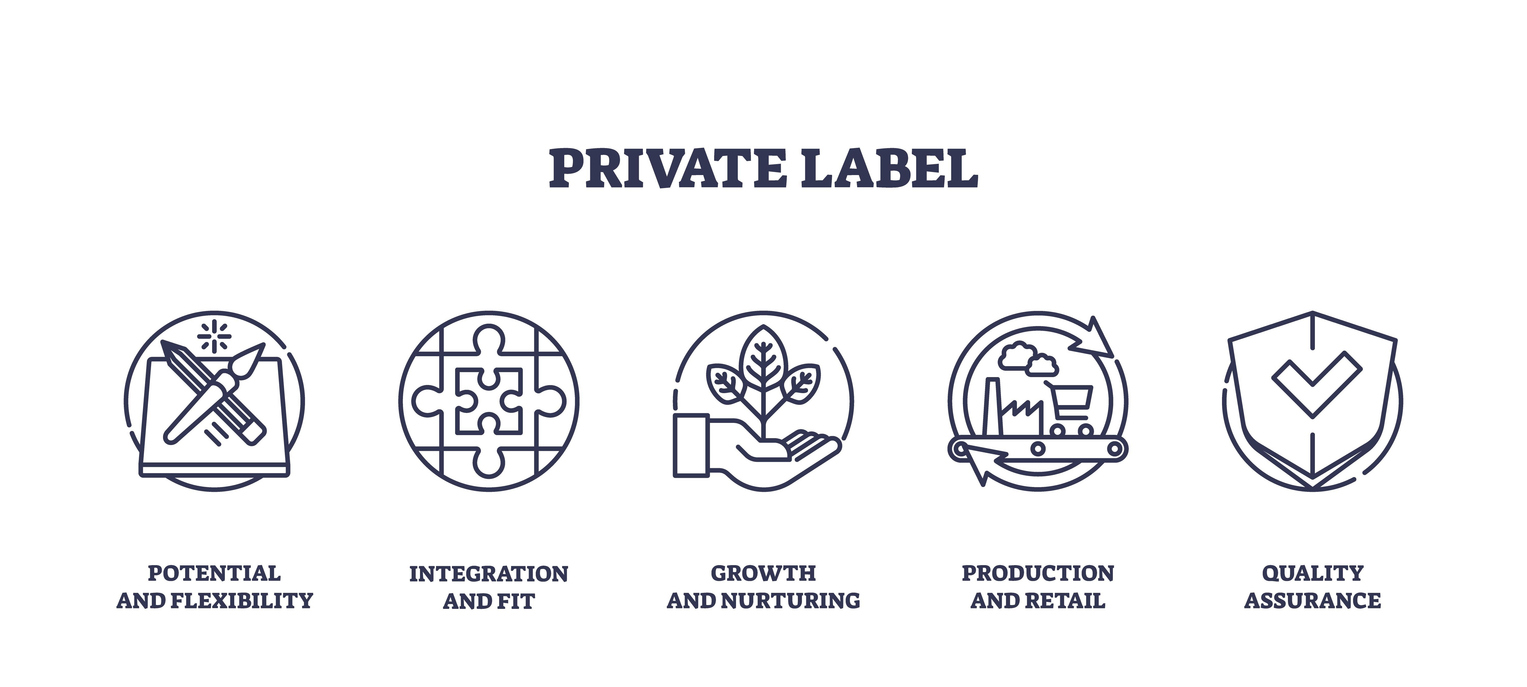
Private label manufacturing China has become a strategic sourcing solution for UK businesses looking to build their own branded product lines at competitive cost. From FMCG and consumer goods to electronics, homeware, and health products, China remains one of the world’s most established private label production hubs.
For UK importers, wholesalers, and retailers, understanding how private label manufacturing in China works—and how to manage risk effectively—is essential to achieving consistent quality and long-term profitability.
What Is Private Label Manufacturing in China?
Private label manufacturing in China refers to the process where a Chinese manufacturer produces goods that are branded and sold under a UK company’s own brand name. Instead of developing a factory or managing in-house production, UK businesses outsource manufacturing while maintaining control over branding, packaging, and market positioning.
This model allows businesses to:
-
Launch products faster – Manufacturers already have infrastructure and production lines in place, reducing time-to-market.
-
Reduce capital investment – There is no need to build production facilities or invest heavily in equipment.
-
Scale efficiently – Production volumes can increase as demand grows, without large fixed overheads.
For UK SMEs and established distributors alike, private label sourcing from China offers flexibility and margin control—provided it is managed properly.
Why UK Businesses Choose Private Label Manufacturing China
1. Competitive Production Costs
China’s manufacturing ecosystem is highly developed. With mature supply chains, skilled labour, and large-scale production capabilities, manufacturers can produce at lower unit costs compared to many European options.
For UK retailers and wholesalers, this can significantly improve gross margins—especially in price-sensitive FMCG and consumer goods categories.
2. Extensive Product Range
China manufactures a vast array of products including:
-
Household goods
-
Personal care products
-
Packaged food and beverage items
-
Electronics and accessories
-
Packaging materials
This diversity allows UK businesses to expand product lines under one brand while consolidating supply sources.
3. Advanced Manufacturing Capabilities
Many Chinese factories operate with modern machinery, automation, and established quality control systems. In sectors such as electronics, packaging, and consumer goods, manufacturing standards can match international expectations when proper supplier vetting is conducted.
However, quality levels vary by factory. Proper due diligence and inspection processes are critical.
Key Challenges of Private Label Manufacturing in China
While private label manufacturing China offers clear benefits, it also presents operational risks that UK importers must manage carefully.
Quality Control Issues
Quality inconsistency is one of the most common concerns. Without clear specifications and inspection protocols, products may not meet UK regulatory or retail standards.
Practical solution:
Implement detailed product specifications, approved samples, and third-party pre-shipment inspections. Working with an experienced sourcing and logistics partner such as Wigmore Trading can help ensure that production meets agreed standards before goods are shipped to the UK.
Compliance with UK Regulations
Products imported into the UK must comply with relevant standards, including:
-
UKCA or CE marking (where applicable)
-
Food safety regulations for FMCG
-
Labelling requirements
-
Packaging compliance
Failure to comply can result in delays, fines, or rejected shipments.
Practical solution:
Confirm compliance requirements before production begins. Request test reports and certification documentation in advance. Wigmore Trading supports UK importers by verifying documentation and helping coordinate compliant shipments.
Supply Chain Disruptions
Shipping delays, port congestion, and freight cost fluctuations can affect delivery timelines and cash flow.
Practical solution:
Plan inventory well in advance and diversify shipping routes where possible. A logistics-focused partner can assist with freight forwarding, customs clearance, and warehousing solutions to reduce disruption risk.
Steps to Successfully Source Private Label Products from China
1. Conduct Thorough Supplier Verification
Not all factories are equal. Before committing to a supplier:
-
Verify business licenses
-
Review production capacity
-
Request references or past client samples
-
Conduct factory audits if possible
Professional sourcing companies can conduct these checks locally, reducing the risk of fraud or misrepresentation.
2. Define Detailed Product Specifications
Ambiguity leads to quality issues. Clear documentation should include:
-
Material specifications
-
Dimensions and tolerances
-
Packaging requirements
-
Branding guidelines
-
Labelling instructions for UK markets
The more precise the documentation, the lower the likelihood of production errors.
3. Order Samples Before Mass Production
Sampling ensures the product meets your expectations before full-scale manufacturing begins. It also provides an opportunity to test compliance, packaging durability, and consumer appeal.
4. Implement Quality Inspections
Pre-production, in-line, and pre-shipment inspections reduce risk significantly. Independent inspections ensure goods match the approved sample and agreed quality standards.
Wigmore Trading works with reliable inspection partners to support UK businesses sourcing from China, helping ensure products arrive ready for distribution.
5. Plan Shipping and Customs in Advance
Freight planning is a critical part of private label manufacturing China for UK importers. Consider:
-
Incoterms (FOB, CIF, EXW)
-
Container consolidation
-
Customs documentation
-
Import duties and VAT
Coordinating manufacturing timelines with freight schedules ensures stock arrives in time for retail cycles or seasonal demand.
Private Label Manufacturing China for UK Wholesale and Distribution
For UK wholesalers and distributors, private label manufacturing offers strong competitive advantage. By controlling branding, businesses can:
-
Differentiate from competitors
-
Improve pricing control
-
Build long-term brand equity
-
Negotiate better retail placement
However, managing overseas production, quality assurance, and shipping requires structured processes.
Wigmore Trading supports UK businesses across sourcing, import/export coordination, logistics, and supply chain management. By bridging the gap between Chinese manufacturers and UK markets, the company helps reduce risk while maintaining cost efficiency.
Is Private Label Manufacturing in China Right for Your Business?
Private label manufacturing China is particularly suitable for:
-
UK FMCG distributors expanding product lines
-
E-commerce brands building exclusive products
-
Retail chains seeking higher-margin alternatives
-
Import/export businesses scaling volume
If your business has clear product specifications, reliable demand forecasts, and structured supply chain processes, sourcing from China can be a highly effective strategy.
For companies new to overseas sourcing, working with an experienced trade and logistics partner can significantly reduce operational risk. Wigmore Trading can help guide you through supplier selection, compliance checks, freight coordination, and customs procedures.
Final Thoughts
Private label manufacturing China remains a powerful sourcing solution for UK businesses seeking cost efficiency, scalability, and brand control. Success depends on careful supplier selection, strict quality control, regulatory compliance, and effective logistics management.
With the right strategy and experienced support, UK importers and distributors can build profitable, long-term private label brands.
Wigmore Trading can help.
Contact Wigmore Trading today to streamline your sourcing.






Comments are closed.