

A Complete Guide to Household Goods Import from China to UK

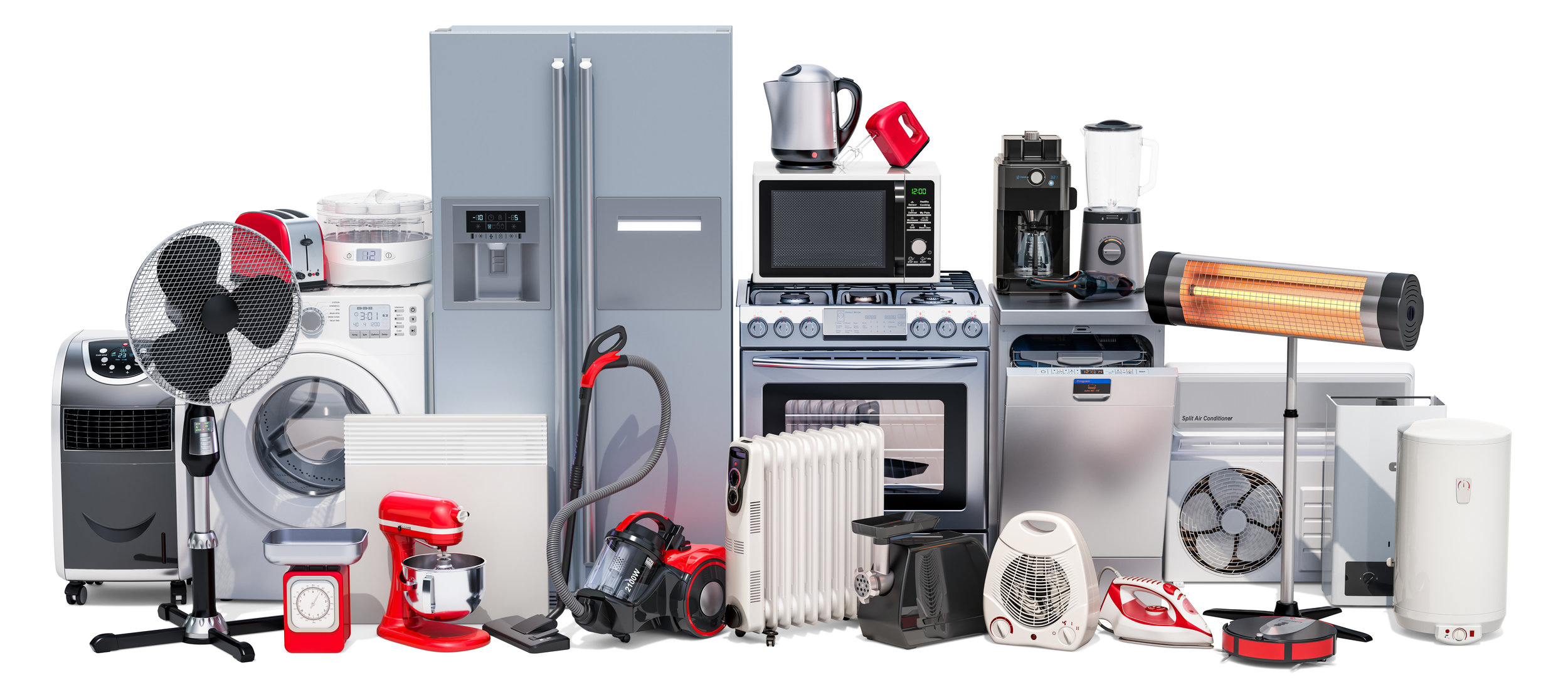
Importing household goods from China to the UK has become an increasingly strategic move for wholesalers, retailers, and distributors seeking competitive pricing and diverse product ranges. From kitchenware and home décor to cleaning supplies and small domestic appliances, China remains one of the UK’s largest trading partners for consumer household products.
However, successful household goods import from China to UK requires more than finding a supplier and placing an order. Businesses must understand regulatory requirements, logistics planning, product standards, and customs procedures to avoid delays, penalties, or unexpected costs.
Why Import Household Goods from China to the UK?
China offers significant manufacturing advantages, including large-scale production capacity, competitive labour costs, and a well-developed export infrastructure. For UK businesses in retail, wholesale distribution, and FMCG sectors, this translates into:
-
Access to a broad variety of household goods
-
Flexible minimum order quantities depending on supplier
-
Competitive pricing that supports healthy margins
-
Private labelling and OEM manufacturing options
Many UK importers rely on Chinese suppliers for products such as plastic storage containers, cookware, glassware, textiles, cleaning equipment, and home organisation items. The ability to customise packaging and branding also makes China attractive for businesses developing their own product lines.
That said, importing is not without risk. Quality inconsistencies, shipping delays, and regulatory non-compliance can disrupt supply chains if not managed properly.
Regulatory Requirements for Household Goods Import from China to UK
Before importing household products into the UK, businesses must ensure compliance with UK regulations. Requirements vary depending on the product category.
For example, electrical household goods must comply with UKCA marking standards and relevant safety directives. Products in contact with food, such as kitchen utensils or food storage containers, must meet food safety regulations and material compliance standards. Textiles must follow labelling rules, including fibre composition and care instructions.
Importers are legally responsible for ensuring that products meet UK safety and compliance requirements. This includes maintaining technical documentation, conformity declarations, and accurate labelling.
Working with experienced sourcing and compliance partners can reduce the risk of non-compliant shipments being held at customs. Wigmore Trading supports businesses by verifying supplier credentials and helping ensure imported goods meet UK regulatory standards before shipment.
Choosing Reliable Suppliers in China
Supplier selection is one of the most critical stages in the household goods import process. While online sourcing platforms provide access to thousands of manufacturers, due diligence is essential.
Businesses should assess:
-
Factory certifications and production capabilities
-
Quality control processes
-
Export experience and documentation accuracy
-
Communication reliability
On-site inspections and third-party quality checks can help minimise the risk of defective goods. Clear product specifications, approved samples, and agreed packaging standards should be established before full-scale production begins.
Wigmore Trading assists clients in identifying credible manufacturers and conducting supplier verification, helping reduce sourcing risks and protect brand reputation.
Shipping and Logistics Considerations
When managing household goods import from China to UK, shipping method selection significantly impacts cost and delivery timelines.
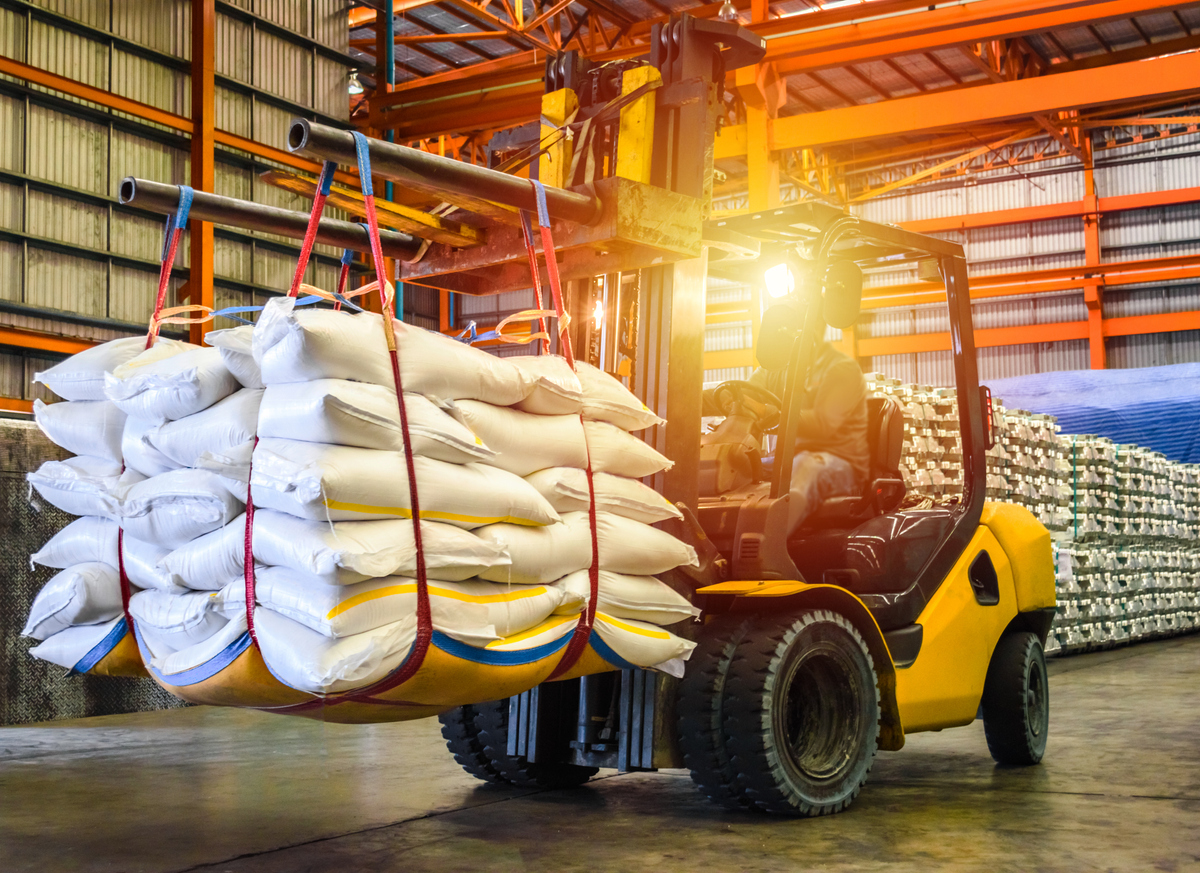
Sea freight remains the most common option for bulk shipments due to cost efficiency, especially for heavy or high-volume goods such as cookware sets or plastic storage products. Air freight is suitable for urgent or high-value items but comes at a higher cost.
Importers must also account for:
-
Incoterms (such as FOB or CIF)
-
Freight forwarding arrangements
-
Customs clearance procedures
-
VAT and import duties
-
UK port handling charges
Accurate commodity classification using the correct HS codes is essential for determining applicable duties and avoiding customs complications.
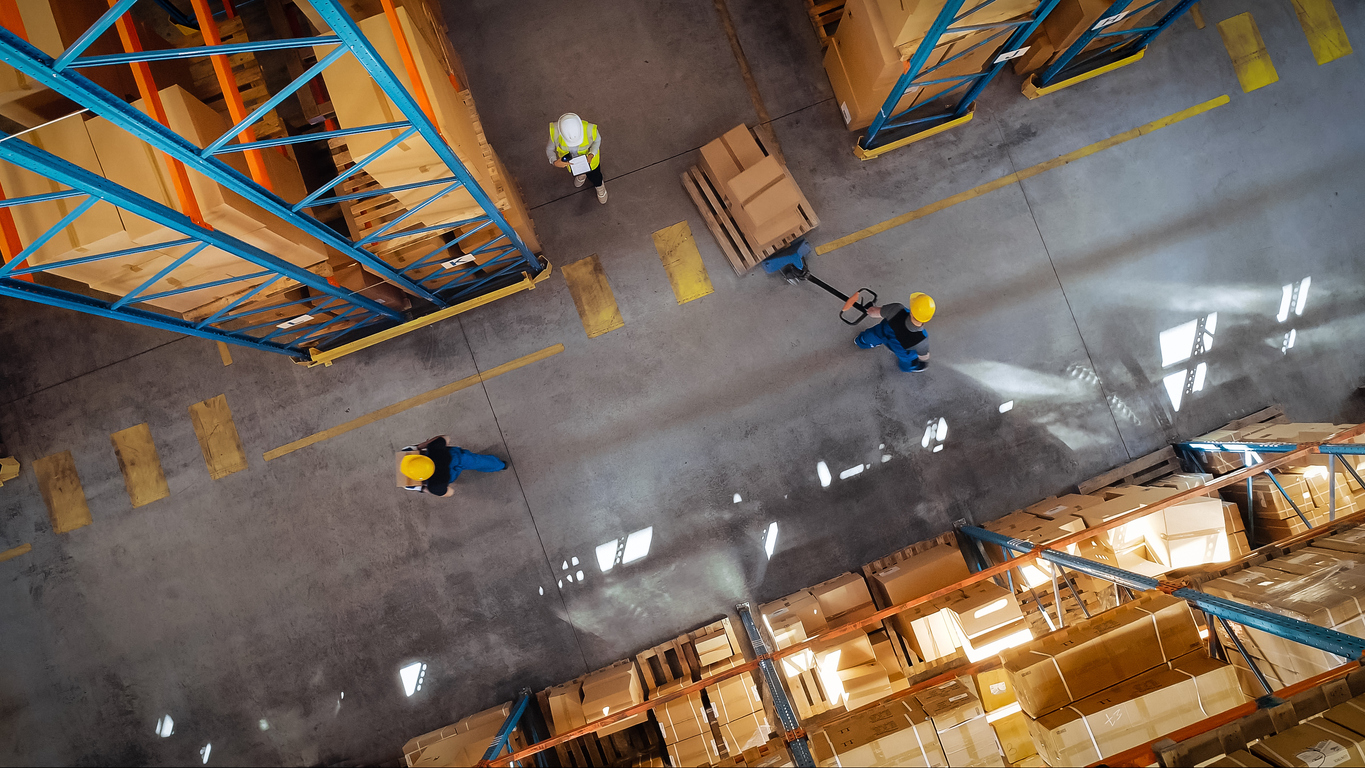
Partnering with an experienced logistics and trade specialist helps ensure smooth customs processing and accurate documentation. Wigmore Trading supports end-to-end logistics coordination, reducing the administrative burden on importers and ensuring timely delivery to UK warehouses or distribution centres.
Managing Costs and Profit Margins
Understanding the total landed cost is essential when importing household goods. Beyond product unit price, businesses must factor in:
-
Freight charges
-
Insurance
-
Customs duties
-
VAT
-
Port and clearance fees
-
Inland transport within the UK
Failure to calculate these accurately can erode margins and impact pricing strategy.
Strategic planning, bulk purchasing, and efficient freight consolidation can significantly improve cost efficiency. Experienced import partners can also advise on optimal shipping schedules to avoid peak-season freight surcharges.
Quality Control and Risk Management
Household goods are consumer-facing products, making quality control particularly important. Damaged or substandard goods can result in customer complaints, returns, and reputational damage.
Pre-shipment inspections, laboratory testing where required, and clear contractual agreements help reduce risk. Establishing long-term relationships with trusted suppliers also improves consistency over time.
Wigmore Trading works closely with clients to implement structured quality assurance processes and manage supply chain risks effectively.
Conclusion
Household goods import from China to UK presents substantial opportunities for wholesalers, retailers, and distributors seeking competitive pricing and product diversity. However, success depends on careful supplier selection, regulatory compliance, accurate cost planning, and reliable logistics management.
By approaching the import process strategically and working with experienced trade partners, businesses can minimise risk while maximising profitability.
Wigmore Trading can help. Contact Wigmore Trading today to streamline your sourcing.



Comments are closed.