
Import Fabric from China to UK: Costs, Suppliers & Shipping Guide

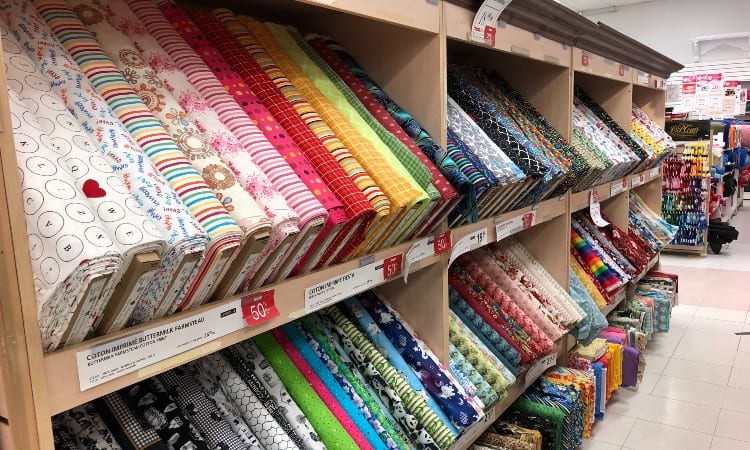
The fabric import from China to UK market has grown steadily as British fashion brands, wholesalers, and manufacturers seek competitive pricing, diverse material options, and scalable production. China remains one of the world’s largest textile producers, offering everything from cotton and polyester to technical and specialty fabrics at commercial volumes.
For UK businesses, importing fabric from China can significantly improve margins and product variety. However, it also requires careful supplier selection, compliance management, and logistics coordination to ensure quality, consistency, and regulatory adherence.
Why Businesses Choose Fabric Import from China to UK
China’s textile manufacturing sector benefits from advanced production infrastructure, large-scale capacity, and a well-developed supply chain ecosystem. This enables suppliers to offer competitive pricing while maintaining consistent output across different fabric categories.
UK importers often source:
-
Cotton and blended fabrics for apparel manufacturing
-
Polyester and synthetic materials for sportswear and outerwear
-
Technical textiles for industrial use
-
Upholstery and home furnishing fabrics
Beyond cost advantages, Chinese mills frequently provide customization options, including specific GSM weights, weave patterns, dyeing processes, and finishing treatments. For UK brands developing private label collections or seasonal lines, this flexibility is a major advantage.
That said, successful sourcing depends on verifying supplier credibility and ensuring the fabrics meet UK safety and labelling standards.
Understanding UK Regulations for Fabric Imports
Any business involved in fabric import from China to UK must comply with post-Brexit customs procedures and product safety requirements.
Imported textiles must meet:
-
UK REACH regulations regarding chemical substances
-
Flammability standards for certain fabric types
-
Labelling requirements for fibre composition
-
Customs declarations and commodity codes
Failure to meet regulatory standards can result in delays at UK ports, additional inspections, or rejected shipments. Importers must also ensure that documentation such as commercial invoices, packing lists, and bills of lading are accurate and aligned with UK customs procedures.
Working with an experienced trade and logistics partner helps reduce the risk of costly compliance errors.
Shipping and Logistics Considerations
Fabric import from China to UK typically involves either sea freight or air freight, depending on urgency and order size.
Sea freight is the most common method for bulk textile shipments. It offers lower cost per unit but requires longer transit times, usually between four and six weeks. Air freight is suitable for urgent replenishment orders or smaller sample consignments but comes at a higher cost.
Other logistical factors include:
-
Incoterms (FOB, CIF, DDP, etc.)
-
Port handling charges
-
Import VAT and duties
-
Warehousing and inland distribution
Efficient supply chain coordination ensures that fabrics arrive on time for production schedules. Delays can disrupt seasonal product launches or retail commitments.
This is where professional sourcing and logistics management becomes essential.
Quality Control in Fabric Import from China to UK
One of the key risks in international textile sourcing is inconsistency in quality. Differences in dye lots, shrinkage rates, or GSM weight can impact final garment production and customer satisfaction.
UK importers should implement pre-shipment inspections, request fabric samples, and clarify specifications in detailed purchase agreements. Testing for colour fastness, durability, and compliance with UK chemical regulations is especially important for large-volume orders.
On-the-ground supplier verification and quality control processes reduce the likelihood of disputes and financial loss.
Cost Factors Beyond the Unit Price
While Chinese suppliers often offer competitive factory prices, the total landed cost of fabric import from China to UK includes more than just the per-meter rate.
Businesses must factor in:
-
Shipping costs
-
Insurance
-
Import duties
-
Customs clearance fees
-
Inland transportation
-
Currency exchange fluctuations
A comprehensive cost analysis ensures accurate pricing strategies and protects profit margins. Importers who focus only on factory price may underestimate the true landed cost of their goods.
Strategic sourcing partners can provide visibility into total cost structures, helping businesses make informed decisions.
Managing Supply Chain Risks
Global trade disruptions, port congestion, and currency volatility can all affect textile imports. Businesses importing fabrics at scale need contingency planning and diversified sourcing strategies.
Maintaining clear communication with suppliers, tracking production timelines, and monitoring shipping schedules are critical for supply chain stability. Additionally, establishing buffer stock in UK warehouses can help manage seasonal demand fluctuations.
Companies that approach fabric import from China to UK with structured supply chain planning are better positioned to maintain operational continuity.
How Wigmore Trading Supports Fabric Import from China to UK
Navigating supplier selection, quality control, compliance, and logistics requires expertise in international trade. Wigmore Trading works with businesses across the UK and Africa to streamline sourcing and distribution processes.
From identifying reputable textile manufacturers to managing shipping documentation and coordinating freight, Wigmore Trading helps reduce risk and improve efficiency. Their experience in import/export logistics ensures that fabrics move smoothly through customs and into distribution channels without unnecessary delays.
For wholesalers, garment manufacturers, and retailers looking to optimise textile sourcing, professional trade support can significantly enhance supply chain reliability.
Conclusion
Fabric import from China to UK presents strong opportunities for businesses seeking cost-effective and diverse textile options. However, success depends on careful supplier vetting, compliance with UK regulations, and well-managed logistics.
By focusing on total landed cost, quality control, and structured supply chain planning, importers can maximise profitability while minimising operational risk.
Wigmore Trading can help.






Comments are closed.