
Best Way to Import Plastic Products from China to the UK in 2026


Importing plastic goods has become a core part of UK retail, manufacturing, and wholesale supply chains. From packaging materials and household goods to industrial components and FMCG-related plastics, China remains one of the UK’s largest sourcing markets.
Understanding the regulatory, logistical, and commercial considerations involved in plastic products import from China to UK is essential for businesses seeking cost efficiency, product reliability, and compliance with UK standards.
This guide explains how the process works, key compliance requirements, and how businesses can manage risks effectively.
Why the UK Sources Plastic Products from China
China dominates global plastic manufacturing due to its large-scale production capacity, established supply networks, and competitive pricing. UK importers benefit from:
-
Economies of scale that reduce per-unit costs
-
Access to specialised moulding and fabrication technologies
-
Wide product variety across consumer and industrial categories
-
Integrated manufacturing clusters that streamline production
For wholesalers and FMCG distributors in the UK, importing from China allows better margin control while maintaining product availability across retail networks.
However, cost savings must be balanced with quality assurance, regulatory compliance, and efficient logistics management.
Types of Plastic Products Commonly Imported into the UK
The range of plastic goods imported from China is broad and spans multiple industries.
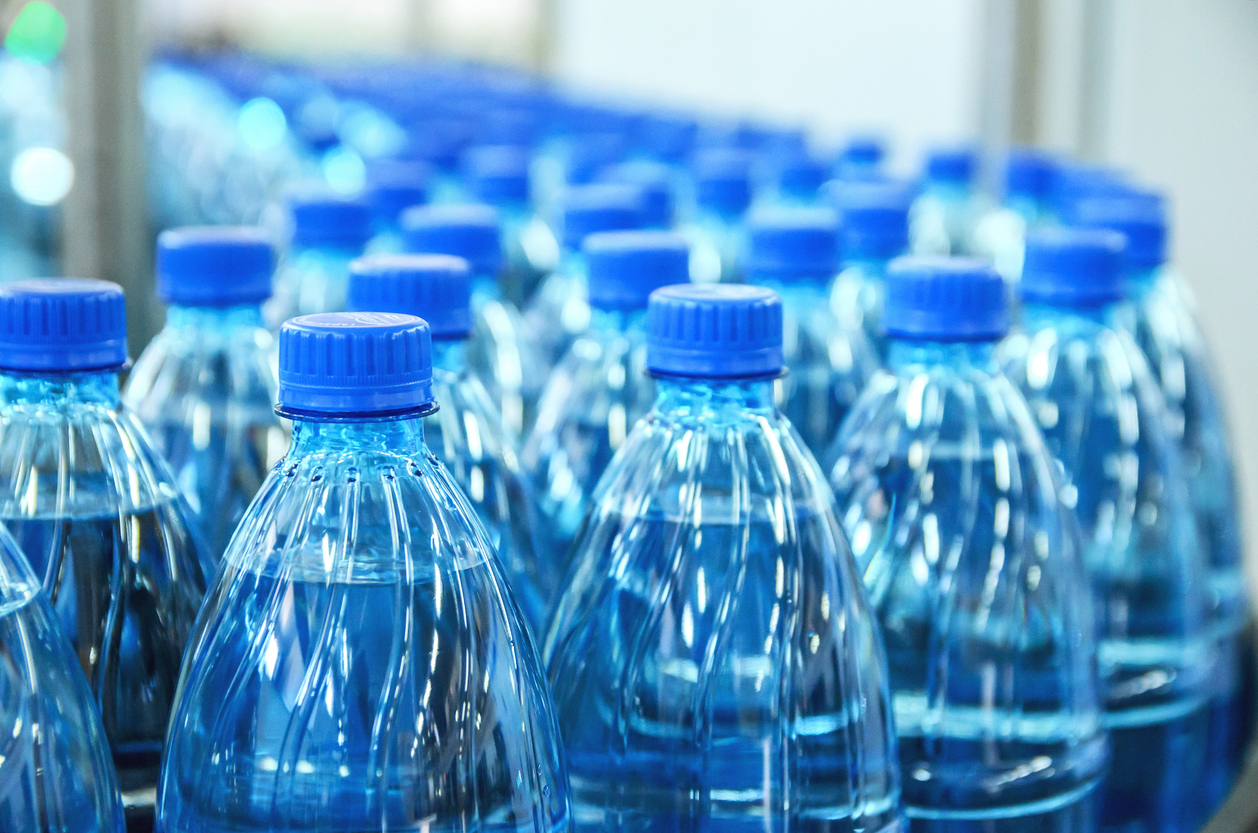
Common categories include packaging materials such as bottles, containers, and shrink wrap; household plastic items; automotive components; construction materials like PVC fittings; and consumer goods including storage boxes and kitchenware.
Each category may fall under different regulatory frameworks depending on its intended use. For example, food-grade plastic packaging must comply with UK food contact material regulations, while children’s products are subject to additional safety standards.
This makes it critical for importers to understand classification codes and applicable compliance rules before placing large orders.
Regulatory Requirements for Plastic Products Import from China to UK
Since Brexit, UK importers must follow specific customs and regulatory procedures separate from the EU framework. Businesses importing plastic products must consider:
1. UKCA Marking and Product Standards
Certain plastic goods, particularly construction materials or regulated consumer products, require UKCA marking. This demonstrates conformity with UK safety and environmental standards.
Importers are legally responsible for ensuring products meet these requirements and for retaining technical documentation.
2. REACH and Chemical Compliance
Plastic products often contain chemical additives. Under UK REACH regulations, importers must ensure substances used in plastic production comply with chemical safety standards. Restricted substances must not exceed permitted limits.
Failure to comply can result in shipment seizure or fines.
3. Food Contact Regulations
Plastic packaging intended for food use must comply with UK Food Standards Agency (FSA) requirements. Suppliers must provide declarations of compliance and testing documentation.
4. Customs Documentation
Accurate documentation is essential, including:
-
Commercial invoice
-
Packing list
-
Bill of lading or airway bill
-
Correct HS code classification
-
Import declarations
Incorrect documentation can cause costly delays at UK ports.
Working with an experienced import partner such as Wigmore Trading helps ensure documentation accuracy and regulatory alignment before goods leave China.
Shipping and Logistics Considerations
Logistics planning is central to successful plastic products import from China to UK. Shipping options typically include sea freight and air freight.
Sea freight is more cost-effective for bulk shipments but requires longer lead times, typically between 25 to 40 days depending on port congestion and routing. Air freight is significantly faster but considerably more expensive, making it suitable for urgent or high-value goods.
Importers must also account for:
-
Container availability
-
Port handling charges
-
Customs clearance timelines
-
Inland transportation within the UK
-
Potential anti-dumping duties (where applicable)
Plastic products are generally lightweight but may occupy high container volume. Optimising packaging dimensions can significantly reduce freight costs.
Wigmore Trading supports clients by coordinating freight forwarding, customs clearance, and inland distribution, ensuring that goods move efficiently from Chinese factories to UK warehouses.
Managing Quality and Supplier Risk
One of the main challenges in importing plastic goods from China is maintaining consistent quality standards.
Before committing to long-term supply contracts, UK businesses should conduct supplier due diligence. This may include factory audits, product sampling, and verification of compliance certifications.
Clear product specifications must be agreed in writing, covering material grade, dimensions, colour standards, durability requirements, and packaging details.
Quality control inspections prior to shipment reduce the risk of defective goods arriving in the UK. Third-party inspections can verify production batches before containers are sealed.
Wigmore Trading works with trusted supplier networks and can assist with sourcing, supplier verification, and pre-shipment inspection management to mitigate operational risks.
Duties, VAT, and Cost Calculations
When calculating total landed cost for plastic products import from China to UK, businesses must consider:
-
Customs duties based on HS code
-
Import VAT (typically 20% unless exempt)
-
Freight and insurance
-
Port and handling fees
-
Warehousing and distribution costs
Accurate cost forecasting protects profit margins and avoids pricing miscalculations in wholesale or retail contracts.
An experienced trade partner can help determine applicable tariff codes and duty rates before orders are finalised.
Sustainability and Environmental Considerations
The UK government continues to strengthen policies around plastic waste and sustainability. Importers must stay informed about:
-
Plastic Packaging Tax (applicable to certain products with less than 30% recycled plastic)
-
Extended Producer Responsibility (EPR) schemes
-
Recycling and labelling obligations
Sourcing recyclable or higher-recycled-content plastic products can help businesses remain compliant while improving brand reputation.
Wigmore Trading assists companies in identifying compliant suppliers and navigating evolving environmental regulations affecting plastic imports.
Strategic Approach to Plastic Products Import from China to UK
Successful import operations require more than securing low factory prices. Businesses must combine regulatory awareness, logistics planning, quality control, and financial forecasting.
Partnering with a reliable import and distribution specialist ensures smoother coordination between Chinese manufacturers, freight providers, and UK customs authorities.
For wholesalers, retailers, and manufacturers seeking dependable sourcing channels, working with an experienced trade intermediary reduces operational risk while protecting supply continuity.
Conclusion
Plastic products import from China to UK offers significant commercial opportunities across retail, FMCG, construction, and manufacturing sectors. However, regulatory compliance, logistics planning, and quality control must be carefully managed to avoid costly disruptions.
By taking a structured and informed approach, UK businesses can benefit from competitive pricing while maintaining compliance and operational efficiency.
Wigmore Trading can help. Contact Wigmore Trading today to streamline your sourcing.




Comments are closed.