
How to Successfully Source from China for Your Nigerian Business

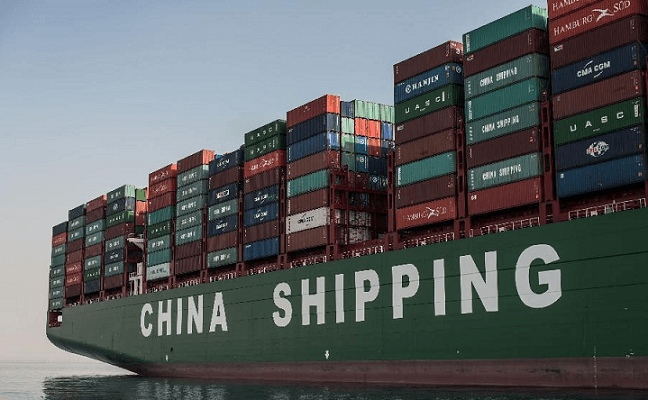
As Nigerian businesses expand across FMCG, construction, manufacturing, and retail, international procurement has become a strategic necessity rather than an option. Among global supply markets, China remains one of the most important trading partners for Nigeria due to its manufacturing capacity, competitive pricing, and product diversity.
However, China sourcing for Nigeria companies requires more than simply finding a supplier online. It demands careful supplier verification, compliance awareness, logistics coordination, and risk management. This guide explains how Nigerian companies can approach sourcing from China effectively and sustainably, while minimising operational risk.
Why China Sourcing for Nigeria Companies Remains Strategic
China has built a reputation as the world’s manufacturing hub. From consumer electronics and textiles to industrial equipment and FMCG packaging materials, Chinese suppliers offer scalability that many markets cannot match.
For Nigerian companies, the benefits include:
-
Access to cost-efficient production
-
Broad product variety across industries
-
Flexible manufacturing capabilities
-
Established export infrastructure
However, competitive pricing alone should not drive sourcing decisions. Total landed cost — including freight, customs duties, port handling charges, and compliance requirements — determines true profitability. Businesses that fail to account for these variables often experience margin erosion after shipment arrival.
This is where structured procurement planning becomes essential.
Understanding the Risks in China Sourcing for Nigeria Companies
While China offers significant advantages, sourcing without due diligence can expose Nigerian companies to operational and financial risks.
Supplier reliability is a primary concern. Not all manufacturers listed on digital marketplaces are genuine factories. Some are trading companies with limited control over production quality. Without proper vetting, companies may receive products that do not meet agreed specifications.
Quality inconsistency is another challenge. A sample may meet standards, but bulk production can vary if quality control systems are weak. In FMCG and regulated industries, this can lead to product rejection or regulatory issues upon arrival in Nigeria.
Logistics delays also present a common risk. Congestion at major Chinese ports, fluctuating freight rates, and customs clearance bottlenecks in Nigeria can disrupt supply chains. Poor documentation can further delay cargo release.
Professional sourcing partners help mitigate these risks by conducting supplier verification, overseeing production inspections, and coordinating compliant logistics.
Supplier Verification and Due Diligence
Successful China sourcing for Nigeria companies begins with thorough supplier assessment.
Verification should include:
-
Confirmation of business registration and export licence
-
Factory audits to assess production capacity
-
Review of quality management systems
-
Inspection of past export history
In sectors such as electrical products, food packaging, cosmetics, or pharmaceuticals, regulatory compliance becomes critical. Nigerian companies must ensure that products meet SON (Standards Organisation of Nigeria) and NAFDAC requirements where applicable.
Engaging an experienced sourcing and trade partner like Wigmore Trading helps streamline this process. By managing supplier checks and coordinating pre-shipment inspections, businesses reduce the risk of non-compliant or substandard goods entering Nigeria.
Managing Quality Control in China Sourcing
Quality control should not be treated as an afterthought. It must be built into the sourcing process from the beginning.
Clear product specifications, technical drawings, packaging requirements, and labelling standards should be documented before production starts. Pre-production samples should be approved in writing, and in-line inspections during manufacturing help identify issues early.
Pre-shipment inspections are particularly important for high-value or bulk shipments. These inspections verify product quantity, packaging integrity, and compliance with agreed standards before goods leave China.
Without structured quality control, Nigerian importers risk receiving defective products that are costly to return or replace.
Logistics and Freight Planning for Nigeria Imports
Shipping goods from China to Nigeria requires careful freight planning. Businesses must choose between sea freight and air freight based on cost, urgency, and product type.
Sea freight remains the most economical option for bulk shipments, especially for wholesale distributors and FMCG importers. However, longer transit times require accurate demand forecasting to avoid stockouts.
Air freight is faster but significantly more expensive, making it suitable for urgent orders or high-value goods.
Customs clearance is another critical component. Incorrect HS codes, incomplete documentation, or inaccurate invoices can lead to clearance delays or penalties. Nigerian companies must ensure that commercial invoices, packing lists, certificates of origin, and regulatory documentation are correctly prepared.
An integrated logistics partner can coordinate freight booking, manage documentation, and oversee customs clearance to ensure smooth cargo movement from Chinese factories to Nigerian warehouses.
Payment Structures and Financial Risk Management
Payment terms in China sourcing typically involve a deposit before production and balance payment before shipment. Common structures include 30% upfront and 70% upon completion.
However, new supplier relationships carry financial risk. Without safeguards, deposits may be lost if a supplier fails to deliver.
Risk mitigation strategies include:
-
Using letters of credit for large transactions
-
Structuring milestone-based payments
-
Working with trade intermediaries who provide transaction oversight
Wigmore Trading supports Nigerian companies by facilitating secure trade processes and ensuring structured financial arrangements that reduce exposure.
Streamline Your Supply Chain with China Sourcing for Nigeria Companies
One-off transactions rarely lead to optimal pricing or priority production slots. Nigerian businesses that approach China sourcing strategically focus on long-term supplier relationships.
Consistent order volumes, clear communication, and transparent expectations encourage suppliers to prioritise production schedules and maintain quality standards. Over time, businesses can negotiate improved pricing, customised packaging, and exclusive manufacturing arrangements.
Strategic sourcing also involves diversifying suppliers to reduce dependency on a single factory. This protects companies from unexpected disruptions such as factory shutdowns or regulatory changes.
How Wigmore Trading Supports China Sourcing for Nigeria Companies
Sourcing internationally can stretch internal resources, particularly for growing Nigerian wholesalers and distributors. Managing factory negotiations, inspections, freight coordination, and customs clearance simultaneously requires expertise and local knowledge in both markets.
Wigmore Trading provides structured sourcing support, including:
-
Supplier identification and verification
-
Contract negotiation and price benchmarking
-
Quality inspections and compliance checks
-
Freight coordination and customs clearance
-
End-to-end supply chain management
By integrating procurement and logistics, businesses reduce fragmentation and improve supply chain visibility. This leads to better cost control, fewer delays, and more predictable inventory flow.
Conclusion: Turning China Sourcing into a Competitive Advantage
China sourcing for Nigeria companies offers significant opportunities to reduce costs, expand product ranges, and strengthen market competitiveness. However, success depends on structured supplier selection, quality assurance, compliant logistics, and financial risk management.
Companies that treat sourcing as a strategic function rather than a transactional purchase are better positioned to protect margins and maintain consistent product standards.
With the right systems and experienced trade support, Nigerian businesses can transform international procurement into a long-term growth driver.
Wigmore Trading can help. Contact Wigmore Trading today to streamline your sourcing.






Comments are closed.