
How to Clear Goods at Apapa Port Without Costly Mistakes

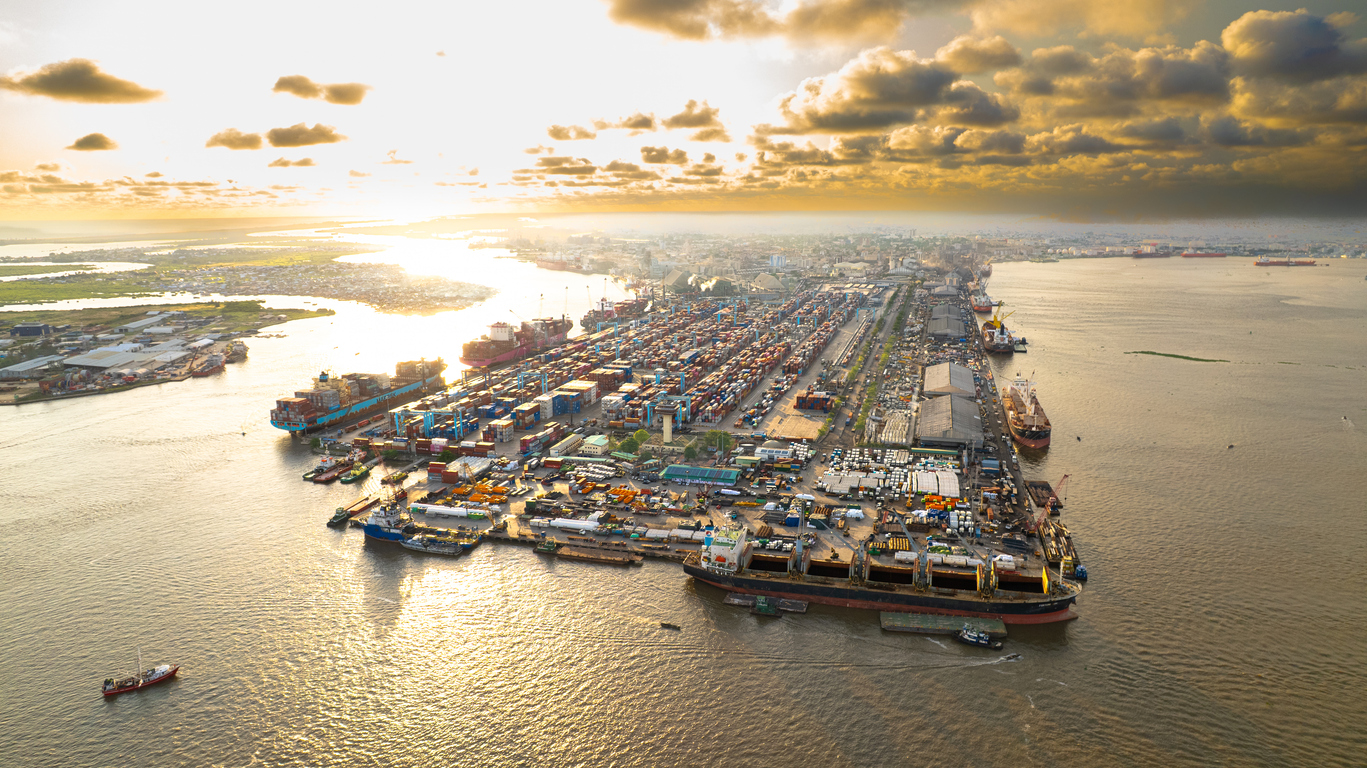
Apapa Port remains Nigeria’s busiest and most commercially significant seaport, handling a large share of the country’s imports and exports. For importers, distributors, and FMCG businesses, clearing goods at Apapa Port efficiently can mean the difference between smooth supply chain operations and costly delays.
However, the process can be complex. From documentation requirements to customs procedures and port congestion, businesses must navigate multiple regulatory and operational steps. This guide explains how clearing works, common challenges importers face, and how partnering with an experienced trade company like Wigmore Trading can simplify the process.
Understanding the Clearing Process at Apapa Port
Clearing goods at Apapa Port involves several coordinated steps between importers, customs authorities, shipping lines, terminal operators, and clearing agents.
The typical process includes:
-
Pre-arrival documentation – Submission of Form M and Pre-Arrival Assessment Report (PAAR) through the Nigeria Customs Service.
-
Bill of Lading and shipping documentation – Proper alignment of invoice, packing list, and shipping documents.
-
Customs declaration and duty payment – Classification under the correct HS code and payment of import duties and levies.
-
Inspection and examination – Physical or scanner-based inspection by customs.
-
Release and exit – Terminal handling, gate clearance, and transport out of the port.
Each stage must be handled accurately to avoid penalties, demurrage, or seizure.
Common Challenges When Clearing Goods at Apapa Port
Port Congestion and Delays
Apapa Port is known for heavy traffic and congestion, both within the terminal and on surrounding access roads. Delays in truck movement and container positioning can increase storage and demurrage costs.
Solution: Advance planning and early documentation processing reduce the time goods spend at the port. Working with an experienced clearing partner ensures documentation is completed before vessel arrival.
Incorrect Documentation
Errors in HS codes, undervaluation, or mismatched documentation are among the leading causes of delays when clearing goods at Apapa Port.
Solution: Ensure commercial invoices, packing lists, and product descriptions are accurate and consistent. Wigmore Trading assists clients in reviewing documentation before shipment to minimize compliance risks.
Regulatory Compliance Issues
Nigeria Customs Service regularly updates regulations and valuation benchmarks. Importers who are unfamiliar with these changes may encounter unexpected duty assessments or additional inspections.
Solution: Partner with a team that understands current import regulations and classification requirements. Wigmore Trading helps businesses remain compliant while optimizing duty structures within legal frameworks.
High Demurrage and Storage Charges
Delays in clearing can result in significant demurrage charges from shipping lines and storage fees from terminal operators.
Solution: Efficient coordination between customs agents, terminal operators, and transport providers reduces clearance timelines. Proactive engagement with stakeholders is key.
Best Practices for Efficient Clearing at Apapa Port
To streamline operations and control costs, importers should adopt structured clearing strategies:
-
Conduct pre-shipment compliance checks.
-
Use accurate product descriptions and HS codes.
-
Budget for duties and port charges in advance.
-
Engage experienced clearing agents familiar with Apapa procedures.
-
Monitor shipment status continuously from departure to release.
Businesses operating in FMCG distribution, industrial supply, or bulk commodity importation benefit especially from consistent processes. Any delay can disrupt warehouse inventory and downstream retail supply chains.
Why Professional Support Matters
Clearing goods at Apapa Port is not just an administrative task—it is a critical component of supply chain management. For wholesalers, manufacturers, and African trade operators, inefficiencies at the port can ripple across logistics networks.
Wigmore Trading supports businesses with:
-
Import advisory and documentation review
-
Customs clearance coordination
-
Duty and compliance guidance
-
Freight forwarding and logistics management
-
End-to-end supply chain support
By integrating sourcing, shipping, and clearance services, businesses reduce fragmentation and improve visibility across their operations.
For companies importing consumer goods, food products, industrial materials, or general merchandise into Nigeria, having a reliable clearing partner reduces risk and protects margins.
Clearing Goods at Apapa Port for FMCG and Wholesale Businesses
FMCG importers face unique challenges. Many products are time-sensitive, regulated, or subject to specific certifications. Delays at Apapa Port can lead to stock shortages, missed retail opportunities, and additional warehousing costs.
Similarly, wholesale distributors operating across West Africa depend on predictable turnaround times. Efficient port clearance ensures goods reach distribution centers quickly and remain competitive in the market.
Wigmore Trading works with businesses across sectors to coordinate sourcing, importation, and distribution, helping them move goods efficiently through Apapa and into local markets.
Final Thoughts
Clearing goods at Apapa Port requires preparation, regulatory knowledge, and effective coordination. While congestion and compliance challenges remain realities of operating in Nigeria’s busiest port, structured planning and professional support significantly reduce delays and costs.
For importers, distributors, and trade businesses looking to streamline their operations, the right partner makes all the difference.
Wigmore Trading can help.
Get in touch with our team to learn more about efficient customs clearance and logistics support.






Comments are closed.