

Textile Machinery Import from China to Nigeria: A Practical Guide for Nigerian Manufacturers

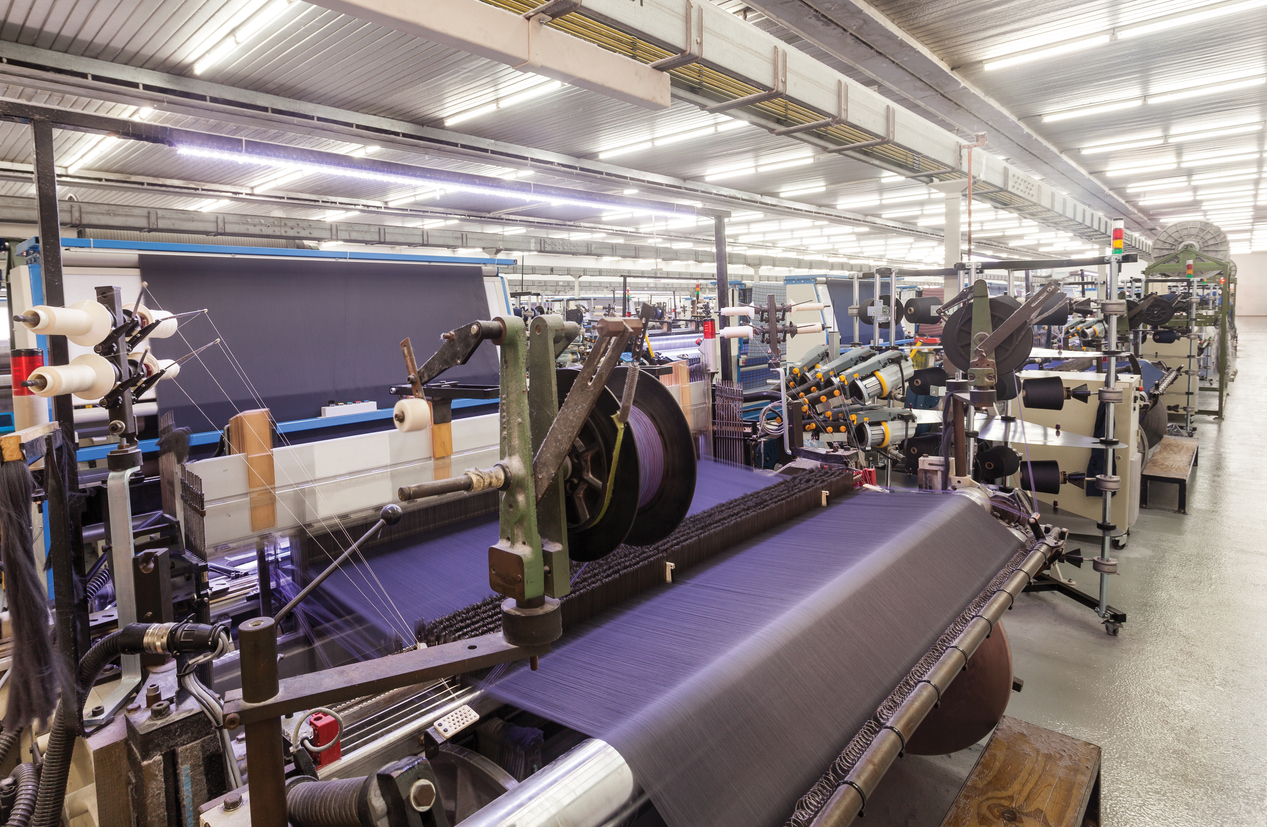
Nigeria’s textile and garment sector is gradually regaining momentum, driven by rising local demand, import substitution policies, and growing interest in regional exports under AfCFTA. For investors and manufacturers, textile machinery import from China to Nigeria has become a strategic pathway to modernise production and improve competitiveness.
China remains one of the world’s largest producers of textile equipment, offering a wide range of machinery at competitive prices. However, importing industrial machinery involves more than selecting a supplier. It requires careful planning around compliance, logistics, technical standards, and after-sales support.
This guide explains what Nigerian businesses need to know and how experienced trade partners like Wigmore Trading can help streamline the process.
Why Choose Textile Machinery Import from China to Nigeria?
China dominates global textile machinery manufacturing due to its scale, innovation, and cost efficiency. Nigerian textile manufacturers importing from China typically benefit from:
-
Competitive pricing compared to European or Japanese equipment
-
Access to both entry-level and advanced automated systems
-
Flexible production lines suitable for small and large-scale factories
-
Established export infrastructure and global shipping networks
Chinese suppliers manufacture a wide range of machinery, including spinning machines, weaving looms, knitting machines, dyeing and finishing equipment, embroidery machines, and garment production lines. For Nigerian investors setting up new factories or upgrading legacy systems, China offers options across multiple price and technology levels.
However, lower cost does not automatically mean lower quality. Supplier verification and technical due diligence are essential to ensure the equipment meets Nigerian production needs and international standards.
Key Considerations Before Importing Textile Machinery from China
Technical Specifications and Production Capacity
Before initiating a textile machinery import from China to Nigeria, businesses must clearly define production goals. This includes expected output volume, fabric type, automation level, energy consumption, and compatibility with existing equipment.
Failure to match machinery capacity with production strategy can result in bottlenecks or underutilised equipment. Working with procurement specialists helps align machinery selection with long-term operational plans.
Compliance and Regulatory Requirements in Nigeria
Industrial machinery imports into Nigeria must comply with regulatory standards set by relevant authorities such as:
-
Nigeria Customs Service (NCS)
-
Standards Organisation of Nigeria (SON)
-
National Agency for Food and Drug Administration and Control (NAFDAC) (if machinery relates to packaging of regulated goods)
Textile machinery may require SONCAP certification to confirm conformity with Nigerian standards. Proper documentation, including Form M, Pre-Arrival Assessment Report (PAAR), bill of lading, commercial invoice, and packing list, must be correctly processed to avoid port delays.
Errors in documentation are one of the most common causes of shipment hold-ups. Experienced import facilitators can help ensure compliance is managed correctly from the outset.
Import Duties and Cost Structure
When planning textile machinery import from China to Nigeria, businesses must account for total landed cost, not just the supplier’s quoted price. Key cost components include:
-
Machinery purchase price
-
Freight charges (sea or air)
-
Marine insurance
-
Import duties and taxes
-
Port handling and clearing charges
-
Inland transportation
Textile machinery may attract specific tariff classifications under Nigeria’s HS code system. Accurate classification prevents overpayment of duties or regulatory complications.
A reliable trade partner can assist with accurate duty estimation and cost forecasting to support financial planning.
Shipping and Logistics for Textile Machinery Import from China to Nigeria
Textile machinery is often heavy, bulky, and sometimes fragile. Most shipments move via sea freight in 20ft or 40ft containers, depending on size and configuration.
Shipping considerations include:
-
Proper crating and protective packaging
-
Securing machinery to prevent movement during transit
-
Clear labelling and documentation
-
Coordination with freight forwarders and clearing agents
Delays at Nigerian ports can increase demurrage and storage costs. Proactive customs processing and accurate paperwork reduce these risks significantly.
Wigmore Trading supports businesses with end-to-end logistics coordination, from supplier pickup in China to customs clearance and final delivery within Nigeria. This integrated approach helps minimise disruptions and protects investment value.
Supplier Verification and Quality Assurance
One of the biggest risks in textile machinery import from China to Nigeria is dealing with unverified suppliers. Online marketplaces provide access to thousands of manufacturers, but not all meet international quality standards.
Due diligence should include:
-
Verifying company registration and export history
-
Reviewing production certifications
-
Conducting factory inspections
-
Requesting machinery testing videos or live demonstrations
-
Negotiating warranty and spare parts agreements
Industrial equipment is a long-term investment. Access to spare parts, technical manuals, and after-sales support is critical for smooth operations.
Through established supplier networks and on-ground sourcing expertise, Wigmore Trading helps Nigerian businesses identify reliable manufacturers and negotiate favourable terms.
Installation, Training, and After-Sales Support
Importing machinery is only the first stage. Installation, calibration, and operator training determine how effectively the equipment performs.
Many Chinese manufacturers provide remote guidance or on-site technicians for installation. However, this must be arranged in advance and factored into the overall project timeline and budget.
Businesses should also secure:
-
Maintenance schedules
-
Spare parts inventory plans
-
Technical documentation in English
-
Clear warranty terms
A structured supply chain partner can coordinate these elements to ensure the transition from delivery to production is smooth.
The Strategic Value of Textile Machinery Import from China to Nigeria
Nigeria’s push for local manufacturing and reduced reliance on imported textiles creates opportunities for investors. Modern textile machinery enhances productivity, reduces waste, and improves product consistency, enabling Nigerian manufacturers to compete both domestically and regionally.
By carefully managing sourcing, compliance, shipping, and installation, textile machinery import from China to Nigeria can become a profitable and scalable investment.
Working with experienced trade and logistics specialists reduces risk and improves operational efficiency. Wigmore Trading supports businesses across sourcing, documentation, customs clearance, and supply chain management, helping manufacturers focus on production rather than administrative complexities.
Conclusion
Textile machinery import from China to Nigeria offers strong opportunities for industrial growth, provided the process is handled strategically. From supplier verification and regulatory compliance to shipping coordination and installation planning, each stage requires careful execution.
With the right guidance and supply chain support, Nigerian textile businesses can modernise operations and strengthen their market position. Wigmore Trading can help.




Comments are closed.