
How to Import Smartphones Wholesale from China to Nigeria Successfully

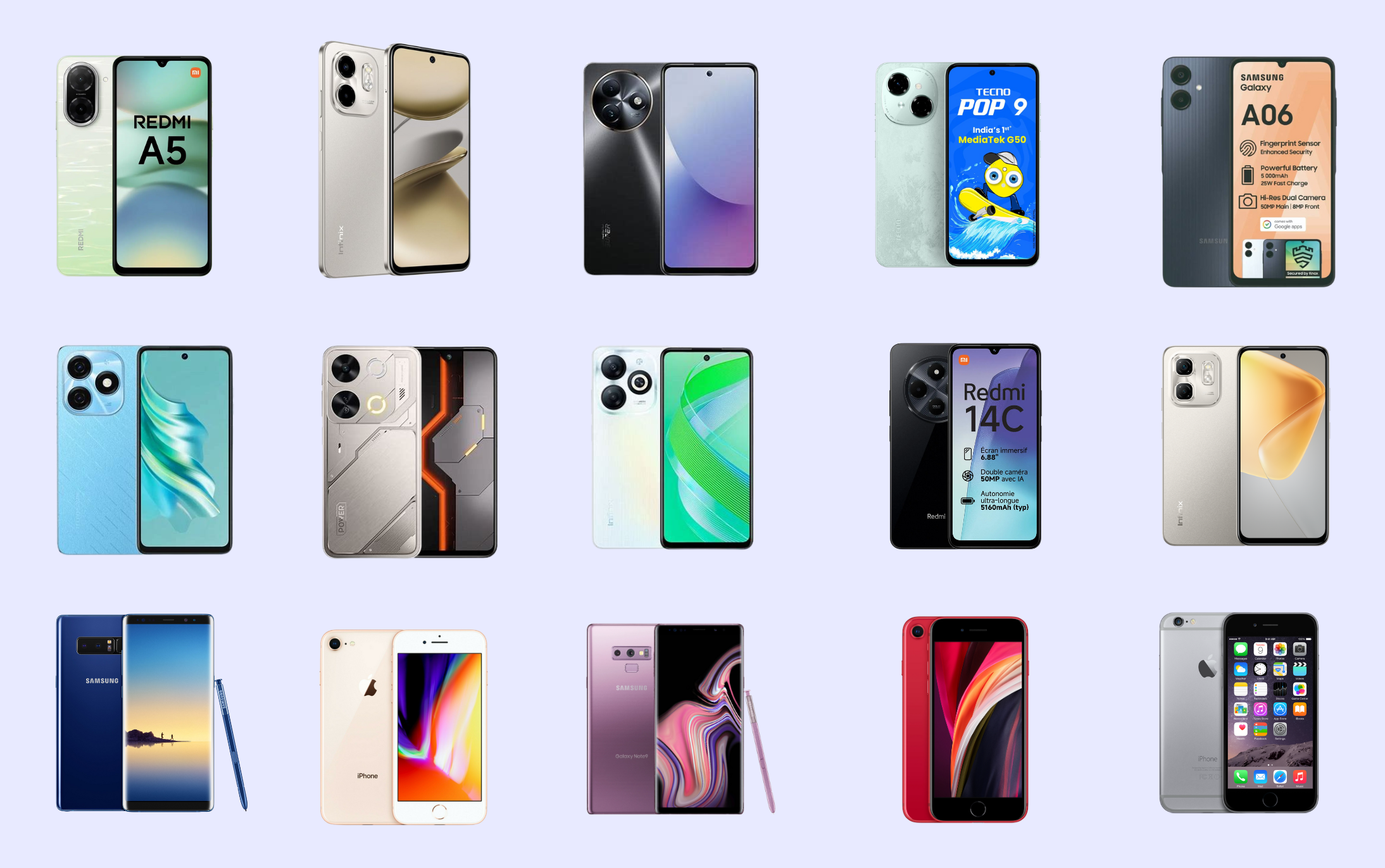
Nigeria is one of Africa’s largest and fastest-growing smartphone markets. With a young population, expanding internet access, and strong demand for affordable mobile devices, the country presents significant opportunities for distributors and retailers. As a result, smartphones wholesale from China to Nigeria has become a major trade corridor for businesses seeking competitive pricing and consistent supply.
China remains the world’s leading smartphone manufacturing hub, producing devices across every price tier—from entry-level Android phones to premium flagship models. However, sourcing smartphones in bulk from China to Nigeria requires careful planning, supplier verification, regulatory compliance, and efficient logistics management.
This guide explains how the process works and how businesses can structure their supply chain effectively.
Why Smartphones Wholesale from China to Nigeria Is Growing
Several factors drive the expansion of smartphones wholesale from China to Nigeria.
First, China offers unmatched manufacturing scale. Major global brands and OEM/ODM factories operate within established electronics clusters such as Shenzhen and Guangzhou. This concentration allows wholesalers to access competitive factory pricing and flexible order volumes.
Second, Nigeria’s smartphone demand is price-sensitive. Consumers often prioritize affordability, durability, battery life, and dual-SIM capability. Chinese manufacturers are particularly strong in producing devices tailored to these preferences.
Finally, improvements in logistics routes between Asia and West Africa have reduced shipping times and increased supply chain reliability, making bulk importation more feasible for Nigerian distributors.
Understanding the Smartphone Sourcing Process
Successfully importing smartphones wholesale from China to Nigeria involves more than placing an order with a supplier. Businesses must address sourcing, compliance, shipping, and local distribution in a coordinated manner.
Supplier Verification and Product Authenticity
The smartphone market carries risks related to counterfeit products, grey-market stock, and substandard devices. Nigerian importers must verify that suppliers are authorized distributors or legitimate manufacturers.
Key checks include:
-
Confirming business registration and export licenses
-
Verifying brand authorization letters where applicable
-
Inspecting product certification (CE, RoHS, and relevant compliance marks)
-
Requesting sample units before bulk purchase
Due diligence protects importers from reputational damage and regulatory issues in Nigeria.
Regulatory Requirements for Smartphones in Nigeria
Smartphones imported into Nigeria must comply with regulations from the Nigerian Communications Commission (NCC) and the Standards Organisation of Nigeria (SON).
Importers should ensure:
-
Type approval compliance where required
-
Proper documentation for customs clearance
-
Accurate HS code classification
-
Payment of applicable import duties and VAT
Failure to meet regulatory requirements can result in shipment delays, penalties, or confiscation of goods.
Professional import coordination is essential to navigate these requirements efficiently.
Logistics Considerations for Smartphones Wholesale from China to Nigeria
Smartphones are high-value, compact electronic goods. This creates specific logistics challenges that must be managed carefully.
Shipping Method: Air vs Sea Freight
For bulk smartphone imports, businesses typically choose between air freight and sea freight.
Air freight offers faster delivery and is suitable for high-demand models or time-sensitive shipments. However, it is more expensive per kilogram.
Sea freight is cost-effective for large-volume shipments but requires longer transit times. Proper packaging and insurance are critical due to the value of the cargo.
Selecting the appropriate shipping method depends on order size, cash flow planning, and market demand cycles.
Insurance and Risk Management
Because smartphones are high-value items, cargo insurance is strongly recommended. Loss, theft, or damage during transit can significantly impact profitability.
Importers should ensure:
-
Adequate marine or air cargo insurance coverage
-
Secure container sealing
-
Proper palletization and packaging standards
A structured logistics plan reduces financial exposure and protects inventory value.
Managing Pricing and Margins in the Nigerian Market
When importing smartphones wholesale from China to Nigeria, pricing strategy is crucial.
Total landed cost must account for:
-
Product cost from supplier
-
Shipping and freight charges
-
Customs duties and VAT
-
Port handling and clearance fees
-
Local warehousing and distribution costs
Only after calculating the full landed cost can importers set sustainable wholesale and retail pricing.
Currency fluctuations between the Chinese yuan, US dollar, and Nigerian naira also affect profitability. Businesses often mitigate exchange risks by negotiating pricing in stable currencies and managing payment timelines strategically.
Distribution Channels in Nigeria
After importation, smartphones typically move through layered distribution networks.
Primary importers supply:
-
Regional distributors
-
Electronics wholesalers
-
Retail phone shops
-
Online marketplaces
Efficient inventory management and demand forecasting are essential, especially given the fast product lifecycle in the smartphone industry. Models become outdated quickly, and holding excess stock can reduce margins.
A structured supply chain approach helps businesses maintain optimal stock levels and respond quickly to market trends.
Quality Control and After-Sales Considerations
Smartphone buyers in Nigeria increasingly expect warranty support and reliable product performance. Importers must ensure that devices meet quality standards and that defective units can be managed effectively.
This may involve:
-
Pre-shipment inspection in China
-
Batch testing upon arrival
-
Clear warranty policies
-
Spare parts sourcing arrangements
Strong after-sales support enhances brand credibility and customer retention in a competitive market.
How Wigmore Trading Supports Smartphones Wholesale from China to Nigeria
Importing smartphones wholesale from China to Nigeria requires coordination across sourcing, logistics, compliance, and distribution.
Wigmore Trading supports businesses by facilitating supplier sourcing, quality verification, freight forwarding, customs clearance, and structured supply chain management. With experience in international trade and African distribution markets, Wigmore Trading helps reduce risks associated with cross-border electronics imports.
From negotiating with manufacturers to managing shipment documentation and delivery into Nigeria, professional trade support ensures smoother operations and better cost control.
Conclusion
The trade in smartphones wholesale from China to Nigeria continues to expand as consumer demand rises and digital connectivity deepens across the country. While opportunities are strong, success depends on supplier verification, regulatory compliance, efficient logistics, and disciplined cost management.
Businesses that approach the process strategically can build profitable distribution networks and long-term partnerships within Nigeria’s growing technology market.
Wigmore Trading can help.






Comments are closed.