
Solar Panels Import from China to Nigeria: A Complete Business Guide

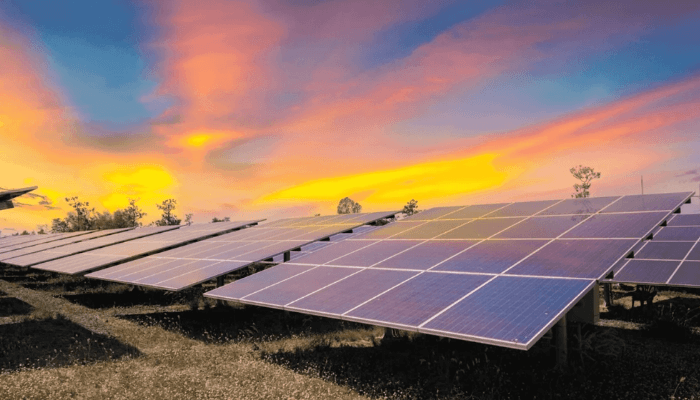
Nigeria’s growing demand for reliable electricity has significantly increased interest in renewable energy solutions. As grid instability continues to affect homes and businesses, solar energy systems have become a practical and scalable alternative. For importers, contractors, and distributors, solar panels import from China to Nigeria presents a strong commercial opportunity—if managed correctly.
China remains the world’s largest producer of solar photovoltaic (PV) modules, offering competitive pricing, broad product variety, and large-scale manufacturing capacity. However, successful importing requires careful supplier selection, compliance management, and efficient logistics planning.
This guide explains the process, requirements, and commercial considerations involved in importing solar panels from China into Nigeria.
Why Nigeria Sources Solar Panels from China
China dominates global solar panel production due to advanced manufacturing infrastructure and supply chain integration. Major Chinese manufacturers produce monocrystalline, polycrystalline, and bifacial panels at competitive costs while meeting international quality standards such as IEC and TUV certifications.
For Nigerian importers, sourcing from China offers:
-
Competitive pricing due to economies of scale
-
Access to Tier-1 manufacturers and OEM suppliers
-
A wide range of wattage capacities and technologies
-
Flexible minimum order quantities for distributors
However, cost advantages must be balanced with quality control and regulatory compliance to avoid delays or substandard products entering the Nigerian market.
Key Considerations Before Importing Solar Panels from China to Nigeria
1. Product Specifications and Quality Standards
Solar panels vary in efficiency, durability, and performance. Before placing an order, importers must confirm:
-
Wattage capacity (e.g., 450W, 550W, 600W modules)
-
Panel type (monocrystalline vs. polycrystalline)
-
Efficiency ratings
-
Warranty terms (typically 10–12 years product warranty, 25 years performance warranty)
-
IEC certification and relevant quality documentation
Nigeria’s climate—high temperatures, humidity, and dust—demands panels designed for durability. Ensuring compliance with international standards reduces long-term risk for distributors and project developers.
Wigmore Trading supports buyers in verifying supplier documentation and ensuring product specifications align with Nigerian market requirements.
2. SONCAP and Regulatory Requirements in Nigeria
All regulated products imported into Nigeria must comply with the Standards Organisation of Nigeria Conformity Assessment Programme (SONCAP).
For solar panels import from China to Nigeria, importers typically require:
-
Product Certificate (PC)
-
SONCAP Certificate (SC)
-
Form M registration
-
Pre-Arrival Assessment Report (PAAR)
-
Commercial invoice and packing list
-
Bill of Lading
Failure to obtain the correct certification can result in shipment delays, demurrage charges, or rejection at the port.
An experienced import partner can coordinate compliance documentation with accredited inspection bodies in China before shipment to prevent costly disruptions.
3. Customs Duties and Import Costs
Importers must account for:
-
Customs duty (based on HS code classification)
-
Value Added Tax (VAT)
-
Port handling charges
-
Freight costs (sea or air)
-
Clearing and forwarding fees
Solar panels may qualify for specific tariff considerations under renewable energy initiatives, but proper classification is essential to avoid penalties.
Accurate landed cost calculation determines final pricing strategy for wholesale distribution or project installation.
Logistics and Shipping from China to Nigeria
Solar panels are fragile and require proper packaging and container handling. Most shipments move via sea freight from major Chinese ports such as Shanghai, Ningbo, or Shenzhen to Nigerian ports like Apapa or Tin Can Island.
Shipping considerations include:
-
Full Container Load (FCL) vs. Less than Container Load (LCL)
-
Transit time (typically 30–45 days by sea)
-
Insurance coverage
-
Container inspection before loading
-
Pallet reinforcement and shock protection
Improper packaging can lead to micro-cracks in panels, reducing efficiency and lifespan.
Working with a logistics partner experienced in handling solar equipment ensures proper container loading supervision, documentation accuracy, and port clearance coordination.
Supplier Verification and Risk Management
The solar manufacturing sector in China includes both Tier-1 global brands and smaller factories. While lower prices may appear attractive, substandard panels can damage long-term business credibility.
Before committing to large orders, importers should:
-
Verify manufacturer credentials
-
Request factory audit reports
-
Confirm production capacity
-
Review export history
-
Conduct third-party inspections
A structured sourcing approach reduces risk of counterfeit certifications or inconsistent product quality.
Wigmore Trading assists businesses by conducting supplier due diligence, coordinating inspections, and managing purchase agreements to protect buyers.
Market Opportunities for Solar Panel Distribution in Nigeria
Nigeria’s energy deficit creates demand across multiple sectors:
-
Residential solar installations
-
Commercial and industrial (C&I) facilities
-
Agricultural irrigation systems
-
Telecom tower backup power
-
Government and NGO electrification projects
Importers can position themselves as wholesale distributors supplying installers, EPC contractors, and renewable energy developers.
However, market success depends on reliable supply chains, consistent product quality, and after-sales support.
By maintaining steady inventory and dependable logistics, distributors can build long-term relationships in a rapidly expanding renewable energy market.
Common Challenges in Solar Panels Import from China to Nigeria
Although demand for solar products in Nigeria continues to grow, importers must navigate several operational and regulatory hurdles. Understanding these challenges in advance allows businesses to plan effectively and avoid costly disruptions.
Regulatory Delays
Incomplete or incorrect SONCAP documentation is one of the most common causes of shipment delays. If the required Product Certificate (PC) or SONCAP Certificate (SC) is missing or improperly processed, goods may be held at Nigerian ports, leading to storage fees and extended clearance timelines.
Quality Inconsistencies
Not all suppliers operate at the same standard. Without proper verification, some manufacturers may substitute lower-grade materials or alter specifications to reduce production costs. This can affect panel efficiency, durability, and warranty validity, ultimately damaging a distributor’s reputation in the Nigerian market.
Foreign Exchange Constraints
Fluctuations in exchange rates can significantly impact landed costs. Since solar panels are typically purchased in US dollars, volatility in the naira can reduce profit margins if pricing strategies are not carefully structured.
Port Congestion
Delays at major Nigerian ports such as Apapa and Tin Can Island can increase demurrage and storage charges. Congestion also affects delivery timelines, which may disrupt installation projects and customer commitments.
While these risks are common in international trade, they can be managed through careful supplier selection, structured contracts, accurate documentation, and experienced freight coordination. Wigmore Trading supports businesses by overseeing procurement, compliance processes, shipping arrangements, and customs clearance—helping reduce operational uncertainty in solar panels import from China to Nigeria.
Building a Sustainable Solar Import Business
To establish a successful solar panels import from China to Nigeria operation, businesses should focus on:
Long-term supplier relationships rather than one-off transactions.
Clear compliance planning before shipment.
Accurate landed cost analysis to protect profit margins.
Reliable logistics coordination to avoid port delays.
After-sales technical support for customers.
The Nigerian renewable energy market is expected to continue expanding as businesses and households seek alternatives to unreliable grid supply. Importers who prioritize compliance, quality, and operational efficiency will be best positioned for sustained growth.
Conclusion
The opportunity for solar panels import from China to Nigeria is substantial, driven by rising energy demand and China’s strong manufacturing capacity. However, success requires more than competitive pricing. Importers must navigate regulatory compliance, supplier verification, logistics management, and market positioning.
With the right sourcing strategy and supply chain coordination, businesses can build profitable and sustainable solar distribution operations in Nigeria.
Wigmore Trading can help. Contact Wigmore Trading today to streamline your sourcing.






Comments are closed.