
Reliable Lithium Battery Import from China to Nigeria

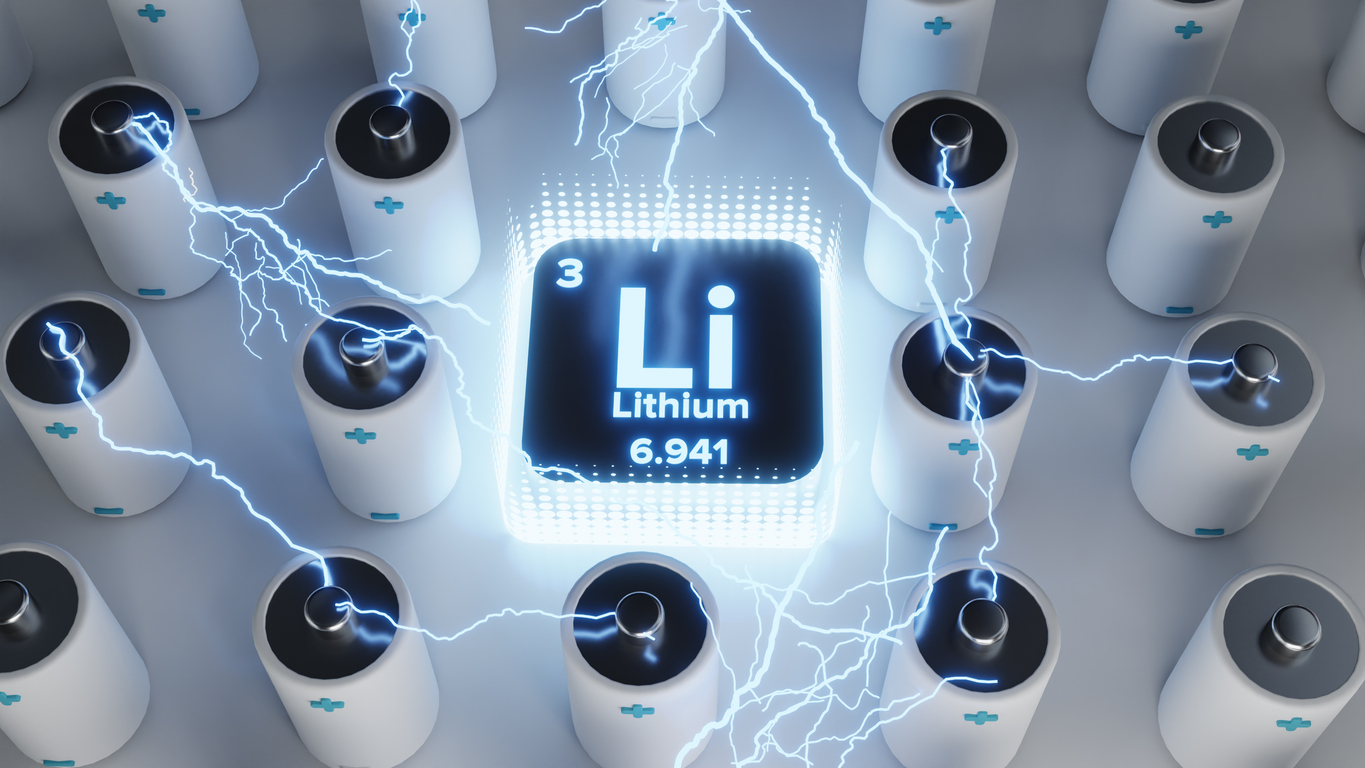
Importing lithium batteries from China to Nigeria is now central to many sectors – from solar and backup power to telecoms, e-mobility and consumer electronics. China remains the dominant manufacturing hub for lithium-ion batteries, but moving these products into Nigeria is far from a simple purchase-and-ship exercise. Lithium batteries are classified as dangerous goods and subject to strict safety, customs and quality requirements worldwide.
For Nigerian importers, distributors and project developers, understanding the full picture around lithium batteries import from China to Nigeria is essential to keeping costs under control and shipments compliant.
Understanding lithium batteries import from China to Nigeria
Most imports from China into Nigeria focus on lithium-ion batteries rather than lithium-metal types. Lithium-ion batteries are rechargeable and widely used in:
-
solar and inverter backup systems
-
telecoms base stations and towers
-
electric two- and three-wheelers
-
power tools and industrial equipment
-
laptops, phones and other electronics
International transport regulations classify lithium batteries as Class 9 dangerous goods because of their fire risk, especially during air transport. They are typically shipped under UN 3480 (lithium ion batteries), or UN 3481 when packed with or contained in equipment.
For Nigerian buyers, this means logistics providers, airlines and shipping lines will treat these consignments differently from standard electronics or FMCG cargo, with more documentation, packaging and routing rules to follow.
Regulatory requirements for lithium batteries import from China to Nigeria
When planning a lithium batteries import from China to Nigeria, the regulatory framework spans both international dangerous goods rules and Nigerian trade regulations.
On the international side, shippers must comply with:
-
UN Manual of Tests and Criteria, section 38.3 – batteries must pass a series of safety tests, documented in a Battery Test Summary.
-
IATA Dangerous Goods Regulations (for air freight) and the IMDG Code (for sea freight), which set out packaging, labelling, documentation and state-of-charge limits for lithium-ion batteries.
On the Nigerian side, importers typically need to address:
1. Product classification and HS codes
Lithium-ion accumulators generally fall under HS heading 8507 (for example 8507.60 for lithium-ion batteries), although exact coding depends on chemistry and application. Correct classification affects duty rates, documentation and any applicable restrictions.
2. Trade documentation and licensing
Standard Nigerian import procedures still apply, including opening Form M through an authorised dealer bank, securing a Proforma Invoice from the Chinese supplier, and obtaining a Pre-Arrival Assessment Report (PAAR) from Nigeria Customs. Supporting documents such as commercial invoice, bill of lading or air waybill, and packing list remain mandatory.
3. Standards and conformity assessment
Depending on the product type and end-use, the Standards Organisation of Nigeria (SON) may require SONCAP or related conformity assessment to ensure batteries meet safety and performance standards. Importers should verify whether their specific lithium battery models fall under any mandatory standards scheme and work with suppliers who can provide appropriate test reports and certifications.
4. Environmental and safety oversight
Authorities are increasingly focused on the environmental impact of batteries and the handling of end-of-life units. Importers should expect growing scrutiny around waste management, storage safety and recycling arrangements, especially for large-scale or repeated imports.
In practice, a compliant shipment of lithium batteries from China to Nigeria often requires a more extensive set of documents than ordinary electronics. At minimum, importers should be ready with:
-
Commercial invoice and detailed packing list
-
Battery Test Summary (UN 38.3)
-
Safety Data Sheet (SDS/MSDS)
-
Dangerous goods declaration where applicable
-
Evidence of conformity to relevant standards
-
Form M and PAAR, plus any licences if required
A specialist trade partner can help align all of these pieces so that the shipment clears Nigeria Customs efficiently and avoids costly delays or seizures.
Shipping and logistics for lithium batteries import from China to Nigeria
Because lithium batteries are dangerous goods, logistics planning is critical.
Air vs sea freight
Air freight is faster and often used for high-value, low-volume shipments or urgent project needs. However, air transport rules are significantly stricter: for example, lithium-ion cells shipped by themselves (not inside equipment) must usually be at a state of charge not exceeding 30% of rated capacity, and some lithium-metal batteries are outright prohibited on passenger aircraft.
Sea freight via container lines offers more flexibility for bulk volumes and may be the more cost-effective route for large battery packs used in solar farms or industrial backup systems, although dangerous goods surcharges and specific stowage requirements still apply.
Packaging and labelling
Lithium batteries must be packed in UN-approved outer packaging, with adequate inner packaging to protect individual cells and prevent movement or short circuit. Terminals are typically insulated, and each package must carry the correct Class 9 labels, UN numbers and any additional marks required by the carrier.
Improper packaging is one of the most common reasons carriers reject battery cargo, so working with experienced consolidators and freight forwarders is vital.
INCOTERMS and responsibility split
For lithium batteries import from China to Nigeria, INCOTERMS such as FOB, CIF or DAP are widely used. Importers should be clear about who is responsible for:
-
dangerous goods packing and labelling at origin
-
dangerous goods documentation and shipper’s declaration
-
insurance that explicitly covers dangerous goods
Negotiating these points upfront with Chinese suppliers and logistics partners can prevent disputes and unexpected costs once the cargo arrives in Lagos or any other Nigerian port or airport.
Managing risk, quality and supplier selection in China
Beyond compliance and freight, the biggest commercial risks lie in product quality and authenticity.
Chinese battery manufacturing ranges from world-class factories producing cells for global brands to small workshops repacking used or low-grade cells. Importers should:
-
vet suppliers carefully, checking company registration, production capacity and export history
-
request independent certifications (for example IEC 62133, ISO 9001) alongside UN 38.3 test reports
-
insist on clear labelling of cell origin, capacity, cycle life and warranty terms
-
consider pre-shipment inspection and testing of sample batteries before mass production
For critical applications such as telecoms, data centres or utility-scale renewable projects, it is often worth engaging third-party labs or consultants to validate performance claims rather than relying solely on supplier datasheets.
How Wigmore Trading supports lithium batteries import from China to Nigeria
Navigating all of these steps internally can strain a company’s resources, especially if lithium batteries are only one part of a broader product portfolio. This is where a specialist import/export partner adds real value.
Wigmore Trading is a Nigerian-based importer, exporter and logistics provider with a strong focus on FMCG, wholesale distribution and international trade into and out of Nigeria.
For businesses planning a lithium batteries import from China to Nigeria, Wigmore Trading can:
-
assist with sourcing reputable battery manufacturers in China through its global supplier network
-
manage Nigerian trade formalities, including import licences, regulatory documentation and interaction with authorities on behalf of clients
-
coordinate dangerous-goods-compliant air and sea freight into Nigeria, drawing on its established air and maritime clearance operations
-
integrate clearance with nationwide distribution, warehousing and last-mile delivery to wholesalers, retailers or project sites
For buyers in the Nigerian diaspora or international investors supplying projects in Nigeria, Wigmore Trading’s trade portal and advisory services make it easier to manage sourcing, shipping and local compliance from abroad.
Conclusion
Lithium batteries import from China to Nigeria offers huge opportunities across power, telecoms, mobility and consumer markets – but success depends on more than finding the lowest unit price. Importers must understand dangerous goods regulations, Nigerian customs and standards requirements, realistic logistics options and the quality profile of each supplier.
By combining careful supplier selection with robust documentation, compliant packaging and the support of an experienced local trade partner, Nigerian businesses can secure reliable battery supply, minimise disruption and protect both people and assets.
Wigmore Trading can help. Contact Wigmore Trading today to streamline your sourcing, logistics and regulatory compliance for lithium battery imports into Nigeria.






Comments are closed.