
How to Successfully Manage Industrial Hoses Import from China to Nigeria

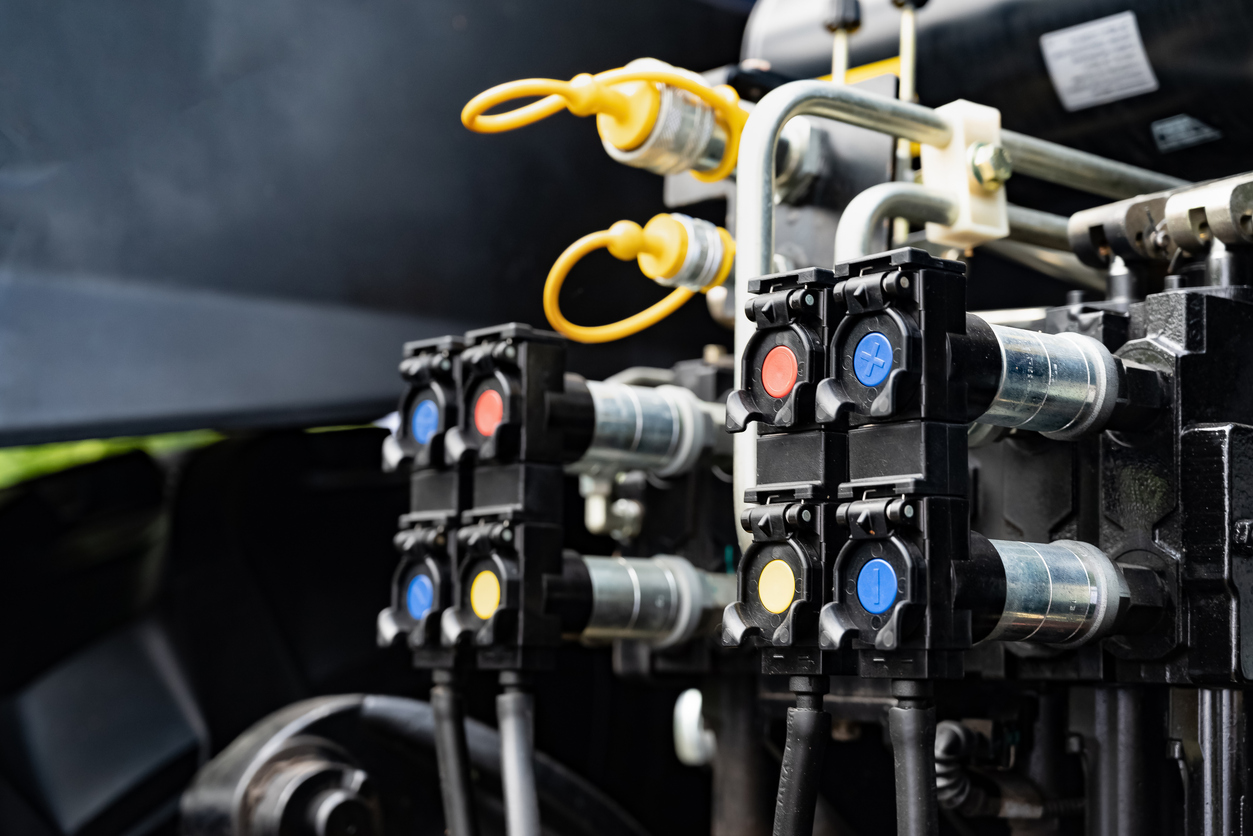
Industrial hoses are essential components across sectors such as oil and gas, construction, agriculture, manufacturing, and FMCG processing. As demand for reliable fluid and material transfer systems grows, many Nigerian businesses are turning to Asia for cost-effective sourcing.
This guide explains the key considerations for industrial hoses import from China to Nigeria, covering product selection, compliance, logistics, and supply chain management.
Why Industrial Hoses Import from China to Nigeria Is Increasing
China is one of the world’s largest manufacturers of industrial hoses, producing a wide range of products including:
-
Hydraulic hoses
-
PVC hoses
-
Rubber air and water hoses
-
Oil and fuel hoses
-
Food-grade hoses
-
Chemical-resistant hoses
-
Layflat and suction hoses
For Nigerian importers, the advantages often include competitive pricing, large production capacity, customization options, and access to international quality standards.
However, while cost savings are attractive, successful industrial hoses import from China to Nigeria requires careful planning to avoid quality, regulatory, and logistics risks.
Understanding Product Specifications for Industrial Hoses Import from China to Nigeria
Industrial hoses are highly application-specific. Selecting the wrong type can lead to equipment failure, operational downtime, or safety risks.
Key technical specifications to evaluate include:
-
Inner diameter and outer diameter
-
Pressure rating (working and burst pressure)
-
Temperature resistance
-
Reinforcement material (steel wire, textile braid, spiral, etc.)
-
Compatibility with conveyed material (oil, chemicals, food, water)
-
Compliance with international standards (ISO, SAE, DIN, FDA where applicable)
For example, hydraulic hoses used in construction machinery require different pressure tolerances than food-grade hoses used in beverage production. Importers must align specifications with end-user requirements before placing orders.
Working with an experienced sourcing partner such as Wigmore Trading can help ensure product specifications match operational needs and Nigerian market standards.
Quality Control in Industrial Hoses Import from China to Nigeria
Quality inconsistencies are one of the biggest risks when importing industrial components.
Common challenges include:
-
Substandard rubber compounds
-
Inconsistent wall thickness
-
Incorrect pressure ratings
-
Weak fittings and couplings
-
Poor reinforcement layering
To mitigate these risks, businesses should implement:
-
Supplier due diligence
-
Factory audits
-
Pre-shipment inspections
-
Sample testing before bulk production
Wigmore Trading supports businesses by verifying manufacturers, conducting inspections, and coordinating third-party testing where required. This reduces the risk of receiving non-compliant or defective shipments.
Regulatory and Compliance Considerations in Nigeria
Industrial hoses imported into Nigeria must comply with local import regulations and standards. Depending on the application, this may include:
-
SON (Standards Organisation of Nigeria) requirements
-
Product conformity assessment documentation
-
Customs documentation and HS code classification
-
NAFDAC approvals (for food-grade or beverage-related hoses)
Incorrect classification or missing documentation can result in customs delays, penalties, or cargo seizure.
A structured compliance process is essential for smooth industrial hoses import from China to Nigeria. Wigmore Trading assists with documentation management, regulatory coordination, and customs clearance to ensure shipments move efficiently through Nigerian ports.
Logistics and Freight Planning for Industrial Hoses Import from China to Nigeria
Industrial hoses are typically shipped via sea freight due to their bulk and weight. Packaging methods vary depending on hose type:
-
Coiled and wrapped bundles
-
Reels or spools
-
Palletized cartons
Importers must consider:
-
Container load optimization
-
Freight costs (FCL vs LCL)
-
Port handling charges
-
Inland transportation to warehouses or project sites
Lead times can range from 4–8 weeks depending on production schedules and shipping routes. Delays can disrupt construction projects, factory operations, or distribution commitments.
Wigmore Trading coordinates end-to-end logistics, including freight booking, shipment tracking, port clearance, and inland delivery, helping businesses maintain predictable supply chains.
Managing Supply Chain Risks in Industrial Hoses Import from China to Nigeria
Global supply chains are subject to currency fluctuations, shipping disruptions, and raw material price volatility. Rubber and petroleum-based inputs can experience sudden cost increases.
To reduce exposure, Nigerian importers can:
-
Negotiate fixed-price contracts where possible
-
Maintain safety stock for critical projects
-
Diversify supplier base
-
Forecast demand accurately
Partnering with an established import and distribution company provides additional resilience. Wigmore Trading works with trusted suppliers and maintains structured procurement processes to ensure continuity of supply.
Distribution Opportunities in Nigeria
Demand for industrial hoses in Nigeria spans multiple sectors:
-
Oil and gas servicing
-
Construction and infrastructure projects
-
Agricultural irrigation systems
-
Manufacturing plants
-
FMCG processing facilities
Importers who establish reliable supply chains can position themselves as long-term distributors to contractors, industrial operators, and wholesale buyers.
By combining sourcing expertise with logistics coordination and local market knowledge, Wigmore Trading supports businesses looking to scale distribution of industrial products across Nigeria.
Conclusion
Industrial hoses are mission-critical components across many industries. While China offers competitive manufacturing options, successful industrial hoses import from China to Nigeria depends on proper specification, quality assurance, regulatory compliance, and structured logistics planning.
Businesses that take a disciplined approach to supplier selection, inspection, and freight coordination are better positioned to protect margins and maintain operational reliability.
Wigmore Trading can help. Contact Wigmore Trading today to streamline your sourcing.






Comments are closed.