

How to Successfully Import Tyres Wholesale from China to Nigeria

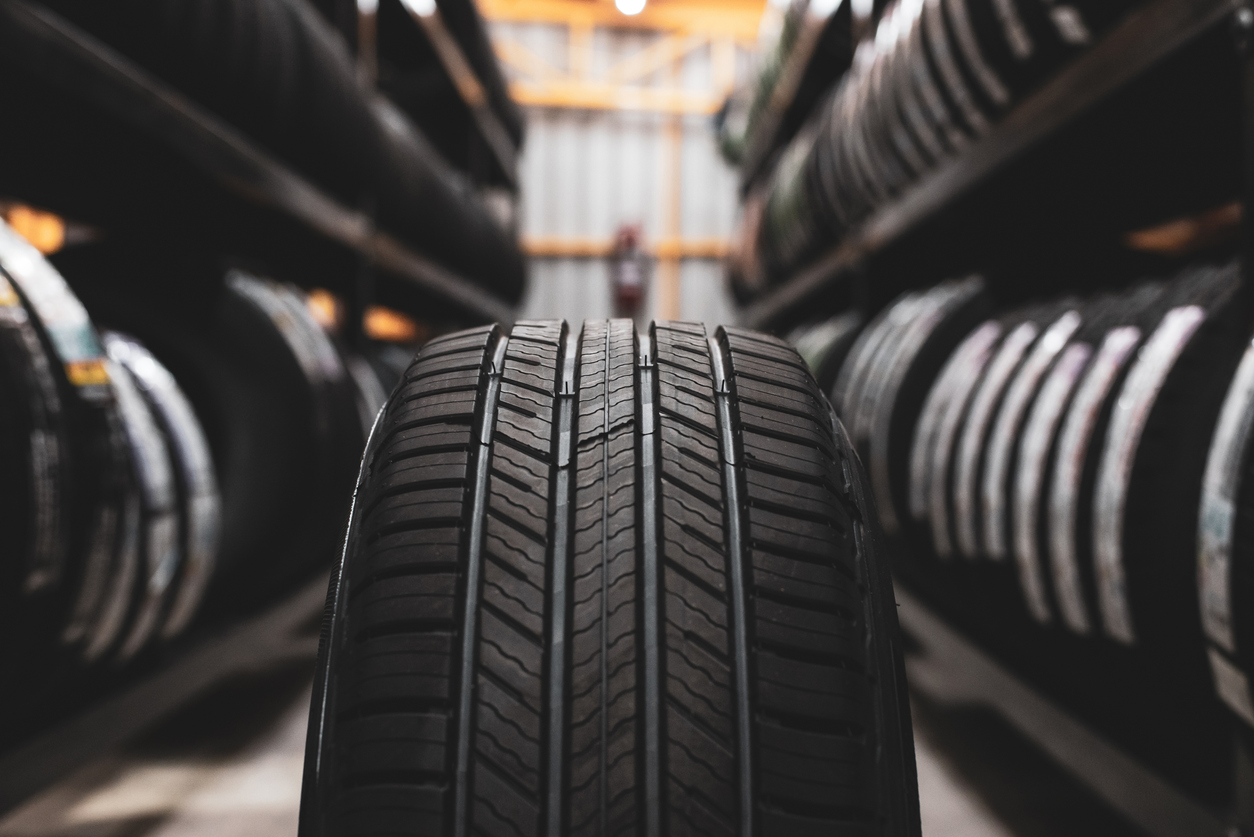
Nigeria’s automotive market continues to expand, driven by a growing population, increased vehicle ownership, and strong demand for commercial transport. As a result, tyres wholesale from China to Nigeria has become a significant trade route for importers seeking competitive pricing, wide product variety, and reliable supply.
For distributors, fleet operators, and wholesalers, understanding how to source tyres efficiently from China while managing logistics, compliance, and quality control is essential. This guide outlines the key considerations and how structured supply chain support can improve results.
Why Import Tyres Wholesale from China to Nigeria?
China is one of the world’s largest tyre manufacturers, producing a broad range of products including passenger car tyres, truck and bus radial (TBR) tyres, off-the-road (OTR) tyres, and industrial tyres.
Importing tyres wholesale from China to Nigeria offers several advantages:
-
Competitive factory pricing due to large-scale production
-
Wide selection of brands across budget, mid-range, and premium segments
-
Access to international certifications such as DOT, ECE, and ISO
-
Flexible private label manufacturing options
For Nigerian wholesalers, sourcing directly from Chinese manufacturers can significantly improve margins compared to buying through intermediaries.
However, lower pricing must be balanced with proper supplier vetting and compliance management.
Key Considerations When Sourcing Tyres Wholesale from China to Nigeria
1. Quality Standards and Certification
Tyres are safety-critical products. Importers must ensure that products meet Nigerian regulatory requirements and international safety standards. This includes:
-
SONCAP certification (Standards Organisation of Nigeria Conformity Assessment Programme)
-
Pre-shipment inspection
-
Proper labelling and documentation
Working with experienced sourcing and inspection partners helps ensure that shipments comply before leaving the port of origin.
2. Selecting the Right Tyre Category
Nigeria’s road conditions and climate influence tyre demand. Popular segments include:
-
Passenger car radial tyres for urban mobility
-
Commercial truck tyres for logistics and haulage
-
Agricultural and OTR tyres for construction and mining
Wholesale buyers must align their orders with local demand patterns and seasonal factors. Bulk procurement planning also helps reduce per-unit shipping costs.
3. Minimum Order Quantities (MOQs)
Most Chinese manufacturers operate with container-based MOQs. A standard 40-foot container can carry a significant volume depending on tyre size.
Importers should calculate:
-
Total landed cost per tyre
-
Shipping and freight charges
-
Port handling and customs clearance costs
-
Import duties and taxes
Careful cost modelling ensures profitability before confirming orders.
Logistics and Shipping for Tyres Wholesale from China to Nigeria
Shipping tyres from China to Nigeria is typically handled via sea freight. Major Chinese ports such as Qingdao, Shanghai, and Ningbo serve as key export hubs for tyre manufacturers.
On arrival in Nigeria, Lagos ports (Apapa or Tin Can Island) are the primary entry points.
Key logistics considerations include:
-
Full container load (FCL) vs consolidated shipping
-
Freight rate fluctuations
-
Customs documentation accuracy
-
Port congestion and clearance timelines
Delays at any stage can increase demurrage costs and disrupt supply chains. Coordinated freight forwarding and customs brokerage are therefore essential.
Wigmore Trading supports businesses by managing end-to-end logistics coordination, ensuring documentation compliance, and facilitating smooth customs clearance to reduce risk and delays.
Managing Risk in Tyre Importation
Importing tyres wholesale from China to Nigeria carries certain commercial risks, including:
-
Supplier reliability issues
-
Inconsistent product quality
-
Currency fluctuations
-
Regulatory changes
Mitigating these risks requires structured procurement processes:
-
Factory audits and background verification
-
Third-party quality inspections
-
Clear contractual agreements
-
Payment risk management
Establishing long-term relationships with verified manufacturers improves consistency and stability in supply.
Distribution Strategy Within Nigeria
Once tyres arrive in Nigeria, distribution efficiency determines overall profitability.
Wholesalers must consider:
-
Warehouse capacity and storage conditions
-
Inventory turnover rates
-
Regional demand across states
-
Partnerships with retailers and fleet operators
An efficient distribution network ensures that stock moves quickly and capital is not tied up unnecessarily.
Wigmore Trading works with importers and distributors to optimise supply chain planning, storage solutions, and last-mile distribution strategies, helping businesses maintain steady inventory flow.
Market Trends in Nigeria’s Tyre Sector
Demand in Nigeria is influenced by:
-
Growth in ride-hailing and transport services
-
Expansion of construction and infrastructure projects
-
Increased importation of used vehicles
-
Rising logistics and haulage activity
Price-sensitive consumers often favour mid-range and value brands, creating opportunities for wholesalers who can balance affordability with safety and durability.
Understanding these trends allows importers to select the right product mix when sourcing tyres wholesale from China to Nigeria.
Conclusion
Importing tyres wholesale from China to Nigeria offers strong commercial opportunities for wholesalers and distributors, provided that sourcing, compliance, and logistics are handled correctly. Quality assurance, cost analysis, and efficient freight management are critical to maintaining profitability and protecting brand reputation.
With the right procurement strategy and reliable supply chain coordination, businesses can build sustainable tyre distribution operations in Nigeria’s growing automotive market.
Wigmore Trading can help. Contact Wigmore Trading today to streamline your sourcing.





Comments are closed.