

How to Navigate the Wholesale China Market for Nigeria Importers

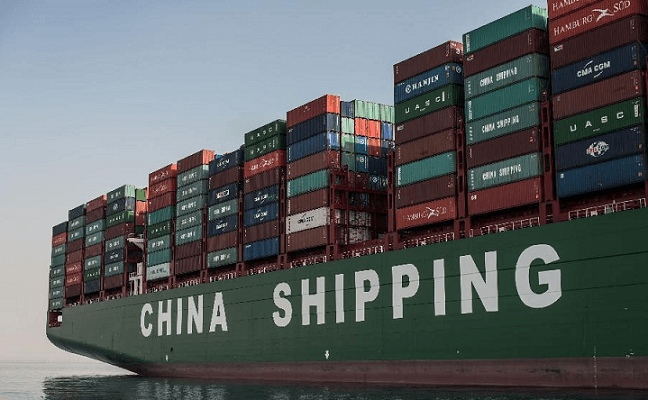
Doing business with China is now a core strategy for many Nigerian traders. From FMCG and household goods to electronics and building materials, the right China supplier can significantly improve margins and product range. But navigating the wholesale China market for Nigeria importers is not just about finding the lowest price – it’s about reliability, compliance, and logistics efficiency.
Why the wholesale China market matters for Nigeria importers
For Nigerian importers, China offers:
-
Wide product variety: From branded FMCG to generic household items and niche industrial parts.
-
Competitive pricing: Economies of scale and mature manufacturing clusters.
-
Speed to market: Frequent sailings and flights into key Nigerian ports.
These advantages are especially valuable in sectors such as supermarkets, distributors, informal retail, and B2B wholesale where margins can be tight. Working with partners like Wigmore Trading helps importers align product selection, volumes, and shipping models with local market demand.
Understanding the wholesale china market for nigeria importers
For Nigeria-focused businesses, “China market” usually means a network of:
-
Wholesale hubs like Yiwu, Guangzhou, Shenzhen and Foshan
-
Specialised trading companies that aggregate products from multiple factories
-
Manufacturers offering OEM/white-label production
Key considerations for Nigerian importers include:
-
Minimum Order Quantities (MOQs): Balancing container space with cash-flow.
-
Payment terms: T/T, letters of credit, and escrow options.
-
Quality tiers: Same product description can vary widely in specification and durability.
Wigmore Trading supports importers by performing supplier due diligence, clarifying specifications, and ensuring that what is ordered is what arrives.
Choosing the right product categories to import from China
Not every product category is suitable for every importer. When using the wholesale China market for Nigeria importers, it helps to focus on:
-
Fast-moving consumer goods (FMCG): Household cleaning products, toiletries, packaged foods (subject to NAFDAC approval).
-
Groceries and beverages: Private-label lines that offer higher margins and brand flexibility.
-
Home and kitchen items: Cookware, plastics, small appliances, and décor.
-
Electronics and accessories: Phones accessories, small gadgets, power banks – but with careful attention to quality and safety.
-
Building materials and hardware: Tools, fixtures, electrical fittings.
Wigmore Trading can help analyse local demand, sales velocity, and price sensitivity so that your imported product mix supports sustainable growth rather than tying up cash in slow-moving stock.
Managing risk in the wholesale China market for Nigeria importers
Working across borders introduces risk, but good processes can reduce it significantly:
-
Supplier verification: Check registration, factory audits, and trade history instead of relying solely on online listings.
-
Samples and pre-shipment inspections: Confirm quality and packaging before mass production and loading.
-
Clear specifications: Detailed descriptions, materials, packaging standards, and labelling requirements in the purchase order.
-
Contracting and Incoterms: Understanding FOB, CIF, and EXW to know who is responsible for freight, insurance, and risk at each stage.
Wigmore Trading often acts as a sourcing and quality partner, coordinating sampling, inspections, and shipment consolidation so Nigerian importers receive goods that match their expectations.
Logistics and customs from China to Nigeria
Even the best deal can be lost to poor logistics planning. For Nigeria importers, key logistics decisions include:
-
Sea freight vs air freight: Full container load (FCL) and less-than-container load (LCL) options compared with express air for urgent or high-value goods.
-
Transit routes and lead times: Typical sailing times from major Chinese ports to Lagos or other West African ports.
-
Documentation: Commercial invoices, packing lists, bill of lading, certificates of origin, and product-specific certificates.
-
Port handling and inland distribution: Clearing procedures, trucking to warehouses, and last-mile distribution to wholesalers or retail outlets.
Wigmore Trading provides end-to-end support, from freight booking and container consolidation in China to customs clearance and warehousing in Nigeria, helping importers avoid delays and unexpected charges.
Compliance, standards, and Nigerian regulations
Importing into Nigeria involves more than shipping and invoices. Some product categories may require:
-
NAFDAC registration for foods, beverages, and pharmaceuticals.
-
SONCAP (Standards Organisation of Nigeria Conformity Assessment Programme) for regulated products.
-
Labelling requirements: English labelling, expiry dates, batch codes, and country of origin.
These steps take time and coordination with suppliers. Wigmore Trading can help structure timelines, gather required documents, and work with certified inspection agencies so that shipments comply with Nigerian regulations and are released smoothly.
How Wigmore Trading supports Nigeria importers using the wholesale China market
Wigmore Trading’s role is to make China-to-Nigeria trade more predictable and sustainable for importers by supporting:
-
Product and supplier sourcing based on your target segment and budget
-
Price negotiation and contract structuring with reputable partners
-
Quality control, inspections, and consolidation before loading
-
Freight, customs clearance, and warehousing in Nigeria
-
Ongoing supply chain optimisation as your volumes grow
By combining local knowledge in Nigeria with on-the-ground capabilities in China through trusted partners, Wigmore Trading helps importers focus on sales and customer relationships rather than chasing containers and resolving disputes.
Conclusion: Building a sustainable China Nigeria import strategy
The wholesale China market for Nigeria importers offers huge potential, but success depends on more than just finding cheap products online. Careful supplier selection, robust quality control, realistic logistics planning, and strict compliance with Nigerian regulations are essential.
Working with a partner who understands both China and Nigeria can turn one-off purchases into a stable, long-term supply chain.
Wigmore Trading can help.
Contact Wigmore Trading today to streamline your sourcing.





Comments are closed.