
B2B Debt Recovery in Nigeria: Practical Guide for Suppliers and Traders

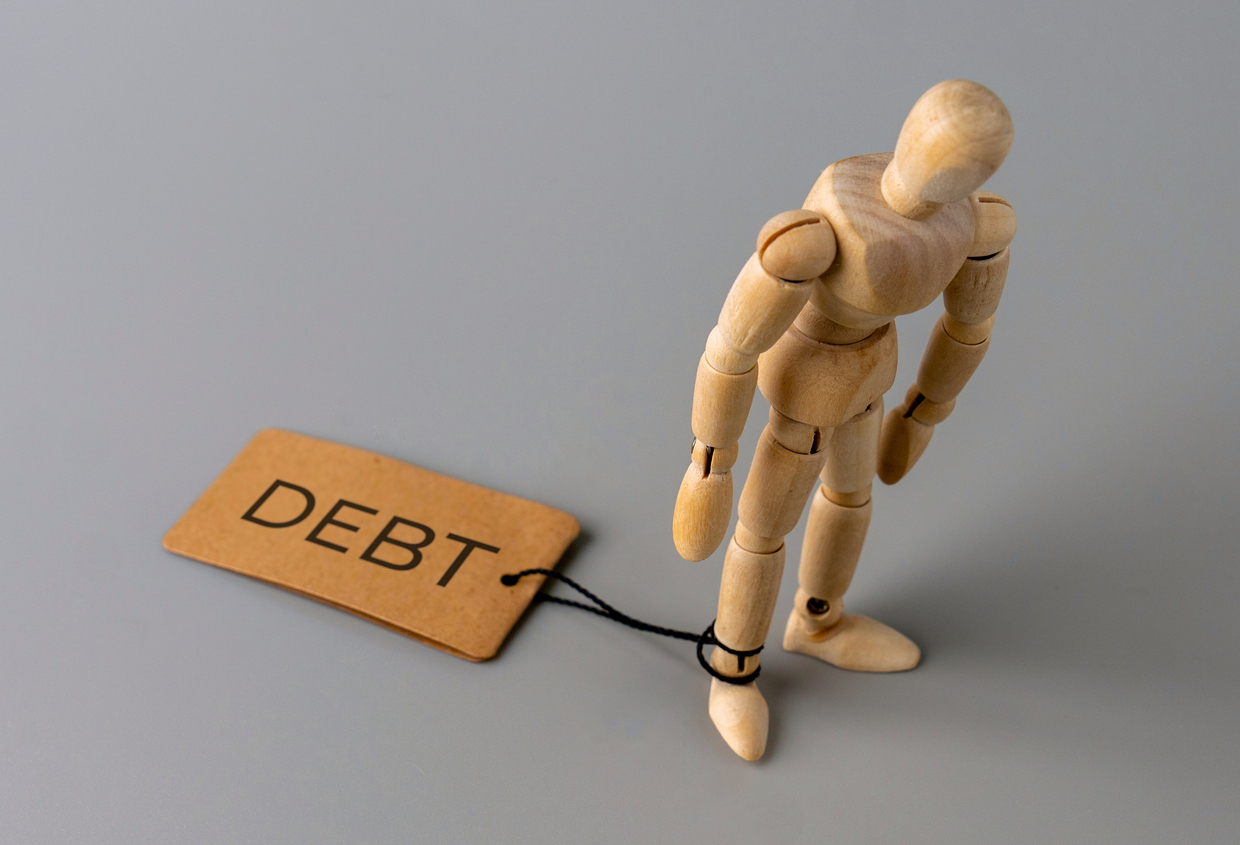
For companies trading into or within Nigeria, late payments and unpaid invoices can quickly erode margins. B2B debt recovery in Nigeria is not just a legal exercise – it is a strategic part of managing risk in import/export, wholesale distribution, FMCG and logistics.
This guide explains how B2B debt recovery works in Nigeria, the options available to creditors, and how a partner like Wigmore Trading can help reduce exposure before problems arise.
Understanding B2B debt recovery in Nigeria
B2B debt recovery in Nigeria refers to the processes businesses use to collect unpaid amounts from other companies – typically overdue invoices, credit sales, or contract balances.
In sectors like FMCG, wholesale and logistics, trade is often done on open account or with extended payment terms. This creates three common challenges:
-
High volume, low-margin transactions – even small defaults can wipe out profit.
-
Complex cross-border trade – multiple jurisdictions, currencies and shipping terms.
-
Credit risk concentration – a few large buyers can represent a big share of receivables.
Effective B2B debt recovery in Nigeria combines commercial negotiation, clear documentation, and, where needed, legal action under Nigerian law.
Key legal and commercial frameworks for B2B debt recovery
While every case is different, several elements influence B2B debt recovery in Nigeria:
-
Contracts and payment terms
Written contracts, purchase orders and invoices that clearly state currency, payment terms, interest on late payment, and dispute resolution forum are essential. Poorly drafted terms weaken a creditor’s position. -
Security arrangements
Where possible, suppliers may use guarantees, letters of credit, or retention of title clauses. These do not eliminate risk, but they improve leverage during recovery. -
Nigerian legal environment
Creditors may use demand letters, negotiation, mediation, arbitration or court action depending on the debt size, documentation quality and commercial relationship. For cross-border debts, jurisdiction and enforcement of foreign judgments/arbitral awards must be considered.
Wigmore Trading, operating across African markets, understands these practicalities and can help structure trade and distribution agreements with debt recovery in mind, not as an afterthought.
Common causes of overdue B2B debt in Nigeria
In practice, many B2B debt recovery issues arise from predictable causes:
-
Cash flow pressure on distributors and retailers – especially in FMCG and wholesale where inventory turns and working capital are tight.
-
Currency volatility – exchange rate movements affect importers’ ability to pay foreign suppliers on time.
-
Supply chain disruptions – delays at ports, customs issues or transport challenges can lead to disputes over delivery and payment.
-
Ambiguous delivery and quality terms – unclear Incoterms, quality standards or acceptance procedures can trigger non-payment claims.
Identifying the root cause early helps shape the right B2B debt recovery strategy in Nigeria – whether cooperative restructuring of terms or firmer enforcement.
Practical steps for B2B debt recovery in Nigeria
A structured approach reduces both recovery time and relationship damage:
-
Internal review and documentation
Confirm the outstanding balance, supporting documents (contracts, POs, invoices, delivery notes, proof of export/import), and any previous correspondence. Incomplete records weaken your position. -
Formal reminder and statement of account
Start with clear written reminders and a reconciled statement of account. Many disputes begin with misunderstandings about applied payments, deductions or returns. -
Commercial negotiation
Engage the debtor professionally to understand their constraints. Options may include staged repayment plans, partial settlements, or short-term credit restructuring. For long-term trading partners in Nigeria, preserving the relationship may be as important as full recovery. -
Engaging local experts
For persistent non-payment, using a partner familiar with B2B debt recovery in Nigeria – such as a local collections specialist, law firm or trading intermediary – can increase pressure while ensuring compliance with local regulations and cultural norms. -
Formal legal steps
Where documentation is strong and negotiation fails, creditors may instruct local counsel to issue a demand letter, initiate mediation/arbitration (if contractually agreed), or file a claim in court. The decision should weigh expected recovery, timelines, costs and reputational impact.
Wigmore Trading can assist at multiple stages: helping suppliers assess credit risk, structuring payment terms, and coordinating with local professionals when more formal recovery action is required.
Reducing the need for B2B debt recovery in Nigeria
The most cost-effective debt recovery strategy is prevention. Exporters and regional wholesalers can significantly reduce bad debt by:
-
Screening counterparties – basic due diligence on Nigerian buyers’ reputation, trading history and financial strength.
-
Using structured payment terms – such as deposits, letters of credit, bank guarantees, or shorter credit periods for new customers.
-
Aligning logistics and payment milestones – tying payment stages to shipment, arrival, or delivery confirmation reduces disputes.
-
Clarifying service levels and responsibilities – especially in logistics and distribution contracts, where delays or damage can trigger non-payment.
-
Monitoring receivables closely – early engagement when invoices slip beyond terms often prevents full default.
As a trading and logistics partner, Wigmore Trading supports clients with market insight, due diligence on local partners, and practical structuring of supply contracts to minimise the need for aggressive B2B debt recovery in Nigeria.
How Wigmore Trading supports sustainable B2B trade
Wigmore Trading’s role goes beyond moving goods. By combining sourcing, distribution and logistics capabilities with local market knowledge, Wigmore Trading helps:
-
Design credit and payment structures better suited to Nigerian market realities.
-
Coordinate documentation and shipment flows to reduce disputes about delivery or quality.
-
Connect clients with trusted local professionals when formal B2B debt recovery in Nigeria becomes necessary.
The result is a more resilient supply chain where credit risk is managed proactively and business relationships can be maintained even when payment challenges arise.
Conclusion: Treat B2B debt recovery as part of risk management
For companies trading with Nigerian partners, B2B debt recovery in Nigeria should be seen as part of a broader risk management strategy. Clear contracts, disciplined credit control, and timely engagement with local experts all increase the likelihood of recovering overdue amounts while preserving long-term commercial relationships.
When these elements are in place, businesses can focus on growth rather than chasing unpaid invoices.
Wigmore Trading can help. If you are looking to strengthen your Nigerian receivables, improve payment terms, or structure more secure trade flows, contact Wigmore Trading today to streamline your sourcing and distribution.






Comments are closed.