
The Importance of Maritime AIS Risk Consulting in Modern Shipping

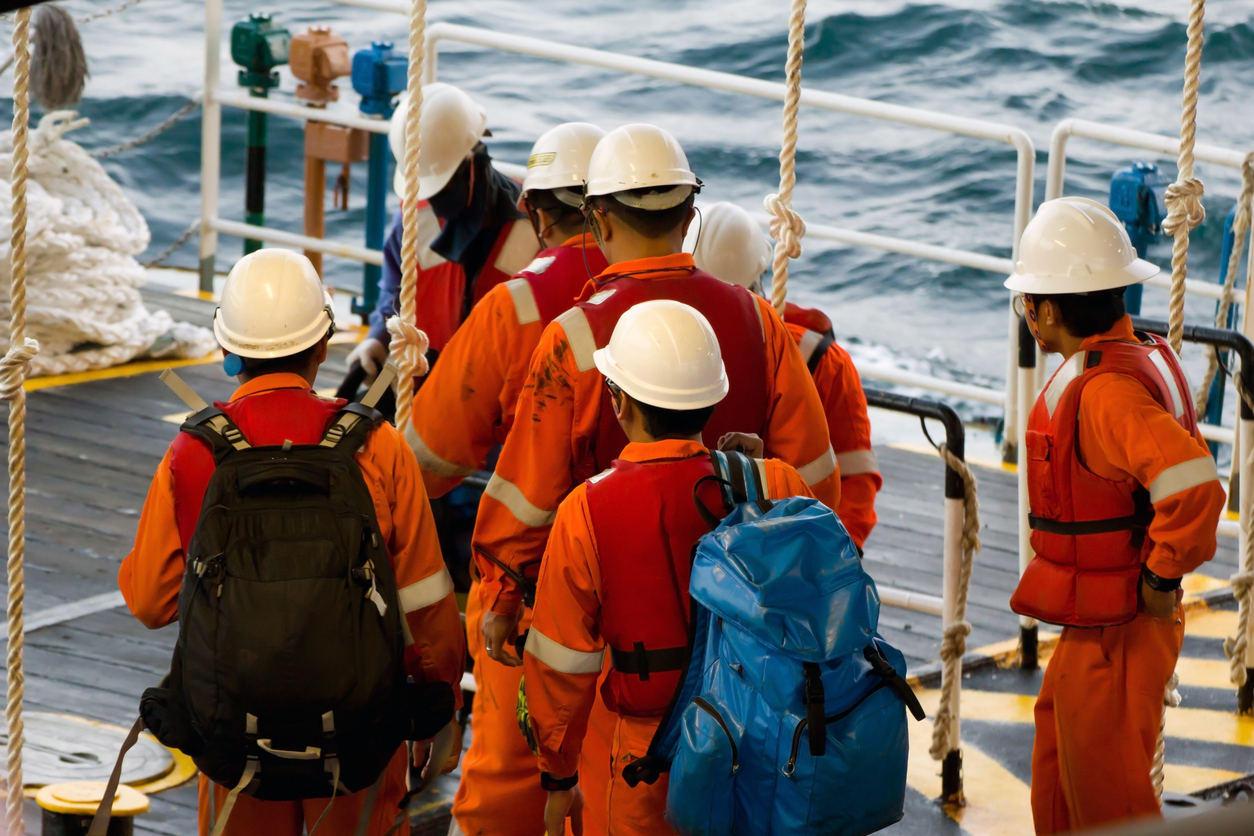
Maritime trade relies heavily on accurate vessel tracking and transparent movement across international waters. One of the most important technologies supporting this visibility is the Automatic Identification System (AIS). However, AIS data can be manipulated, disabled, or misinterpreted, creating risks for shipping companies, insurers, regulators, and cargo owners. This is where maritime AIS risk consulting becomes essential.
Maritime AIS risk consulting helps businesses interpret vessel tracking data, identify suspicious activity, and manage risks related to cargo movement, sanctions compliance, and maritime security. For companies operating across global supply chains—especially in complex trade environments such as Africa—specialist consulting can help prevent disruptions, compliance violations, and financial losses.
Understanding AIS and Its Role in Maritime Operations
AIS is a vessel tracking system used by ships and maritime authorities to identify and locate vessels. It transmits key information including:
-
Vessel identity
-
Position and course
-
Speed and heading
-
Voyage information
Originally developed to prevent collisions at sea, AIS has become a vital tool for monitoring global trade routes, port activity, and cargo movement.
However, AIS data alone does not always provide a complete or reliable picture. Ships may intentionally disable their AIS transmitters, spoof their location, or transmit inaccurate information. Without proper analysis, these risks can go unnoticed.
Why Businesses Need Maritime AIS Risk Consulting
Companies involved in international shipping, commodity trading, and logistics face increasing pressure to monitor vessel activity closely. Maritime AIS risk consulting helps organizations understand vessel behavior and identify potential threats within their supply chains.
Common risks that consultants help identify include:
AIS manipulation or spoofing
Some vessels transmit false location data to conceal activity such as unauthorized port calls or sanctions violations.
AIS dark activity
Ships may turn off AIS transponders to hide movements in restricted areas or sanctioned regions.
Sanctions and compliance exposure
Many global trade regulations require businesses to ensure their cargo is not transported by vessels involved in illicit activities.
Cargo diversion and fraud
Irregular vessel movements or route deviations may indicate cargo diversion or fraudulent activity.
Through expert analysis of AIS patterns, maritime consultants can detect irregularities that might otherwise remain hidden.
How Maritime AIS Risk Consulting Supports Supply Chain Security
For importers, exporters, and distributors, vessel risk is directly linked to supply chain reliability. Maritime AIS risk consulting strengthens operational security by providing deeper insights into shipping routes and vessel behavior.
Consultants typically provide services such as:
-
Vessel risk profiling
-
Route monitoring and anomaly detection
-
Sanctions screening
-
Cargo tracking validation
-
Risk reporting for insurers and traders
These services help companies make informed decisions when selecting carriers, planning shipping routes, or managing sensitive cargo shipments.
Businesses operating across emerging markets—where port infrastructure and regulatory oversight may vary—particularly benefit from improved vessel monitoring.
Maritime Risk Management in African Trade
Africa plays an increasingly important role in global maritime trade, particularly in sectors such as energy, agriculture, and consumer goods. However, maritime risks in some regions include limited vessel transparency, cargo diversion risks, and evolving compliance regulations.
Companies sourcing or distributing goods in Africa must ensure that vessels transporting their cargo meet international compliance standards.
Organizations like Wigmore Trading, which manage sourcing, distribution, and logistics across African markets, often rely on strong risk management practices when coordinating shipments. By combining logistics expertise with vessel monitoring and compliance awareness, businesses can reduce exposure to maritime risks while maintaining efficient supply chains.
Integrating AIS Data with Logistics and Trade Operations
While AIS tracking provides valuable insights, it becomes most effective when integrated into broader logistics and supply chain management processes.
Companies that combine maritime AIS risk consulting with operational planning gain a clearer view of how cargo moves through the global shipping network. This approach can help:
-
Prevent delays caused by high-risk vessels
-
Improve compliance with international shipping regulations
-
Strengthen due diligence when selecting shipping partners
-
Protect high-value or sensitive cargo shipments
For businesses involved in wholesale distribution, import/export, and commodity trading, proactive vessel risk monitoring is becoming a standard part of responsible trade operations.
Conclusion
As global maritime trade becomes more complex, the risks associated with vessel tracking and shipping compliance are increasing. Maritime AIS risk consulting provides the expertise needed to interpret vessel data, detect suspicious activity, and protect supply chains from disruption.
By improving visibility into vessel movements and identifying potential risks early, businesses can safeguard cargo shipments and maintain compliance with international trade regulations.
Companies operating in international markets—particularly those navigating African supply chains—benefit from combining vessel risk insights with strong logistics and sourcing support.
Wigmore Trading can help. Contact Wigmore Trading today to streamline your sourcing and supply chain operations.






Comments are closed.