

Sesame Seed Cleaning and Export in Nigeria: What Exporters Need to Get Right

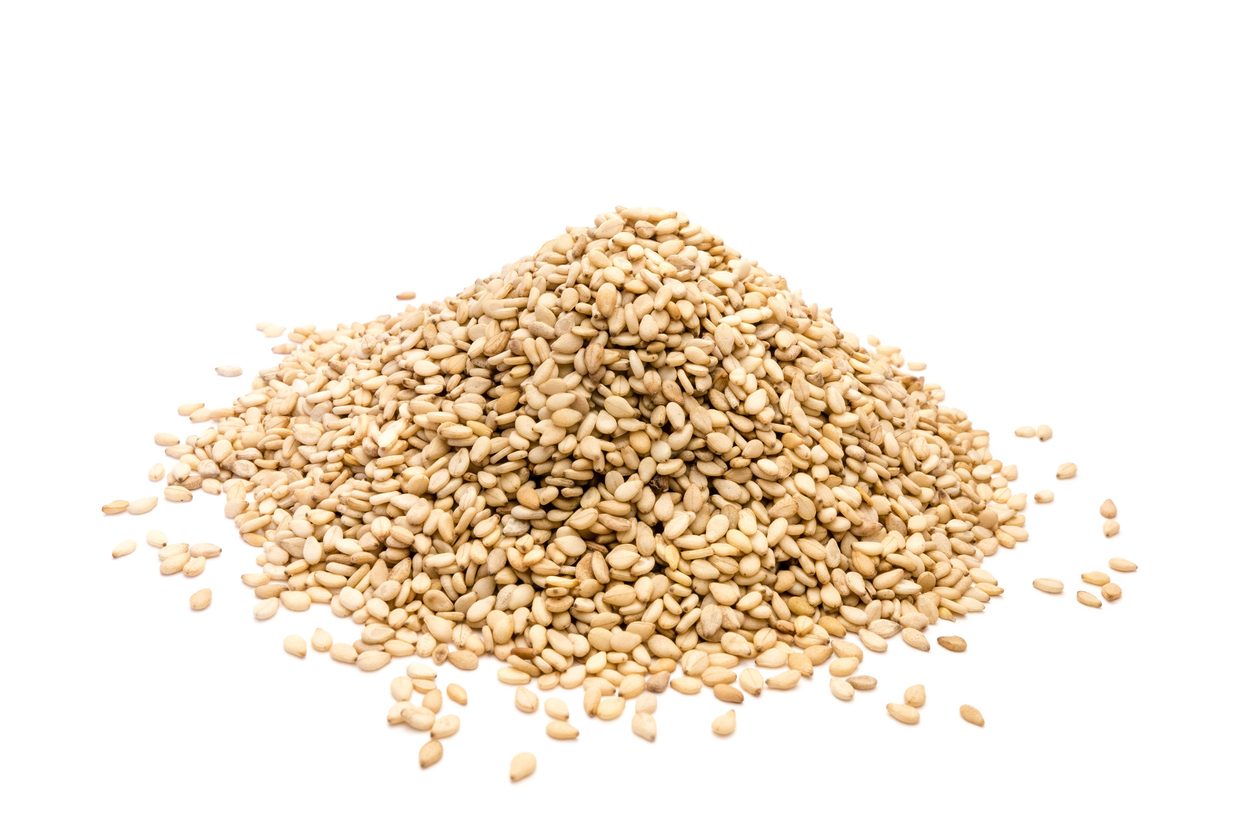
Nigeria remains an important agricultural market in West Africa, and sesame seed is one of its most commercially relevant export crops. Demand for sesame continues across food processing, oil extraction, confectionery, and international commodity trading. For exporters, however, success depends on far more than simply buying seeds and shipping them abroad. Quality handling, proper cleaning, documentation, logistics planning, and buyer compliance all play a central role.
When businesses look at sesame seed cleaning and export in Nigeria, the key issue is consistency. Overseas buyers want sesame seed that meets defined standards for purity, moisture, foreign matter, and packaging. If those standards are not met, shipments may face rejection, price discounts, or delays at destination. This makes post-harvest handling and export preparation just as important as sourcing.
Why cleaning matters in sesame export
Sesame seed is a sensitive export commodity because buyers usually assess it on visible quality and processing suitability. Raw sesame collected from farms or aggregation points often contains dust, stones, plant residue, sand, immature seeds, and other foreign materials. In some cases, poor handling during storage can also increase the risk of contamination or moisture damage.
Cleaning is therefore not a minor step. It directly affects export value.
A properly cleaned batch of sesame seed is more likely to meet buyer specifications and move smoothly through quality inspection. Cleaning also improves uniformity, which matters for industrial processors and food-grade importers. If a shipment contains excessive impurities, the buyer may question the reliability of the supplier even before laboratory testing begins.
For exporters in Nigeria, this means that investment in quality control at origin can protect margins later in the supply chain.
The main stages of sesame seed cleaning
The cleaning process usually begins with sorting and pre-cleaning after procurement. At this stage, visibly damaged material, oversized debris, and loose contaminants are removed. Mechanical cleaning may then be used to separate lighter impurities, stones, and fine particles from the seed.
Depending on the export grade and destination market, further processing may include:
Screening and grading
Seeds are passed through screens to improve size consistency and remove underdeveloped material. Grading helps exporters match the product to buyer requirements.
Destoning
Because sesame is often sourced from multiple farming regions, stone removal can be essential. Even small amounts of mineral contamination can create serious problems for downstream processors.
Aspiration and dust removal
Dust and light foreign matter reduce product quality and can affect packaging performance. Removing them improves the commercial presentation of the cargo.
Moisture management
Moisture levels must be controlled before packing and shipment. Excess moisture can lead to spoilage, mould risk, or disputes at destination.
In practice, exporters need a process that combines procurement controls, proper storage, and reliable cleaning equipment. This is where an experienced trade partner becomes valuable. Wigmore Trading can support businesses that need structured sourcing and supply chain coordination, helping reduce the operational gaps that often affect agricultural exports.
Common challenges in sesame seed export from Nigeria
Although Nigeria offers strong export potential, the sesame trade still presents practical challenges.
One major issue is inconsistent supply quality. Exporters sourcing from fragmented networks of farmers and intermediaries may receive mixed lots with uneven purity levels. Without proper consolidation and inspection, this can affect final shipment quality.
Another challenge is storage and handling. Sesame seed that is poorly stored may absorb moisture or become contaminated before export. Even when the original crop quality is good, weak warehousing practices can damage commercial value.
Documentation and compliance also require close attention. Exporters must ensure that shipment documents, inspection records, and any buyer-specific requirements are handled correctly. Errors in paperwork can delay customs clearance or create payment issues under trade contracts.
Logistics is another critical area. Delays in inland transportation, port handling, container booking, or freight coordination can increase costs and complicate delivery schedules. For time-sensitive or contract-based exports, poor logistics planning can undermine an otherwise viable transaction.
What international buyers expect
Buyers typically want sesame seed that is clean, traceable, well-packed, and prepared according to agreed specifications. While exact requirements vary by market, most importers focus on a few core points:
-
Low foreign matter
-
Acceptable moisture content
-
Uniform seed quality
-
Clean packaging and correct labelling
-
Timely documentation and shipment execution
This means exporters need to think commercially as well as operationally. The job is not only to source sesame. It is to deliver a shipment that performs well under inspection, travels safely, and reaches the customer in saleable condition.
For companies entering this market, working with a partner that understands sourcing, documentation, distribution, and freight coordination can reduce avoidable risk. Wigmore Trading supports businesses across sourcing and logistics functions, making it easier to move from local procurement to export-ready supply.
How Wigmore Trading can support sesame exporters
In the Nigerian sesame trade, exporters often need support at multiple stages rather than in one isolated area. Wigmore Trading can assist with sourcing coordination, quality-focused supply management, export preparation, and logistics planning. This is especially useful for businesses that need dependable execution across procurement, warehousing, shipping, and compliance processes.
Rather than treating export as a simple buying exercise, a structured approach helps businesses improve reliability. With the right support, exporters can better manage supplier quality, prepare cargo to buyer standards, reduce documentation errors, and strengthen delivery performance.
Conclusion
The commercial opportunity in sesame seed cleaning and export in Nigeria is real, but it depends on execution. Buyers do not simply purchase sesame seed; they purchase consistency, cleanliness, compliance, and dependable delivery. Exporters that focus on proper cleaning, moisture control, grading, storage, and logistics are in a stronger position to build long-term trade relationships.
For businesses looking to grow in agricultural exports, the right systems and trade support can make the difference between a one-off shipment and a reliable export operation. Wigmore Trading can help. Contact Wigmore Trading today to streamline your sourcing.






Comments are closed.