

Edible Oil Manufacturing Business in Nigeria: A Practical Guide to Building for Local Demand and Export

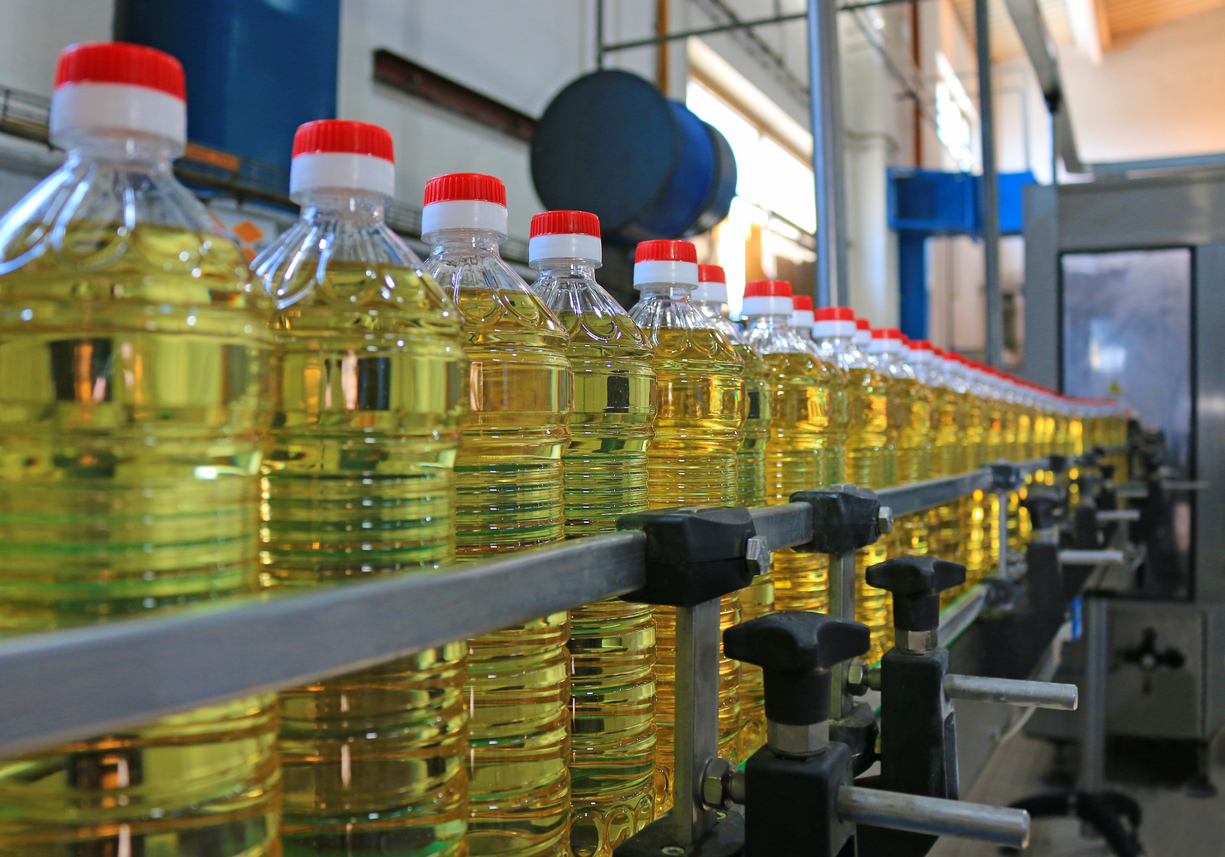
Nigeria’s edible oil market is supported by strong everyday demand from households, food processors, bakeries, restaurants, and manufacturers of packaged foods. The sector is also tied to broader agricultural value chains, especially palm oil, soybean oil, and groundnut oil. Recent USDA reporting noted expanding private investment in oil palm processing, while NEPC continues to emphasize formal export registration, documentation, and compliance for Nigerian exporters.
For entrepreneurs, the opportunity is not simply to “produce oil.” It is to build a business that can source raw materials reliably, process consistently, meet food safety expectations, and distribute efficiently. That is where many ventures succeed or fail.
Why the sector remains attractive
An edible oil manufacturing business in Nigeria serves both mass-market and industrial demand. Refined and packaged oils are staple consumer goods, while bulk oils are used by foodservice operators and processors. Nigeria also has a large agricultural base linked to oil-bearing crops, even though supply constraints still affect the market. USDA data points to continued growth in soybean and peanut production, and private investors are increasing oil palm processing capacity to respond to demand and pricing trends.
That makes the business attractive for three reasons. First, edible oil is a recurring-consumption product rather than a one-off purchase. Second, the value chain creates room for several business models, from crude oil extraction to refining, packaging, private labeling, and distribution. Third, businesses that achieve quality consistency can explore regional trade and export opportunities, provided they meet documentation and regulatory requirements.
Choosing the right business model
Not every investor needs to start with a fully integrated factory. In practice, there are several workable models:
A small or mid-scale operator may begin with processing and packaging for the domestic market. Another route is to buy semi-processed oil, refine or blend to a required standard, and focus on branding and distribution. Larger firms may integrate backward into plantations or contract farming to improve raw material security. The right model depends on capital, sourcing access, power reliability, and target customers.
In Nigeria, raw material planning is especially important. Palm oil may appear attractive because of local familiarity and broad demand, but availability, quality variation, and traceability can be major operational issues. Recent reporting also suggests increasing policy and industry attention on traceability and standards alignment in the palm oil sector.
The real operational challenges
The biggest challenge in an edible oil manufacturing business in Nigeria is not demand. It is consistency.
Raw material quality often varies by region, season, moisture content, and post-harvest handling. Processing businesses also face packaging costs, transport delays, storage issues, and regulatory obligations. Food manufacturers must align with NAFDAC requirements, including food product registration and good manufacturing practice expectations.
Exporters face another layer of complexity. NEPC states that formal exports require documentation and that Nigerian exporters need the appropriate registration and export certificate before shipping. This means that a business with ambitions beyond the local market should design its systems early for documentation, product traceability, labeling, and quality control rather than trying to fix those issues after launch.
What a scalable operation looks like
A scalable edible oil plant usually has five foundations: dependable sourcing, efficient processing, quality assurance, compliant packaging, and route-to-market strength.
Dependable sourcing means building long-term relationships with growers, aggregators, or processors. Efficient processing means reducing waste, controlling contamination, and maintaining consistent output. Quality assurance includes testing, standard operating procedures, and recordkeeping. Packaging must protect shelf life and meet market expectations. Finally, route-to-market strength determines how quickly finished goods move into wholesale, retail, and industrial channels.
This is where an experienced commercial partner can make a measurable difference. Wigmore Trading operates in Nigeria’s FMCG and distribution space and provides sourcing, logistics, and wholesale support. For edible oil businesses, that kind of support can help reduce procurement friction, strengthen warehousing and distribution planning, and improve the movement of finished goods to market without turning the article into a sales pitch.
Building for export, not just local sales
Export readiness should be treated as a business system, not a final-stage add-on. Even where Nigeria’s current palm oil export volumes remain modest, export pathways do exist, and market access depends heavily on documentation, quality compliance, and logistics execution. OEC data shows Nigeria exported palm oil in 2024, with shipments going to markets including the United States, Canada, the United Kingdom, and South Africa.
For a manufacturer, this means thinking beyond production volume. Buyers want consistency in specification, packaging integrity, traceability, and shipment reliability. Wigmore Trading can support businesses at that point by helping with sourcing coordination, supply chain management, distribution planning, and the commercial logistics needed to move products efficiently across Nigeria and toward export channels.
Conclusion
Starting an edible oil manufacturing business in Nigeria can be commercially viable, but only when it is built on disciplined operations rather than optimistic assumptions. Demand is there. The harder work lies in sourcing, processing, compliance, packaging, and distribution. Businesses that solve those fundamentals are better positioned to compete locally and prepare for regional or international trade. Wigmore Trading can help. Contact Wigmore Trading today to streamline your sourcing.






Comments are closed.