

How to Source from a Reliable Shea Butter Processing Factory in Nigeria

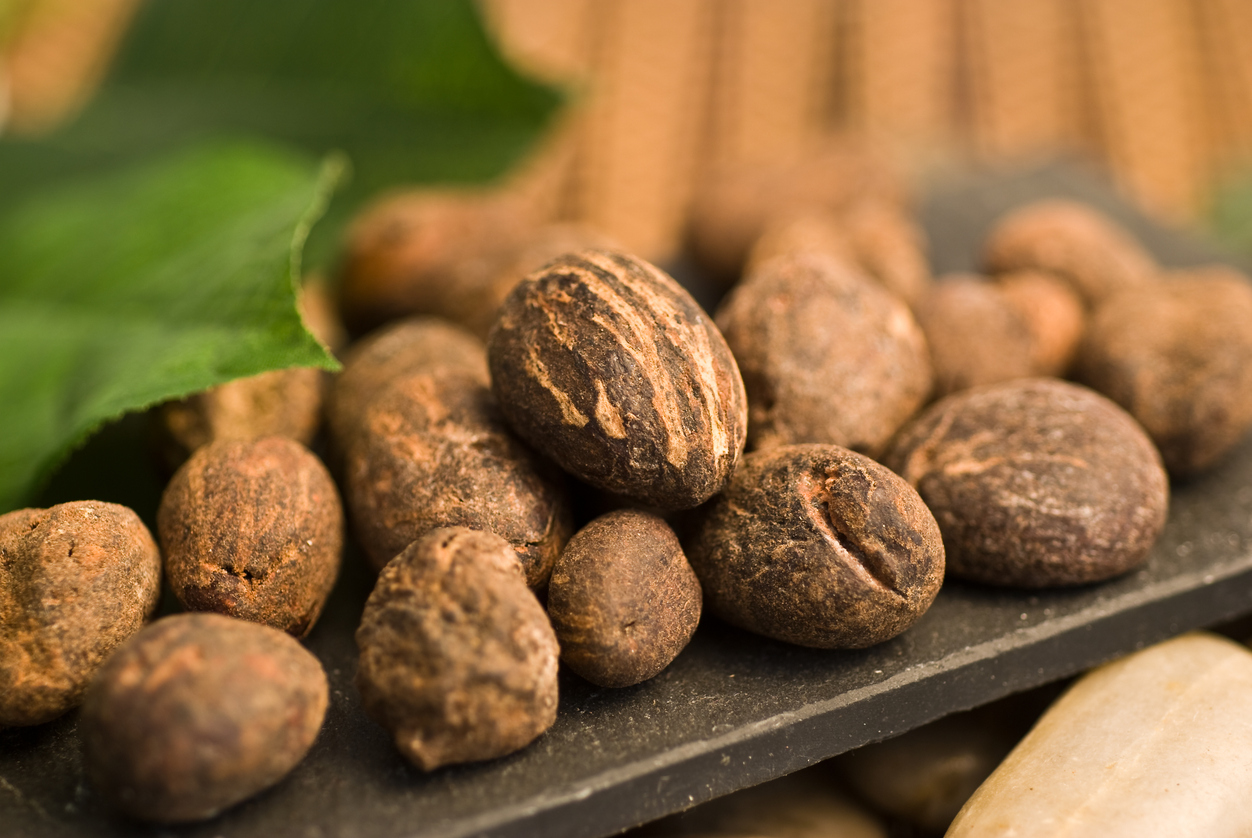
Nigeria is one of the world’s largest producers of shea nuts, making it a critical player in the global shea butter supply chain. The country’s vast shea belt—stretching across several northern states—provides a reliable raw material base for both local processing and international export markets.
As global demand grows for natural ingredients in cosmetics, food production, and pharmaceuticals, the development of a shea butter processing factory in Nigeria has become increasingly important. Modern processing facilities help transform raw shea nuts into high-quality butter that meets international standards, enabling Nigerian producers to participate more effectively in global trade.
At the same time, value-added processing creates economic opportunities within the country and strengthens supply chains across Africa.
Nigeria’s Role in the Global Shea Industry
The African shea belt spans more than 20 countries, but Nigeria is widely recognized as one of the largest sources of shea nuts. Traditionally, much of the shea collected in Nigeria has been exported as raw nuts to international processors.
However, this model limits the value captured within the country. By investing in shea butter processing factories in Nigeria, businesses can process the raw nuts locally into refined or semi-refined butter suitable for export.
Processed shea butter is used in several global industries, including:
-
Cosmetics and skincare manufacturing
-
Food production, particularly as a cocoa butter equivalent
-
Pharmaceutical and personal care products
-
Natural and organic beauty formulations
Local processing increases the export value of the product while strengthening Nigeria’s agro-processing sector.
The Shea Butter Processing Process
A well-equipped shea butter processing factory converts raw shea nuts into butter through a multi-stage production process designed to preserve quality and ensure product safety.
Typical production stages include:
1. Shea Nut Collection and Sorting
Shea fruits are harvested from wild shea trees and the nuts are extracted from the fruit pulp. After drying, the nuts are sorted to remove damaged or contaminated materials.
Quality at this stage is essential, as it directly affects the final butter yield and purity.
2. Cleaning and Roasting
The nuts are cleaned and roasted to help release the oils contained in the kernels. Controlled roasting is critical because excessive heat can affect the butter’s color, aroma, and nutrient profile.
3. Grinding and Oil Extraction
The roasted kernels are ground into a paste and processed to extract oil. Industrial factories typically use mechanical presses or solvent extraction methods to maximize yield and maintain consistency.
4. Filtration and Refining
The extracted oil is filtered to remove impurities. Depending on the intended market, the butter may undergo additional refining steps such as deodorization or bleaching.
High-quality factories maintain strict quality control procedures to meet international export standards.
5. Packaging and Export Preparation
Finished shea butter is packaged in drums, bulk containers, or retail-ready packaging depending on customer requirements. Proper storage conditions are necessary to prevent contamination or degradation during transport.
Export-ready shea butter must meet the specifications required by buyers in Europe, North America, and Asia.
Export Opportunities for Nigerian Shea Butter
Demand for natural ingredients continues to rise globally, especially within the cosmetics and personal care sectors. Shea butter has become a key ingredient in many premium skincare and haircare products due to its moisturizing and anti-inflammatory properties.
Additionally, the food industry uses shea butter as a cocoa butter equivalent, particularly in chocolate production. This connection highlights how African agro-processing—including cocoa powder production for export in Africa—intersects with the wider shea supply chain.
For Nigerian producers, export markets offer significant growth potential if quality standards, traceability, and logistics requirements are met.
Challenges in Shea Butter Processing
Despite the opportunities, operators of a shea butter processing factory in Nigeria often face several operational challenges.
Common issues include:
-
Inconsistent raw material supply during seasonal harvest periods
-
Quality variations in nuts sourced from different regions
-
Limited processing infrastructure in rural areas
-
Complex export documentation and compliance requirements
-
Logistics and transport constraints
Addressing these challenges requires a well-structured supply chain that connects farmers, processors, distributors, and international buyers.
Strengthening the Supply Chain with Reliable Trade Partners
Companies involved in agro-processing often need support with sourcing, logistics coordination, and international distribution.
This is where experienced trade partners can play a valuable role. Wigmore Trading, for example, works with African producers and international buyers to help facilitate sourcing, commodity trading, and supply chain management across key agricultural sectors.
For businesses operating a shea butter processing factory in Nigeria, professional support can assist with:
-
Reliable sourcing of agricultural commodities
-
Export logistics and shipping coordination
-
Regulatory compliance and documentation
-
Distribution to international FMCG and manufacturing markets
By improving supply chain efficiency, producers can focus on scaling production and maintaining consistent product quality.
The Future of Shea Processing in Nigeria
As global demand for natural products continues to grow, Nigeria has strong potential to expand its shea butter processing capacity. Investments in modern factories, improved logistics infrastructure, and stronger export partnerships can significantly increase the value generated from the country’s shea resources.
Local processing not only boosts export revenues but also creates employment, supports rural economies, and strengthens Africa’s position in global commodity markets.
With the right infrastructure and trade networks in place, Nigeria’s shea industry can continue to develop into a key pillar of the continent’s agricultural export economy.
Conclusion
The development of a shea butter processing factory in Nigeria represents an important step toward strengthening Africa’s agro-processing sector and expanding export opportunities. By transforming raw shea nuts into high-quality butter for international markets, Nigerian producers can capture greater value while meeting the rising demand for natural ingredients.
Efficient sourcing, processing, and logistics are essential for success in this competitive global market.
Wigmore Trading can help. Contact Wigmore Trading today to streamline your sourcing and export operations.






Comments are closed.