

Spice Processing and Export in Nigeria: Costs, Process and Market Access

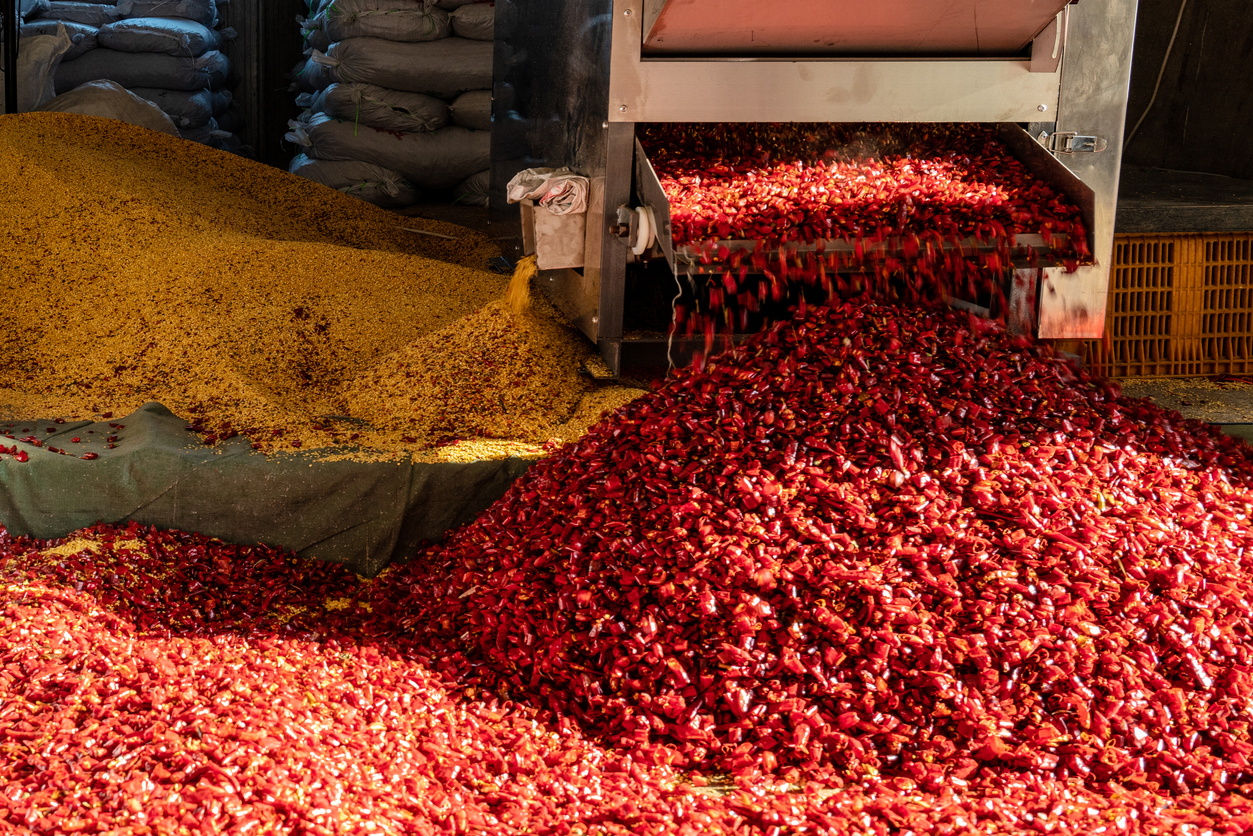
Nigeria’s agricultural sector continues to offer strong opportunities for both local and international trade, with spices emerging as a valuable export category. From ginger and turmeric to chili and garlic, the country produces a wide range of high-demand spices. However, success in spice processing and export in Nigeria requires more than production—it depends on quality control, compliance, logistics, and market access.
This article explores the key steps, challenges, and solutions involved in building a reliable spice export business in Nigeria.
Understanding Spice Processing and Export in Nigeria
Spice processing involves cleaning, drying, grinding, and packaging raw agricultural products into forms suitable for domestic use or export. In Nigeria, this process is often carried out by small to medium-scale processors, though industrial-scale facilities are growing.
Exporting spices requires adherence to international standards, including food safety regulations, proper documentation, and efficient logistics. Markets such as Europe, the Middle East, and Asia demand consistency in quality, traceability, and packaging.
For businesses entering this sector, understanding the full value chain—from farm sourcing to final delivery—is essential.
Key Spices Exported from Nigeria
Nigeria is known for several exportable spices, including:
-
Ginger: One of Nigeria’s leading spice exports, widely used in food and pharmaceuticals
-
Turmeric: Increasingly in demand for its health benefits
-
Chili peppers: Exported in dried and powdered forms
-
Garlic and onions: Used in both fresh and processed formats
Each of these products requires specific processing techniques to maintain quality and meet export standards.
Processing Requirements and Quality Standards
Maintaining consistent quality is a major factor in successful spice exports. Key processing steps include:
-
Cleaning and sorting: Removing impurities and ensuring uniformity
-
Drying: Achieving the correct moisture content to prevent spoilage
-
Grinding and milling: Producing standardized particle sizes for international buyers
-
Packaging: Using food-grade materials that preserve freshness and meet labeling requirements
Export markets often require certifications such as HACCP, ISO standards, and compliance with EU or FDA regulations. Failure to meet these standards can result in rejected shipments and financial losses.
Working with experienced supply chain partners like Wigmore Trading can help ensure that processing and packaging meet international expectations while maintaining cost efficiency.
Regulatory and Compliance Considerations
Exporting spices from Nigeria involves several regulatory steps, including:
-
Registration with the Nigerian Export Promotion Council (NEPC)
-
Obtaining a Phytosanitary Certificate
-
Meeting destination country import requirements
-
Ensuring proper labeling and documentation
Compliance is particularly critical for food products, as international buyers require full traceability and safety assurances.
Navigating these requirements can be complex, especially for new exporters. Reliable partners can assist with documentation, inspections, and compliance management to reduce delays and risks.
Logistics and Supply Chain Challenges
One of the main barriers in spice processing and export in Nigeria is logistics. Common challenges include:
-
Inconsistent transportation infrastructure
-
Delays at ports
-
Improper storage leading to quality degradation
-
Limited access to cold chain or controlled environments
Efficient logistics planning is essential to preserve product quality from processing facilities to export destinations. This includes proper warehousing, timely transportation, and coordination with freight forwarders.
Wigmore Trading supports businesses by managing end-to-end logistics, ensuring that spices are handled, stored, and transported under optimal conditions.
Market Access and Buyer Relationships
Accessing international markets requires more than just having a product—it involves building trust with buyers. Key factors include:
-
Consistent product quality
-
Transparent pricing
-
Reliable delivery timelines
-
Clear communication
Exporters must also stay informed about global demand trends, pricing fluctuations, and regulatory changes.
Partnering with an established trading company can help bridge the gap between Nigerian producers and international buyers, providing access to wider distribution networks and market insights.
How Wigmore Trading Supports Spice Exporters
For businesses looking to scale in the spice sector, operational efficiency and compliance are critical. Wigmore Trading offers support across several areas:
-
Sourcing: Connecting exporters with reliable suppliers and processors
-
Quality control: Ensuring products meet international standards
-
Logistics: Managing shipping, warehousing, and distribution
-
Compliance: Assisting with documentation and regulatory requirements
This integrated approach helps reduce risk and improve the reliability of spice exports from Nigeria.
Conclusion
The potential for spice processing and export in Nigeria is significant, driven by global demand for natural and high-quality food ingredients. However, success depends on maintaining strict quality standards, navigating regulatory requirements, and building efficient supply chains.
By addressing these challenges with the right expertise and partnerships, Nigerian exporters can compete effectively in international markets and achieve sustainable growth.
Wigmore Trading can help. Contact Wigmore Trading today to streamline your sourcing and export operations.






Comments are closed.