
A Complete Guide to Processed Food Export from Nigeria

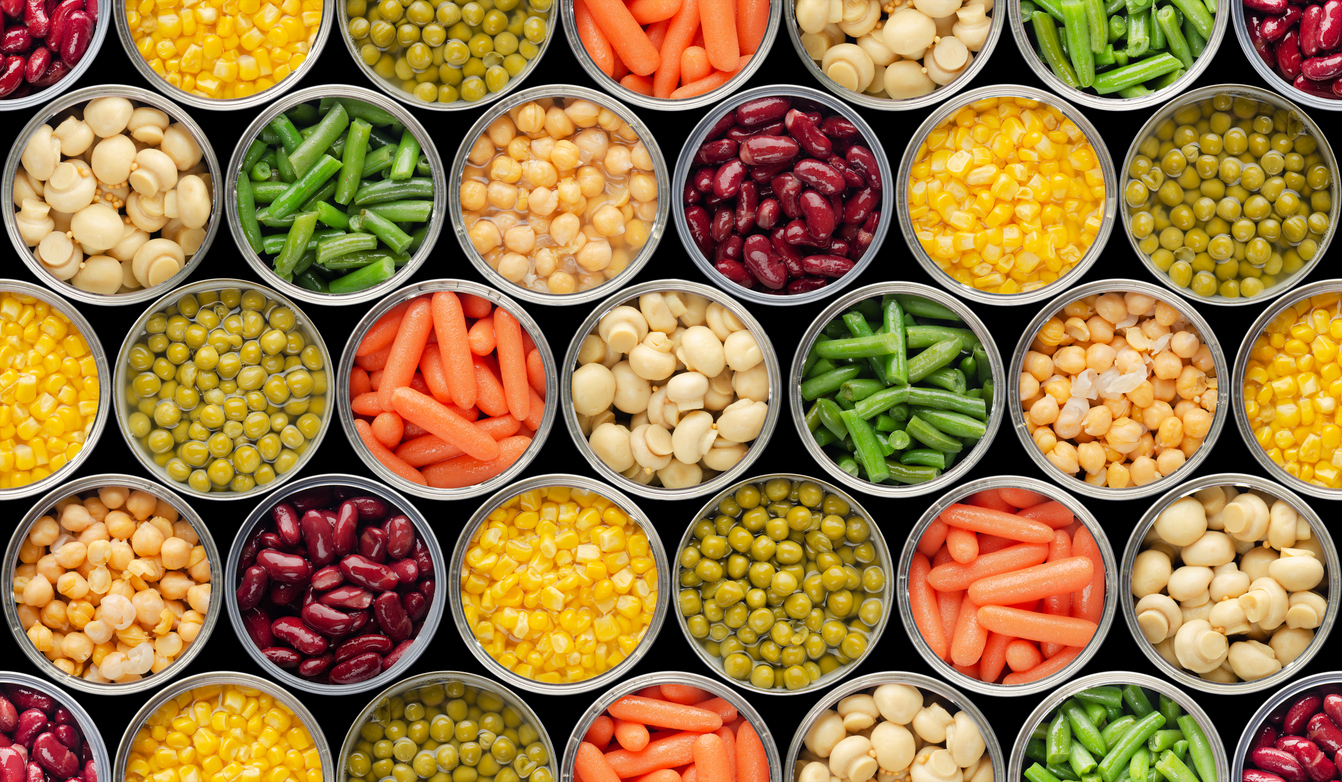
Nigeria’s growing agro-processing sector presents strong opportunities for international trade. With increasing global demand for packaged and shelf-stable foods, processed food export from in Nigeria is becoming a viable pathway for manufacturers, distributors, and investors looking to access regional and global markets.
This article outlines the key considerations, regulatory requirements, and operational strategies needed to successfully export processed food products from Nigeria.
Understanding the Processed Food Export from in Nigeria Market
Processed food exports from Nigeria include products such as packaged grains, spices, beverages, snacks, oils, and ready-to-eat goods. These products are increasingly sought after in African regional markets, Europe, and diaspora-driven markets in North America.
The demand is driven by:
-
Rising urbanisation and demand for convenience foods
-
Growth in African diaspora communities
-
Increased acceptance of African food brands globally
However, accessing these markets requires more than production capacity. Exporters must meet strict quality, packaging, and compliance standards.
Key Regulatory Requirements for Export
To participate in processed food export from in Nigeria, businesses must comply with both local and international regulations.
Nigerian Export Requirements
Exporters must register with:
-
Nigerian Export Promotion Council (NEPC)
-
Corporate Affairs Commission (CAC)
In addition, processed food products must meet standards set by:
-
NAFDAC (National Agency for Food and Drug Administration and Control)
-
SON (Standards Organisation of Nigeria)
Proper certification ensures that products are safe, properly labelled, and fit for export.
International Compliance Standards
Export destinations often require:
-
HACCP (Hazard Analysis and Critical Control Points) certification
-
ISO food safety standards
-
Accurate nutritional labelling
-
Country-specific import documentation
Failure to meet these standards can lead to shipment rejection or delays.
Packaging and Labelling Considerations
Packaging plays a critical role in export success. It must:
-
Preserve product quality during transit
-
Meet international labelling regulations
-
Appeal to target consumers
Labels typically require:
-
Ingredients list
-
Nutritional information
-
Expiry dates
-
Country of origin
Exporters should also consider climate conditions and transit time when selecting packaging materials.
Logistics and Supply Chain Challenges
One of the most significant barriers in processed food export from in Nigeria is logistics. Challenges include:
-
Port congestion and delays
-
Inconsistent cold chain infrastructure (for perishable processed goods)
-
High transportation costs
-
Documentation inefficiencies
To mitigate these issues, businesses benefit from working with experienced supply chain partners.
Wigmore Trading supports exporters by coordinating freight forwarding, warehousing, and customs clearance, helping ensure goods move efficiently from production facilities to international markets.
Sourcing and Quality Control
Consistency in product quality is essential for export growth. Buyers expect uniform standards across shipments.
Key strategies include:
-
Establishing reliable sourcing networks for raw materials
-
Implementing strict quality control processes
-
Maintaining traceability throughout production
Wigmore Trading assists businesses by connecting them with verified suppliers and managing quality assurance processes, reducing risks associated with inconsistent inputs.
Market Entry and Distribution Strategies
Export success depends on selecting the right markets and distribution channels.
Common approaches include:
-
Partnering with local distributors in target countries
-
Selling through wholesale networks
-
Supplying ethnic food stores and supermarkets
-
Leveraging e-commerce platforms
Understanding consumer preferences and pricing dynamics in each market is critical. For example, packaging sizes and flavour profiles may need adjustment depending on the region.
Wigmore Trading helps businesses identify suitable markets and establish distribution channels, ensuring products reach the right buyers efficiently.
Financing and Risk Management
Exporting processed foods requires working capital for production, packaging, and logistics. Businesses must also manage risks such as:
-
Currency fluctuations
-
Payment delays
-
Regulatory changes
Exporters can reduce exposure by:
-
Using secure payment methods such as letters of credit
-
Diversifying markets
-
Partnering with experienced trade intermediaries
Conclusion
The opportunity for processed food export from in Nigeria continues to expand as global demand for African food products grows. However, success requires careful attention to compliance, packaging, logistics, and market strategy.
Businesses that invest in quality control, efficient supply chains, and reliable partnerships are better positioned to scale and compete internationally.
Wigmore Trading can help streamline sourcing, logistics, compliance, and distribution, enabling exporters to focus on growth and market expansion.
Contact Wigmore Trading today to streamline your sourcing.






Comments are closed.