
Start or Scale Groundnut Oil Production in Nigeria Today

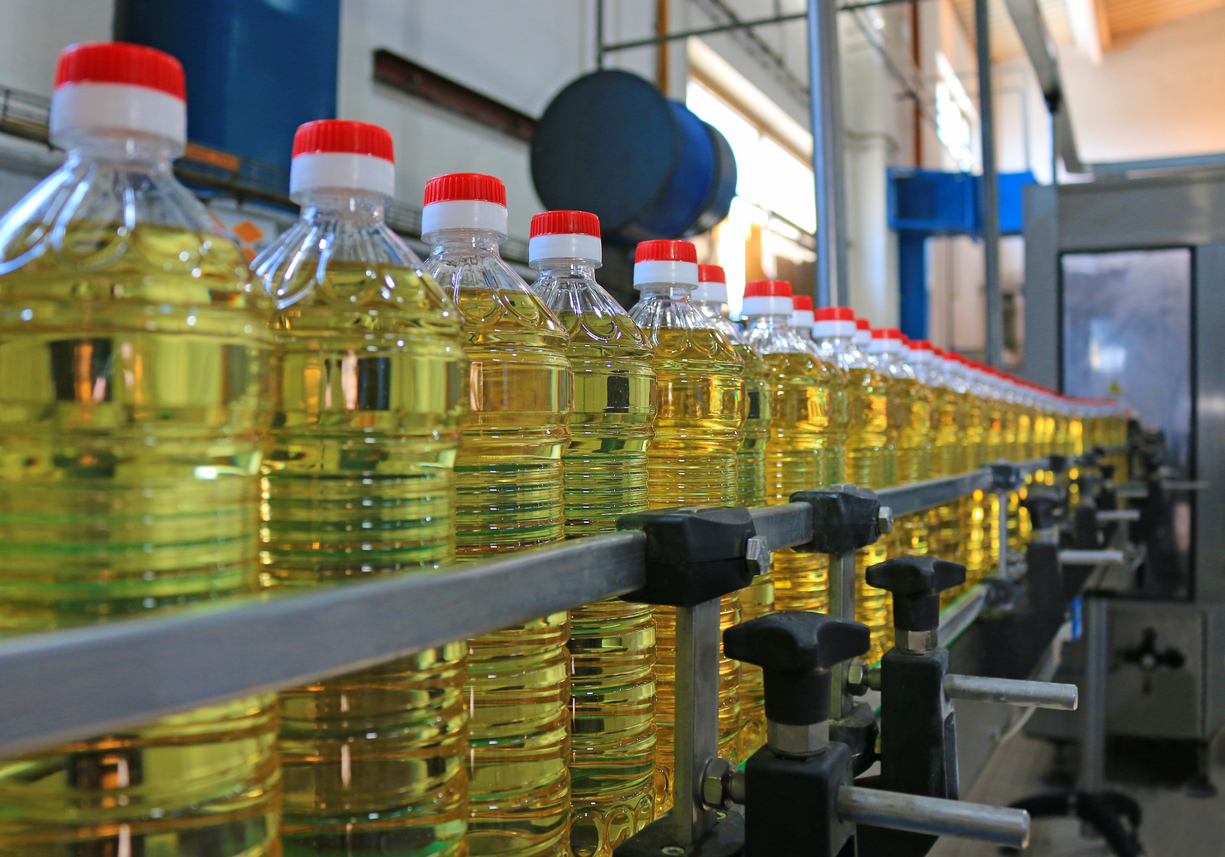
Groundnut oil production in Nigeria plays a significant role in the country’s agricultural and FMCG sectors. As one of Africa’s leading producers of groundnuts (peanuts), Nigeria has strong potential to meet both domestic demand and export requirements for edible oils. For businesses involved in sourcing, distribution, and trade, understanding this value chain is essential for making informed decisions.
Overview of Groundnut Oil Production in Nigeria
Groundnut oil is widely consumed across Nigeria due to its affordability, nutritional value, and versatility in cooking. Production is largely concentrated in the northern regions, where climatic conditions favour groundnut farming.
The production process typically involves:
-
Cleaning and shelling of groundnuts
-
Roasting or drying
-
Oil extraction (mechanical pressing or solvent extraction)
-
Filtration and packaging
Most production in Nigeria is still carried out by small to medium-scale processors, although larger industrial operations are gradually emerging. This creates both opportunities and inefficiencies within the supply chain.
Key Drivers of Demand
Several factors continue to drive demand for groundnut oil in Nigeria:
-
Population growth: Increasing urbanisation is boosting demand for affordable cooking oils
-
Food manufacturing: Groundnut oil is widely used in snacks, packaged foods, and catering
-
Health considerations: It is perceived as a healthier alternative to some refined oils
These drivers make groundnut oil a staple product in Nigeria’s FMCG market, with consistent year-round demand.
Challenges in Groundnut Oil Production in Nigeria
Despite its potential, the sector faces a number of structural challenges:
Inconsistent Raw Material Supply
Seasonal farming and post-harvest losses can affect the availability and quality of groundnuts. This leads to price volatility and supply disruptions.
Limited Processing Capacity
Many producers rely on outdated equipment, resulting in lower extraction efficiency and inconsistent product quality.
Quality and Compliance Issues
Meeting food safety and export standards remains a challenge for smaller processors. This limits access to international markets.
Logistics and Distribution Constraints
Transport infrastructure and storage limitations can increase costs and reduce product shelf life, particularly in rural areas.
Solutions and Opportunities for Businesses
Addressing these challenges requires a more structured and integrated approach to sourcing and distribution. Businesses can benefit from:
-
Partnering with reliable suppliers: Ensuring consistent quality and volume
-
Investing in modern processing methods: Improving yield and product standards
-
Streamlining logistics: Reducing delays and costs across the supply chain
-
Ensuring regulatory compliance: Meeting both local and export requirements
This is where experienced trading and logistics partners become valuable.
The Role of Supply Chain Partners
Companies operating in the edible oil market often need support in navigating sourcing complexities, especially when dealing with fragmented production networks.
Wigmore Trading, for example, supports businesses by facilitating:
-
Bulk sourcing of agricultural commodities, including groundnuts and edible oils
-
Quality control and supplier verification
-
Efficient logistics and distribution across Nigeria and international markets
-
Compliance with regulatory and export standards
By bridging gaps between producers and buyers, structured supply chain management helps reduce risk and improve operational efficiency.
Export Potential of Nigerian Groundnut Oil
Nigeria has strong export potential due to its large agricultural base. However, unlocking this potential depends on improving:
-
Processing standards
-
Packaging and branding
-
Certification and traceability
International markets, particularly in Africa, Europe, and Asia, are increasingly demanding high-quality edible oils. Businesses that can meet these standards are well-positioned to expand beyond local markets.
Future Outlook
The outlook for groundnut oil production in Nigeria remains positive. With ongoing investments in agriculture, processing technology, and infrastructure, the sector is expected to become more competitive.
Opportunities exist for:
-
Importers seeking reliable sourcing partners
-
Distributors expanding within Nigeria or across West Africa
-
Investors interested in agro-processing
A more organised value chain will be key to unlocking long-term growth.
Conclusion
Groundnut oil production in Nigeria offers significant opportunities for businesses across the supply chain. While challenges such as inconsistent supply, limited processing capacity, and logistics constraints persist, they can be effectively managed through strategic partnerships and improved operational practices.
For companies looking to source, distribute, or invest in this sector, working with experienced partners can make a measurable difference in efficiency and reliability.
Wigmore Trading can help. Contact Wigmore Trading today to streamline your sourcing.





Comments are closed.