
How to Work with Chinese Machinery Suppliers for Africa Factories

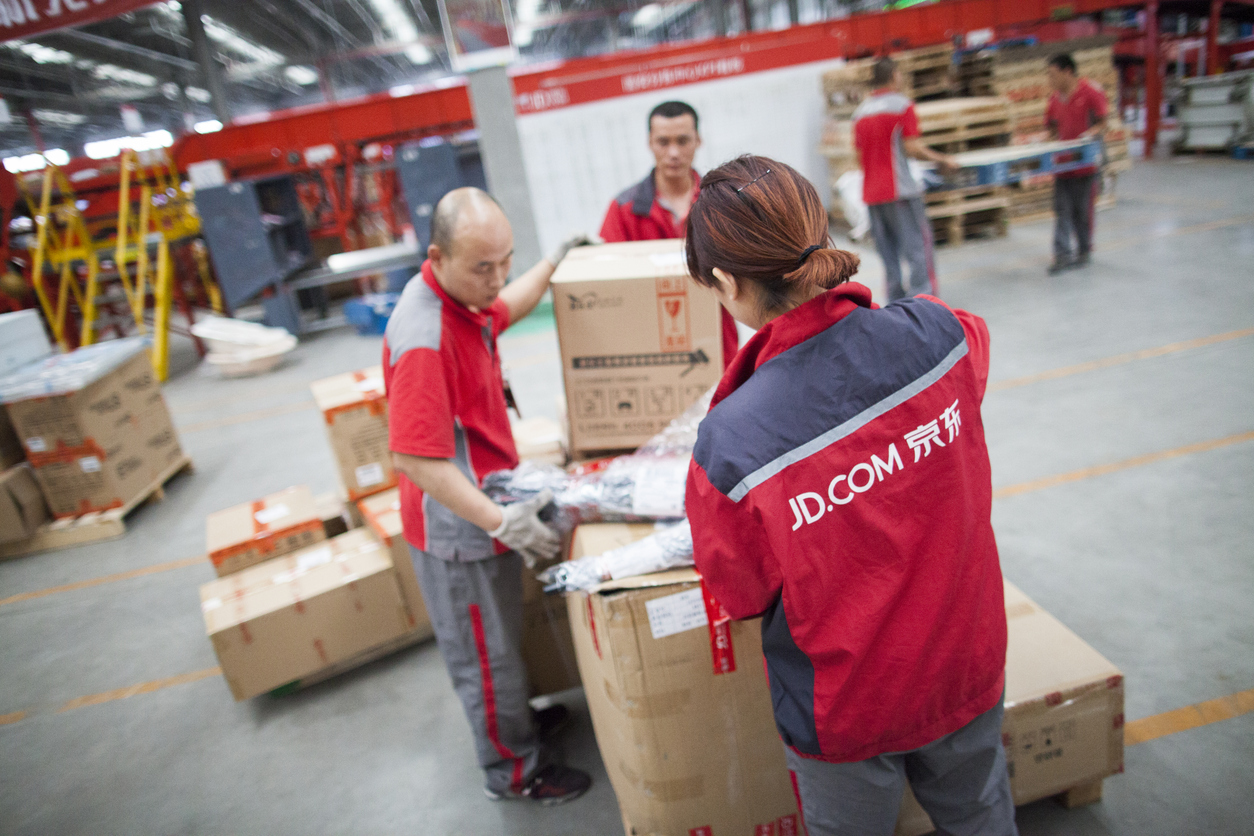
As industrialisation accelerates across Africa, demand for cost-effective and scalable equipment continues to grow. Many businesses are turning to Chinese machinery suppliers for Africa factories due to competitive pricing, wide product availability, and flexible manufacturing capabilities. However, sourcing machinery internationally requires careful planning, due diligence, and reliable logistics support.
This guide explores how African businesses can effectively work with Chinese suppliers while managing risks and ensuring long-term operational efficiency.
Why Chinese Machinery Suppliers for Africa Factories Are in Demand
China remains one of the world’s leading exporters of industrial machinery, supplying sectors such as manufacturing, agriculture, construction, and FMCG production. African factories often rely on Chinese suppliers because they offer:
- Competitive pricing compared to European or US alternatives
- A wide range of machinery, from entry-level to advanced systems
- Customisation options for specific production needs
- Scalable solutions for growing businesses
For emerging markets, this combination enables faster industrial growth without excessive upfront investment.
Key Challenges When Sourcing Machinery Internationally
While sourcing from China offers advantages, it also presents several operational challenges that must be addressed:
Quality Assurance and Standards
Not all suppliers operate at the same quality level. Machinery may vary significantly in durability, efficiency, and compliance with local standards.
Supplier Verification
Identifying legitimate and reliable suppliers can be difficult, especially for businesses without a local presence in China.
Shipping and Logistics Complexity
Heavy machinery requires specialised shipping, handling, and documentation. Delays or improper handling can result in costly disruptions.
Regulatory Compliance
Import regulations across African countries vary, including certification, duties, and safety requirements.
Without proper oversight, these challenges can lead to financial loss, delays, or operational inefficiencies.
How to Evaluate Chinese Machinery Suppliers for Africa Factories
To mitigate risks, businesses should follow a structured sourcing approach:
Conduct Supplier Due Diligence
Verify supplier credentials, certifications, and track records. This includes reviewing factory audits, customer references, and export history.
Request Product Samples or Demonstrations
Where possible, request machine testing videos or third-party inspections to assess performance and quality before purchase.
Assess Technical Support Capabilities
Reliable suppliers should offer installation guidance, spare parts availability, and after-sales support.
Compare Total Cost of Ownership
Beyond the purchase price, consider shipping, import duties, maintenance, and energy consumption to determine true cost efficiency.
Working with an experienced sourcing partner can streamline this process and reduce uncertainty.
Managing Logistics and Importation Efficiently
Transporting machinery from China to Africa requires coordinated logistics planning. Key considerations include:
- Selecting appropriate shipping methods (containerised or breakbulk)
- Ensuring proper packaging and handling to prevent damage
- Managing customs documentation and clearance
- Coordinating inland transportation to factory locations
Delays often occur due to incomplete documentation or poor coordination between suppliers and freight providers.
Wigmore Trading supports businesses by managing end-to-end logistics, ensuring machinery is delivered efficiently and in compliance with local regulations.
Ensuring Compliance and Risk Management
Importing industrial equipment involves regulatory oversight that varies by country. Businesses must ensure:
- Machinery meets safety and operational standards
- Required certifications are obtained before shipment
- Duties and taxes are accurately calculated
- Documentation aligns with customs requirements
Failure to comply can result in shipment delays, penalties, or rejected imports.
With experience across African markets, Wigmore Trading helps businesses navigate compliance requirements, reducing risk and ensuring smooth import processes.
Building Long-Term Supplier Relationships
Sourcing machinery is not a one-time transaction but part of a long-term operational strategy. Establishing strong relationships with suppliers can lead to:
- Better pricing and payment terms
- Faster production turnaround times
- Priority access to new technologies
- Improved after-sales support
Clear communication, consistent orders, and reliable intermediaries play a crucial role in maintaining these partnerships.
Conclusion
Working with Chinese machinery suppliers for Africa factories offers significant opportunities for industrial growth, cost efficiency, and scalability. However, success depends on careful supplier selection, robust logistics planning, and strict compliance with import regulations.
By taking a structured approach and partnering with experienced sourcing and logistics providers, businesses can minimise risk and maximise operational efficiency.
Wigmore Trading can help. Contact Wigmore Trading today to streamline your sourcing.






Comments are closed.