
How to Start a Small Factory in Nigeria: A Practical Guide for Entrepreneurs

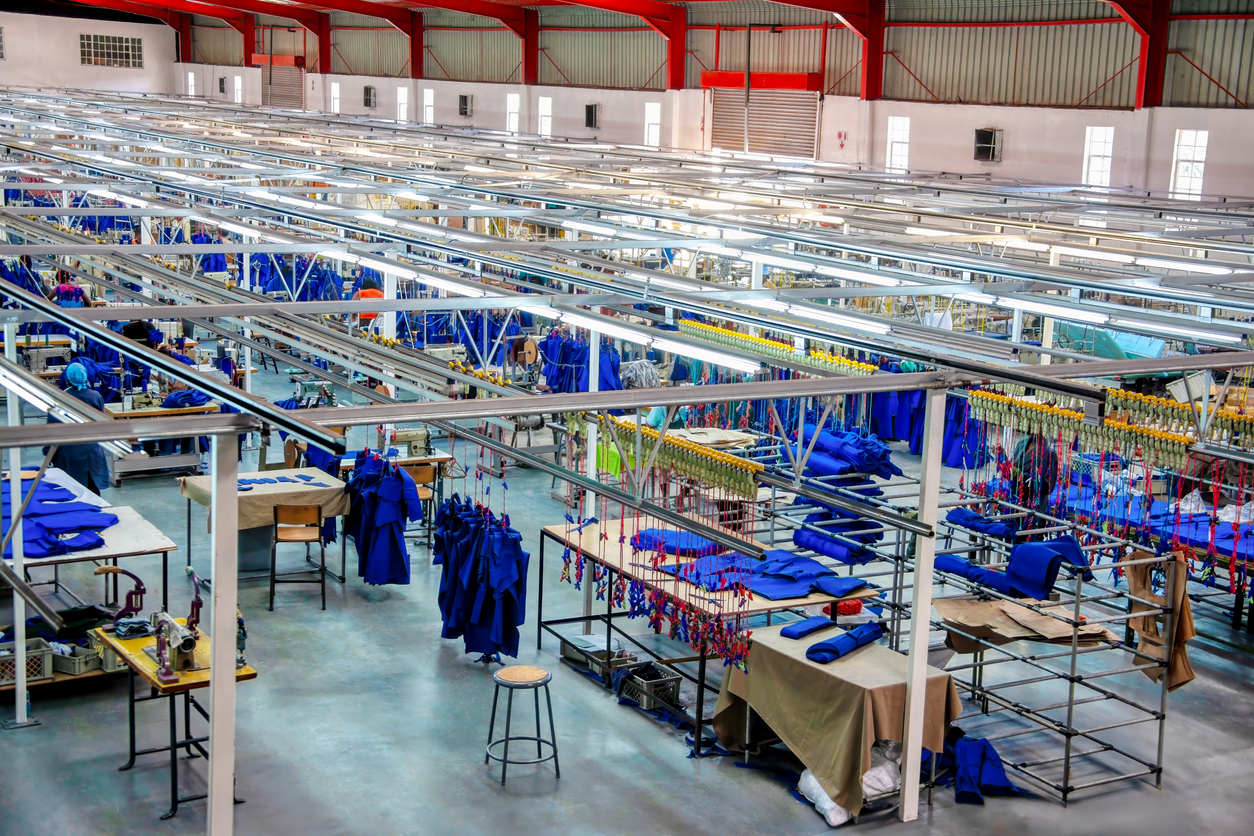
Understanding How to Start Small Factory in Nigeria
Starting a small factory in Nigeria requires careful planning, regulatory awareness, and access to reliable supply chains. With Nigeria’s growing population and demand for locally produced goods, small-scale manufacturing presents strong opportunities across sectors such as FMCG, packaging, agro-processing, and light industrial production.
However, success depends on making informed decisions around location, raw materials, compliance, and distribution.
Conduct Market Research and Choose the Right Industry
Before setting up, identify a product with consistent demand and manageable competition. Common entry points include:
- Food processing (e.g., flour, snacks, beverages)
- Plastic or packaging production
- Cosmetics and personal care products
- Household goods manufacturing
Evaluate local demand, pricing structures, and import alternatives. Nigeria’s import substitution policies can favour locally manufactured goods, especially when quality and pricing are competitive.
Register Your Business and Meet Regulatory Requirements
A critical step in how to start small factory in Nigeria is formal registration and compliance. This includes:
- Registering with the Corporate Affairs Commission (CAC)
- Obtaining tax identification numbers
- Securing permits from regulatory bodies such as NAFDAC (for food, drugs, cosmetics) or SON (Standards Organisation of Nigeria)
Failure to meet these requirements can delay operations or lead to penalties. Proper documentation also builds trust with distributors and partners.
Secure a Suitable Location and Infrastructure
Location plays a key role in operational efficiency. Consider:
- Proximity to raw materials or suppliers
- Access to transportation networks
- Availability of power and water
Industrial clusters or designated manufacturing zones can reduce setup challenges. However, infrastructure gaps—especially inconsistent power supply—should be factored into your budget. Many small factories invest in generators or alternative energy solutions.
Source Equipment and Raw Materials Efficiently
Reliable sourcing is essential for maintaining production quality and consistency. Machinery can be sourced locally or imported, depending on cost and availability.
Raw material sourcing should prioritise:
- Consistency in supply
- Quality standards
- Competitive pricing
This is where working with an experienced partner like Wigmore Trading becomes valuable. They support businesses with sourcing raw materials, managing imports, and ensuring smooth logistics into Nigeria, reducing delays and supply chain risks.
Build a Skilled Workforce and Operational Process
Even a small factory requires trained personnel to handle production, quality control, and maintenance. Start with a lean team and scale as demand grows.
Establish clear processes for:
- Production workflows
- Quality assurance
- Inventory management
Consistency in operations helps reduce waste and improve profitability over time.
Develop Distribution and Market Access
Producing goods is only one part of the business. Effective distribution ensures products reach the right customers.
Options include:
- Partnering with wholesalers and distributors
- Supplying supermarkets and retail chains
- Leveraging regional trade networks within West Africa
Wigmore Trading can support distribution strategies by connecting manufacturers with established supply chains and export opportunities, helping businesses expand beyond local markets.
Manage Costs and Scale Gradually
A common mistake when learning how to start small factory in Nigeria is over-investing too early. Begin with manageable production capacity and scale based on demand.
Key cost areas to monitor:
- Equipment and maintenance
- Raw materials
- Energy and utilities
- Logistics and transportation
Efficient cost management improves long-term sustainability and allows reinvestment into growth.
Conclusion
Starting a small factory in Nigeria offers strong potential, especially in sectors with high local demand and import dependence. Success depends on careful planning, compliance with regulations, efficient sourcing, and reliable distribution channels.
By focusing on operational efficiency and building strong supply chain partnerships, entrepreneurs can establish sustainable manufacturing businesses that contribute to Nigeria’s industrial growth.
Wigmore Trading can help. Contact Wigmore Trading today to streamline your sourcing, logistics, and distribution needs.






Comments are closed.