
Factory Setup Cost in Nigeria: A Practical Guide for Investors

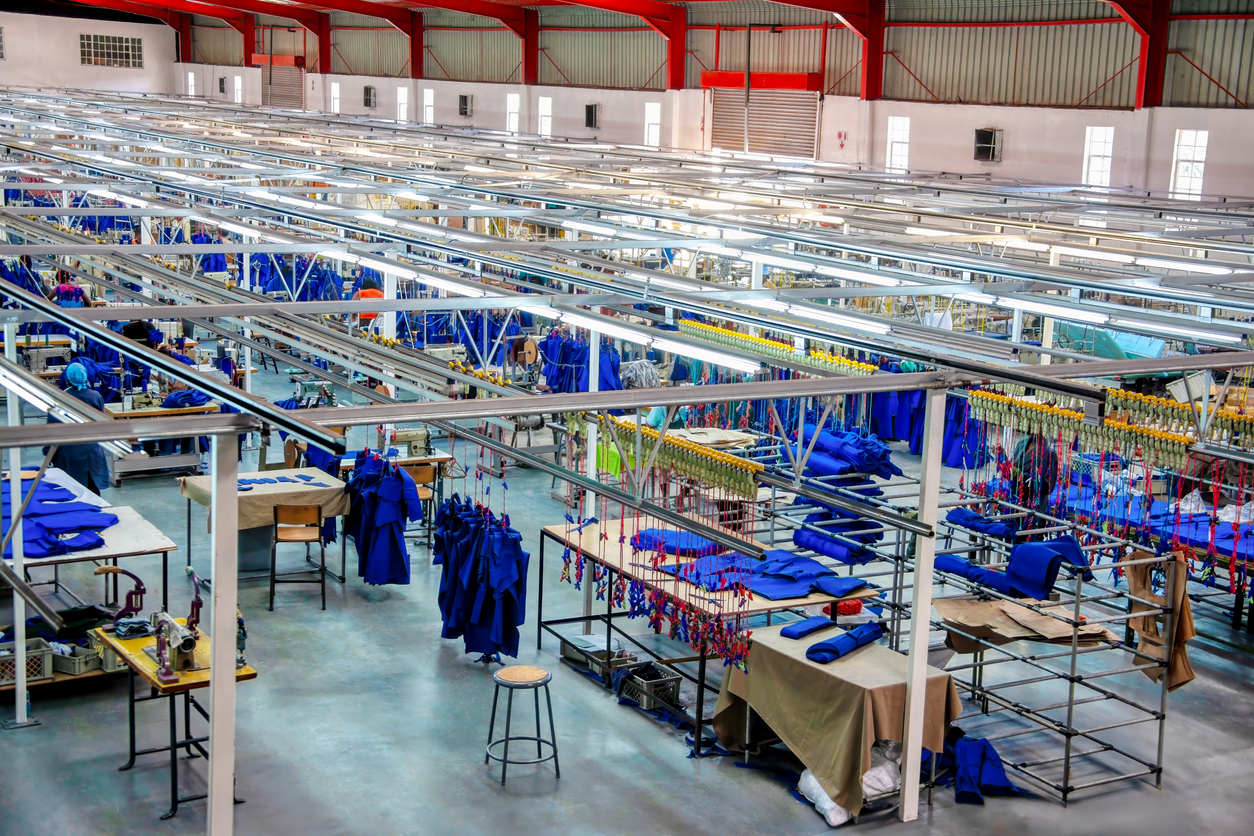
Understanding the factory setup cost in Nigeria is essential for businesses looking to enter one of Africa’s largest and fastest-growing industrial markets. With a population exceeding 200 million and increasing demand for locally manufactured goods, Nigeria offers strong opportunities across sectors such as FMCG, agro-processing, and light manufacturing.
However, setting up a factory involves multiple cost components that must be carefully planned to ensure long-term profitability and compliance.
Key Factors Affecting Factory Setup Cost in Nigeria
The total investment required varies significantly depending on industry, scale, and location. Below are the primary cost drivers:
1. Land and Location Costs
Land prices differ widely across Nigeria. Industrial zones in Lagos, Ogun, and Rivers State tend to be more expensive due to better infrastructure and proximity to ports.
- Industrial land (urban areas): Higher cost but better logistics access
- Semi-urban/rural land: Lower cost but may require infrastructure development
Choosing the right location directly impacts transport efficiency and operating costs.
2. Licensing and Regulatory Compliance
Businesses must comply with several regulatory requirements, including:
- Corporate Affairs Commission (CAC) registration
- Environmental impact assessments
- Industry-specific permits (e.g., NAFDAC for food and pharmaceuticals)
These costs are generally moderate but essential to avoid operational delays.
3. Machinery and Equipment
Machinery is often the largest expense in factory setup. Costs depend on whether equipment is:
- Imported (higher upfront cost, better efficiency)
- Locally fabricated (lower cost, may require maintenance)
Import duties, shipping fees, and installation costs must also be factored in. Efficient sourcing and logistics planning can significantly reduce these expenses.
4. Infrastructure and Utilities
Reliable infrastructure remains a challenge in Nigeria. Key costs include:
- Power generation (diesel generators or solar systems)
- Water supply systems
- Factory construction and layout
Many manufacturers invest heavily in backup power due to inconsistent electricity supply, which increases initial capital requirements.
5. Labour and Staffing
Nigeria offers a relatively affordable labour market, but costs vary by skill level:
- Skilled technicians and engineers: Higher wages
- Unskilled labour: Lower wages but requires training
Training programs and workforce development should be included in the initial budget.
Estimated Factory Setup Cost in Nigeria
While costs vary, a small-to-medium scale factory typically ranges between:
- $50,000 to $500,000+ depending on industry and scale
For example:
- Small agro-processing plant: Lower capital requirement
- FMCG manufacturing line: Moderate to high investment
- Industrial-scale production: Significant capital expenditure
Proper financial planning is crucial to avoid undercapitalisation.
Common Challenges and Cost Risks
Investors often face several challenges when estimating the factory setup cost in Nigeria:
- Fluctuating exchange rates affecting import costs
- Port congestion and customs delays
- Inconsistent power supply increasing operational expenses
- Supply chain inefficiencies
These risks can lead to unexpected cost overruns if not properly managed.
Strategies to Reduce Factory Setup Costs
Optimise Sourcing and Procurement
Working with experienced sourcing partners helps businesses secure quality machinery and raw materials at competitive prices while ensuring compliance with import regulations.
Improve Logistics Planning
Efficient shipping, customs clearance, and inland transport can significantly reduce delays and hidden costs. Consolidated shipments and proper documentation are key.
Choose Strategic Locations
Selecting locations near ports or industrial hubs reduces transportation costs and improves supply chain efficiency.
Invest in Scalable Infrastructure
Instead of over-investing initially, businesses can adopt scalable factory designs that allow for expansion as demand grows.
How Wigmore Trading Supports Factory Setup in Nigeria
Setting up a factory involves navigating complex supply chains, regulatory frameworks, and logistics challenges. Wigmore Trading supports businesses by providing:
- Reliable sourcing of machinery and raw materials
- Import/export logistics and customs clearance
- Distribution and supply chain management across Nigeria
- Guidance on compliance and market entry strategies
By leveraging local expertise and established networks, businesses can reduce risks and streamline the setup process.
Conclusion
The factory setup cost in Nigeria depends on multiple factors, including location, infrastructure, machinery, and regulatory requirements. While the market offers strong growth potential, careful planning and efficient supply chain management are essential to control costs and ensure operational success.
Businesses that take a structured approach—focusing on sourcing efficiency, logistics optimisation, and compliance—are better positioned to succeed in Nigeria’s competitive manufacturing landscape.
Wigmore Trading can help. Contact Wigmore Trading today to streamline your sourcing.





Comments are closed.