
How to Buy and Export Iron Gas Containers from China: A Complete Guide for Importers

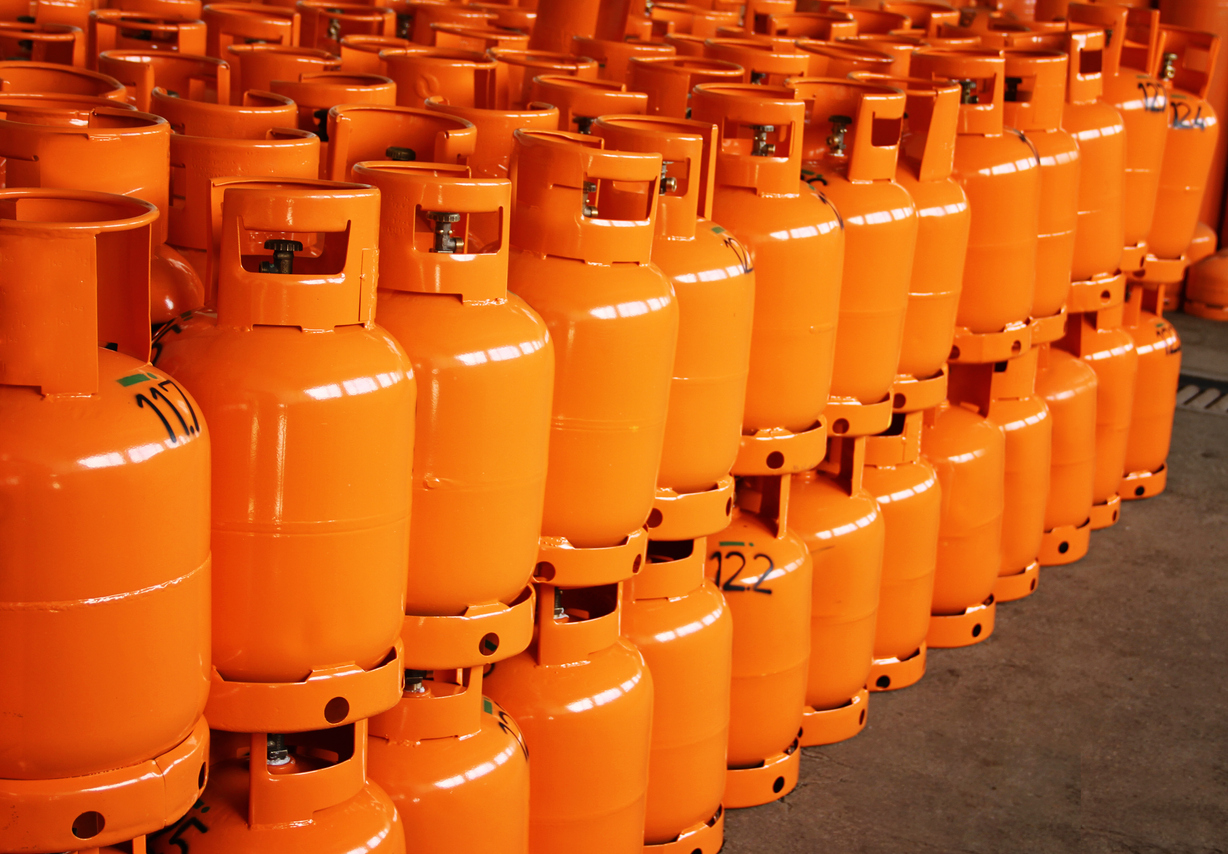
China remains one of the world’s leading manufacturers of industrial equipment, including iron gas containers used across sectors such as energy, manufacturing, healthcare, and construction. For businesses in Africa and other emerging markets, the opportunity to buy and export iron gas containers from China offers cost advantages, product variety, and scalable supply.
However, importing these containers involves more than just placing an order. Buyers must consider supplier reliability, product standards, logistics, and regulatory compliance. This guide outlines the key steps and considerations to ensure a smooth and efficient procurement process.
Understanding Iron Gas Containers and Their Uses
Iron gas containers are heavy-duty cylinders designed to store and transport compressed or liquefied gases such as oxygen, LPG, nitrogen, and industrial gases. They are widely used in:
- Oil and gas distribution
- Medical and hospital supply chains
- Welding and fabrication industries
- FMCG and beverage carbonation processes
Given their pressurised nature, safety and compliance are critical when sourcing these products internationally.
Why Source Iron Gas Containers from China?
1. Competitive Pricing
Chinese manufacturers benefit from economies of scale, allowing importers to access lower unit costs compared to many other regions.
2. Wide Supplier Network
China offers a large pool of manufacturers producing various grades and specifications of iron gas containers, including customised options.
3. Established Export Infrastructure
With well-developed ports and logistics systems, China enables efficient international shipping, making it easier to coordinate bulk exports.
For businesses looking to scale distribution in African markets, sourcing from China provides both affordability and flexibility.
Key Steps to Buy and Export Iron Gas Containers from China
1. Identify Verified Suppliers
Start by shortlisting reputable manufacturers or trading companies. Look for:
- ISO certifications (e.g., ISO 9809 for gas cylinders)
- Export experience
- Transparent production processes
- Positive trade history
Working with a sourcing partner like Wigmore Trading can help verify suppliers and reduce the risk of dealing with unreliable vendors.
2. Confirm Product Specifications
Clearly define your requirements, including:
- Cylinder capacity and dimensions
- Material grade and thickness
- Pressure ratings
- Valve compatibility
- Surface treatment (painted, coated, or anti-corrosion)
Request technical datasheets and, where possible, product samples to ensure quality alignment.
3. Ensure Compliance with International Standards
Iron gas containers must meet strict safety regulations. Depending on your destination market, check for compliance with:
- ISO standards
- DOT (U.S.) or CE (EU) certifications
- Local regulatory approvals in your country
Failure to meet these requirements can lead to shipment delays or rejection at customs.
4. Negotiate Pricing and Terms
When negotiating with suppliers:
- Clarify Incoterms (e.g., FOB, CIF, EXW)
- Confirm minimum order quantities (MOQs)
- Discuss payment terms (e.g., deposit + balance)
Bulk purchasing often provides better pricing, but ensure it aligns with your inventory capacity and demand forecasts.
5. Arrange Quality Inspection
Before shipment, conduct a pre-shipment inspection to verify:
- Product quality and specifications
- Quantity accuracy
- Packaging standards
Third-party inspection services or sourcing agents like Wigmore Trading can handle this step, ensuring consistency and reducing risk.
6. Manage Shipping and Logistics
Shipping iron gas containers requires careful planning due to their size and classification as potentially hazardous goods.
Key considerations include:
- Container loading (FCL vs LCL)
- Proper labelling and documentation
- Freight forwarding arrangements
- Insurance coverage
Wigmore Trading can assist with end-to-end logistics, including freight coordination, customs clearance, and last-mile delivery.
7. Handle Import Documentation
Ensure all required documents are prepared, including:
- Commercial invoice
- Packing list
- Bill of lading
- Certificate of origin
- Compliance certificates
Accurate documentation helps avoid customs delays and ensures smooth entry into your target market.
Common Challenges and How to Overcome Them
Quality Inconsistencies
Not all suppliers maintain consistent production standards. Mitigation:
- Work with verified suppliers
- Conduct inspections
- Use sourcing partners for oversight
Regulatory Barriers
Different countries have varying import requirements. Solution:
- Research local regulations
- Partner with experienced import/export specialists
Logistics Complexity
Heavy and regulated goods require specialised shipping processes. Solution:
- Use experienced freight forwarders
- Consolidate shipments where possible
Wigmore Trading supports businesses by simplifying these challenges through integrated sourcing, compliance support, and logistics management.
Conclusion
To successfully buy and export iron gas containers from China, businesses must take a structured approach—combining supplier verification, compliance checks, quality control, and efficient logistics planning.
With the right processes in place, importers can benefit from cost-effective sourcing while maintaining safety and regulatory standards. Partnering with an experienced trade and logistics provider ensures smoother operations and reduces risk across the supply chain.
Wigmore Trading can help. Contact Wigmore Trading today to streamline your sourcing.



Comments are closed.