
Buy and Export Metal-Rolling Mills from China: A Practical Guide for Businesses

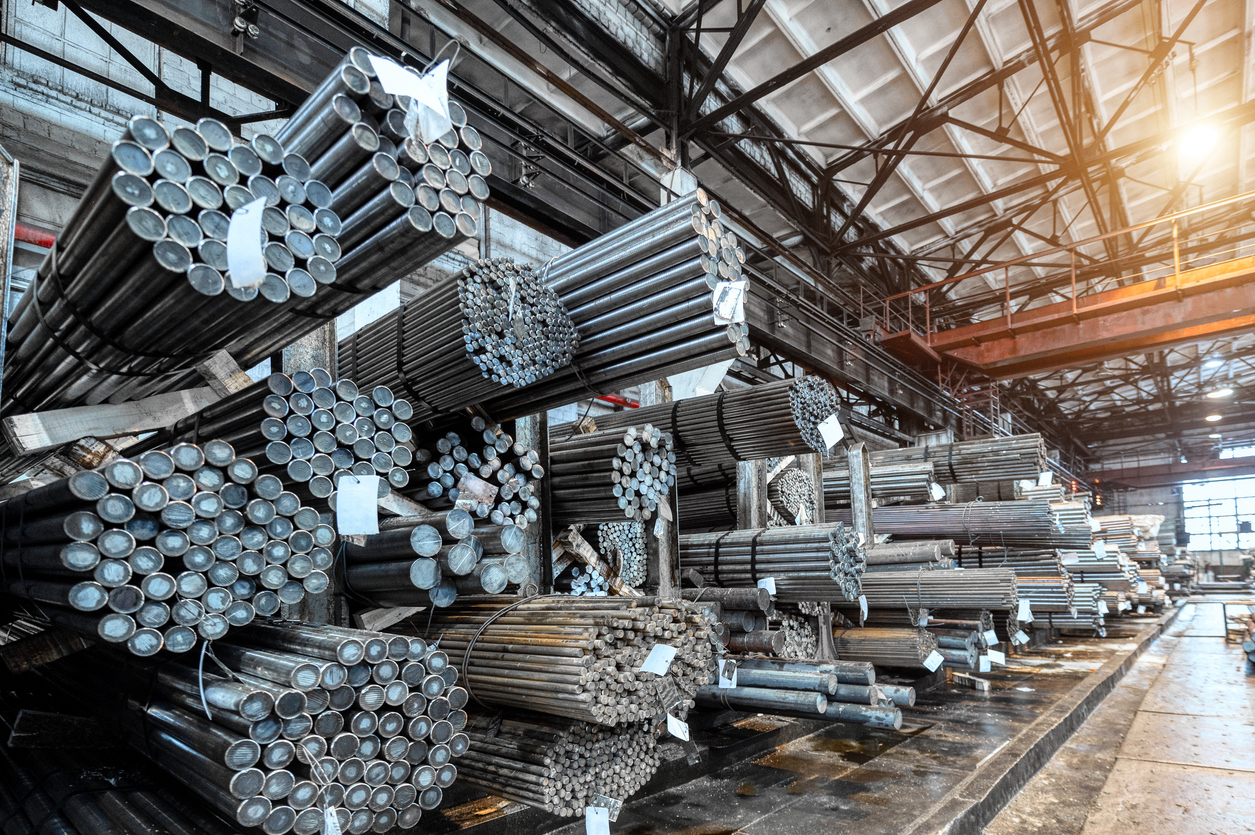
Metal-rolling mills are essential for manufacturing industries involved in steel processing, construction materials, and industrial fabrication. As demand for infrastructure and industrial development grows across Africa and emerging markets, many businesses are looking to buy and export metal-rolling mills from China due to cost efficiency and manufacturing expertise.
However, sourcing heavy industrial equipment internationally involves technical, logistical, and regulatory complexities. This guide outlines key considerations and how businesses can streamline the process effectively.
Why Source Metal-Rolling Mills from China?
China is a global leader in manufacturing industrial machinery, including metal-rolling mills. Businesses choose Chinese suppliers for several reasons:
- Competitive pricing: Lower production costs compared to Western manufacturers
- Wide supplier base: Access to multiple manufacturers with varying specifications
- Customization options: Equipment can be tailored to production needs
- Advanced manufacturing: Many factories meet international standards
For companies seeking to scale operations, importing from China can offer a balance between cost and performance—provided due diligence is carried out.
Key Considerations Before Buying
Before you buy and export metal-rolling mills from China, it is important to evaluate both technical and commercial factors.
1. Equipment Specifications
Metal-rolling mills vary depending on the intended application. Consider:
- Type (hot rolling vs cold rolling)
- Production capacity
- Automation level
- Energy efficiency
Ensuring the machine aligns with your production goals avoids costly adjustments later.
2. Supplier Verification
Working with verified manufacturers is critical. Businesses should:
- Request certifications (ISO, CE where applicable)
- Conduct factory audits or inspections
- Review past export experience
This reduces the risk of substandard equipment or delays.
3. Compliance and Standards
Different countries have specific import regulations for industrial machinery. Key areas include:
- Safety standards
- Environmental compliance
- Electrical compatibility
Failure to meet these requirements can result in shipment delays or rejection at port.
Logistics and Export Challenges
Transporting metal-rolling mills is significantly more complex than shipping standard goods due to size, weight, and handling requirements.
Common Challenges
- Heavy cargo handling and special packaging
- Freight cost fluctuations
- Port clearance delays
- Customs documentation errors
Without proper planning, these challenges can increase costs and disrupt project timelines.
Streamlining the Process with Wigmore Trading
This is where working with an experienced trade partner becomes valuable. Wigmore Trading supports businesses looking to buy and export metal-rolling mills from China by managing key stages of the supply chain.
Supplier Sourcing and Verification
Wigmore Trading helps identify reputable manufacturers and ensures due diligence is completed before purchase. This reduces procurement risks and improves supplier reliability.
Quality Control and Inspection
Pre-shipment inspections ensure that machinery meets agreed specifications and quality standards before it leaves the factory.
Freight and Logistics Management
Handling oversized industrial equipment requires expertise. Wigmore Trading coordinates:
- Freight booking (sea or multimodal transport)
- Proper packaging and loading
- Port handling and documentation
This ensures smooth transit from China to the destination country.
Customs Clearance and Compliance
Navigating import regulations can be complex. Wigmore Trading assists with documentation, regulatory compliance, and customs processes to avoid unnecessary delays.
Cost Factors to Consider
When planning to buy and export metal-rolling mills from China, businesses should account for:
- Equipment cost (FOB or EXW pricing)
- Shipping and insurance
- Import duties and taxes
- Installation and maintenance costs
A comprehensive cost analysis helps avoid unexpected expenses and ensures accurate budgeting.
Best Practices for Successful Importation
To achieve a smooth procurement process, consider the following:
- Work with experienced sourcing and logistics partners
- Conduct pre-shipment inspections
- Clarify technical specifications in contracts
- Plan for after-sales support and spare parts
These steps reduce operational risks and improve long-term efficiency.
Conclusion
Choosing to buy and export metal-rolling mills from China can be a strategic investment for businesses looking to expand manufacturing capacity. However, the process requires careful planning, supplier verification, and effective logistics management.
By working with a trusted partner, businesses can overcome common challenges and ensure that equipment is delivered on time, within budget, and in compliance with local regulations.
Wigmore Trading can help. Contact Wigmore Trading today to streamline your sourcing.


Comments are closed.