
Buy and Export Pasta from China with Wigmore Trading

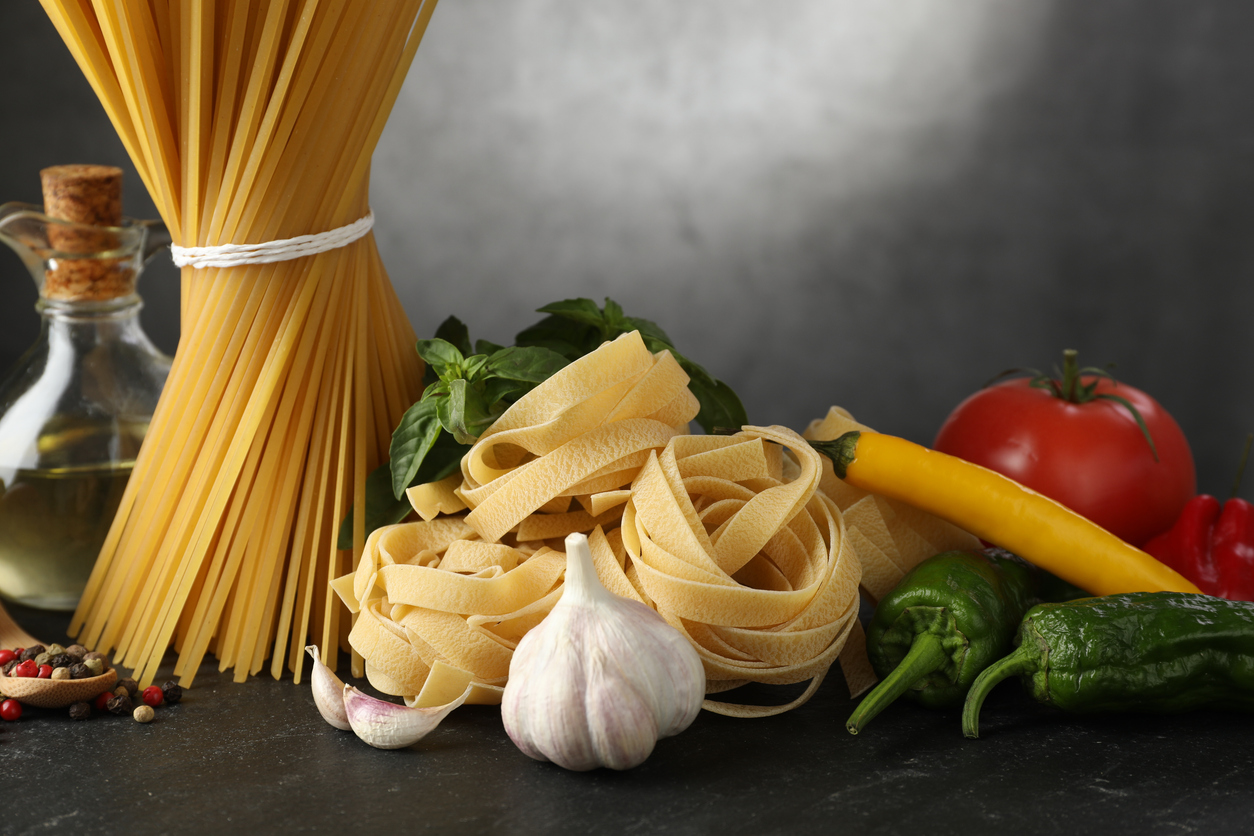
China has become a major global supplier of food products, including pasta, offering competitive pricing, large-scale production, and diverse product options. For importers, wholesalers, and distributors across Africa and other emerging markets, sourcing pasta from China presents a practical opportunity to meet growing consumer demand while maintaining cost efficiency.
However, navigating international sourcing, quality control, logistics, and compliance can be complex. This is where an experienced partner like Wigmore Trading plays a critical role in ensuring a smooth and reliable supply chain.
Why Source Pasta from China?
China’s food manufacturing sector has expanded significantly in recent years, with many producers adhering to international quality and safety standards. For businesses looking to scale their food imports, several advantages stand out:
1. Competitive Pricing
Chinese manufacturers benefit from economies of scale, allowing them to offer pasta products at lower costs compared to many European suppliers.
2. Wide Product Range
Importers can access various pasta types, including spaghetti, macaroni, penne, instant pasta, and specialty or fortified options tailored to different markets.
3. Customisation Options
Many suppliers offer private labeling, packaging customization, and branding options, making it easier for distributors to build their own product lines.
4. High Production Capacity
Large-scale factories ensure consistent supply, which is essential for wholesalers and FMCG distributors operating in fast-moving markets.
Key Considerations When Importing Pasta
While sourcing pasta from China offers clear benefits, businesses must carefully manage several factors to avoid disruptions:
Quality Assurance
Ensuring the pasta meets food safety standards and quality expectations is critical. This includes checking ingredients, shelf life, packaging integrity, and certifications such as ISO or HACCP.
Supplier Verification
Working with verified and reputable manufacturers reduces the risk of fraud, substandard products, or inconsistent supply.
Regulatory Compliance
Importers must comply with local food regulations, labeling requirements, and customs documentation in their destination country.
Shipping and Storage
Pasta is a dry product but still requires proper handling to prevent moisture exposure and maintain quality during transit.
The Export Process: From China to Your Market
Exporting pasta from China involves several structured steps:
- Supplier Selection – Identifying reliable manufacturers with proven export experience.
- Product Sampling – Evaluating product quality before placing bulk orders.
- Contract Negotiation – Agreeing on pricing, lead times, packaging, and specifications.
- Production & Quality Inspection – Monitoring production and conducting pre-shipment inspections.
- Documentation & Compliance – Preparing invoices, certificates, and export documentation.
- Shipping & Logistics – Managing freight forwarding, customs clearance, and delivery.
Each stage requires attention to detail, especially when dealing with food products and cross-border regulations.
Common Challenges in Pasta Importation
Despite the opportunities, businesses often face challenges when importing pasta from China:
- Inconsistent product quality across batches
- Delays in production or shipping
- Difficulty verifying supplier credibility
- Complex customs procedures and documentation
- Lack of visibility across the supply chain
Without proper oversight, these issues can lead to financial losses, stock shortages, or reputational damage.
How Wigmore Trading Supports Your Imports
Wigmore Trading provides end-to-end support for businesses looking to buy and export pasta from China efficiently and reliably. Their expertise helps mitigate risks and streamline operations.
Supplier Sourcing and Verification
Wigmore Trading connects clients with vetted manufacturers, ensuring product quality and reliability from the outset.
Quality Control and Inspection
Pre-shipment inspections and quality checks help ensure that the pasta meets agreed specifications and international standards.
Logistics and Freight Management
From shipping coordination to customs clearance, Wigmore Trading manages the entire logistics process, reducing delays and unexpected costs.
Regulatory Compliance Support
Navigating food import regulations can be complex. Wigmore Trading assists with documentation and compliance requirements to ensure smooth entry into your market.
Supply Chain Efficiency
By handling sourcing, coordination, and delivery, Wigmore Trading allows businesses to focus on distribution, sales, and growth.
Market Opportunities in Africa
Demand for affordable and convenient food products like pasta continues to grow across African markets due to urbanisation, changing diets, and increasing population. Importers and distributors can benefit from:
- Expanding retail and supermarket chains
- Rising demand for packaged FMCG products
- Opportunities for private label brands
- Strong margins through cost-effective sourcing
By leveraging reliable supply chains from China, businesses can position themselves competitively in these fast-growing markets.
Conclusion
Importing pasta from China offers a strategic advantage for businesses seeking cost-effective, scalable, and diverse food supply options. However, success depends on careful supplier selection, quality control, regulatory compliance, and efficient logistics.
Partnering with an experienced sourcing and logistics provider helps reduce risks and ensures consistency across the supply chain. Wigmore Trading provides the expertise and infrastructure needed to simplify the process and support long-term growth.
Wigmore Trading can help. Contact Wigmore Trading today to streamline your sourcing.



Comments are closed.