
Buy and Export Rice from China with Wigmore Trading

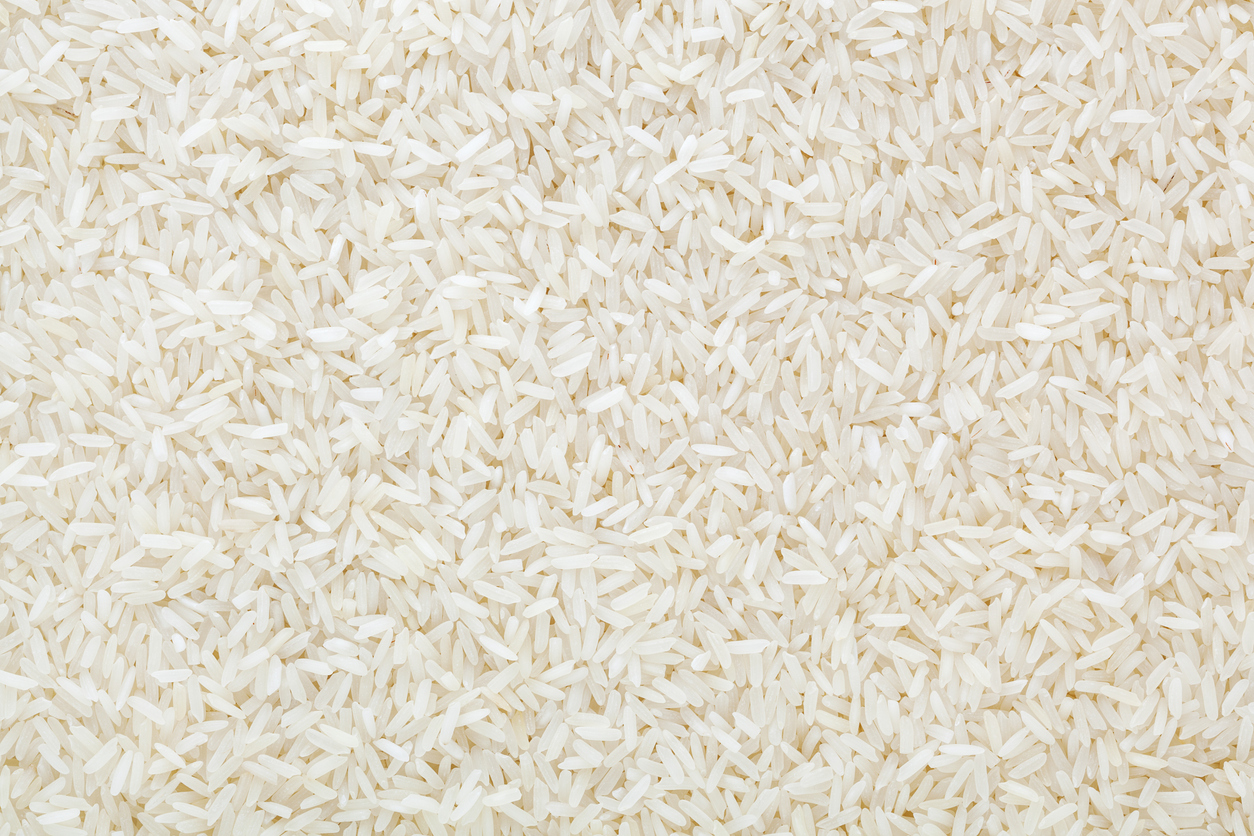
China is one of the world’s largest producers and exporters of rice, offering a wide range of varieties at competitive prices. For importers, wholesalers, and distributors—particularly across Africa—sourcing and exporting rice from China presents a strong commercial opportunity. However, navigating supplier verification, quality control, logistics, and compliance requires a structured and informed approach.
This guide explains how businesses can efficiently export rice from China while minimizing risk and optimizing supply chain performance.
Why Source Rice from China?
China’s rice industry benefits from advanced agricultural systems, large-scale production capacity, and established export infrastructure. This allows international buyers to access:
- Consistent supply volumes suitable for wholesale and distribution
- Competitive pricing due to economies of scale
- Diverse rice varieties, including long-grain, jasmine-style, and parboiled rice
- Established export networks with global shipping capabilities
For African importers, this makes China a reliable sourcing destination for meeting growing consumer demand in FMCG markets.
Key Considerations When Exporting Rice from China
While the opportunity is strong, several critical factors must be managed carefully to ensure a successful transaction.
1. Supplier Verification
One of the most common challenges in sourcing from China is identifying legitimate and reliable suppliers. Not all exporters meet international quality or compliance standards.
Businesses should:
- Verify business licenses and export certifications
- Request product samples before committing to bulk orders
- Conduct factory audits or third-party inspections
Wigmore Trading supports supplier sourcing and verification, helping businesses connect with vetted manufacturers and reduce the risk of fraud or substandard goods.
2. Quality Assurance and Standards
Rice quality can vary significantly depending on origin, processing methods, and storage conditions. Importers must define clear specifications, including:
- Grain type and length
- Moisture content
- Broken percentage
- Packaging requirements
Pre-shipment inspections are essential to confirm that goods meet agreed standards before export. Wigmore Trading facilitates quality control processes, ensuring that shipments align with buyer expectations and regulatory requirements.
3. Packaging and Labelling Compliance
Different markets have specific packaging and labeling regulations. For example, many African countries require:
- Clear product labeling (origin, weight, expiry date)
- Compliance with local food safety standards
- Appropriate packaging for transport and storage conditions
Failure to meet these requirements can lead to delays, fines, or rejected shipments. Working with an experienced trade partner helps ensure compliance from the outset.
4. Logistics and Freight Management
Shipping rice from China involves multiple logistics considerations, including:
- Choice of shipping method (sea freight is most common)
- Container optimization (e.g., 20ft or 40ft containers)
- Port selection and transit times
- Customs clearance procedures
Delays or inefficiencies in logistics can significantly impact costs and delivery timelines. Wigmore Trading provides end-to-end logistics coordination, ensuring smooth movement of goods from supplier to destination.
5. Import Regulations and Duties
Each destination country has its own import regulations, tariffs, and documentation requirements. Importers must prepare:
- Commercial invoices
- Packing lists
- Bill of lading
- Certificates of origin and quality
Understanding these requirements is critical to avoiding customs delays. Wigmore Trading assists businesses in navigating compliance and documentation, reducing administrative burden.
Step-by-Step Process to Export Rice from China
To streamline operations, businesses can follow a structured process:
- Define Requirements
Identify rice type, quantity, quality specifications, and target price. - Source Reliable Suppliers
Engage verified exporters with proven track records. - Negotiate Terms
Agree on pricing, payment terms, and delivery conditions (e.g., FOB, CIF). - Conduct Quality Checks
Arrange inspections before shipment. - Arrange Logistics
Book freight, manage documentation, and coordinate shipping. - Handle Customs Clearance
Ensure compliance with both export and import regulations. - Final Delivery and Distribution
Transport goods to warehouses or distribution networks.
Wigmore Trading can manage each stage of this process, allowing businesses to focus on sales and market expansion rather than operational complexities.
Opportunities in African Markets
Demand for rice continues to grow across Africa due to population growth, urbanization, and changing consumption patterns. Many countries rely heavily on imports to meet local demand, creating strong opportunities for traders who can establish reliable supply chains.
By exporting rice from China, businesses can:
- Maintain consistent inventory levels
- Offer competitive pricing to local markets
- Scale operations efficiently
Partnering with a logistics and sourcing expert ensures that supply remains stable even in volatile market conditions.
Conclusion
Exporting rice from China offers significant potential for importers and distributors, but success depends on careful supplier selection, quality control, logistics planning, and regulatory compliance. Businesses that take a structured approach can reduce risks and build sustainable trade operations.
Wigmore Trading provides comprehensive support across sourcing, quality assurance, logistics, and compliance, helping businesses streamline their supply chains and scale efficiently.
Wigmore Trading can help. Contact Wigmore Trading today to streamline your sourcing.






Comments are closed.