
Understanding Venezuela Trade Compliance: Key Requirements for Importers and Exporters

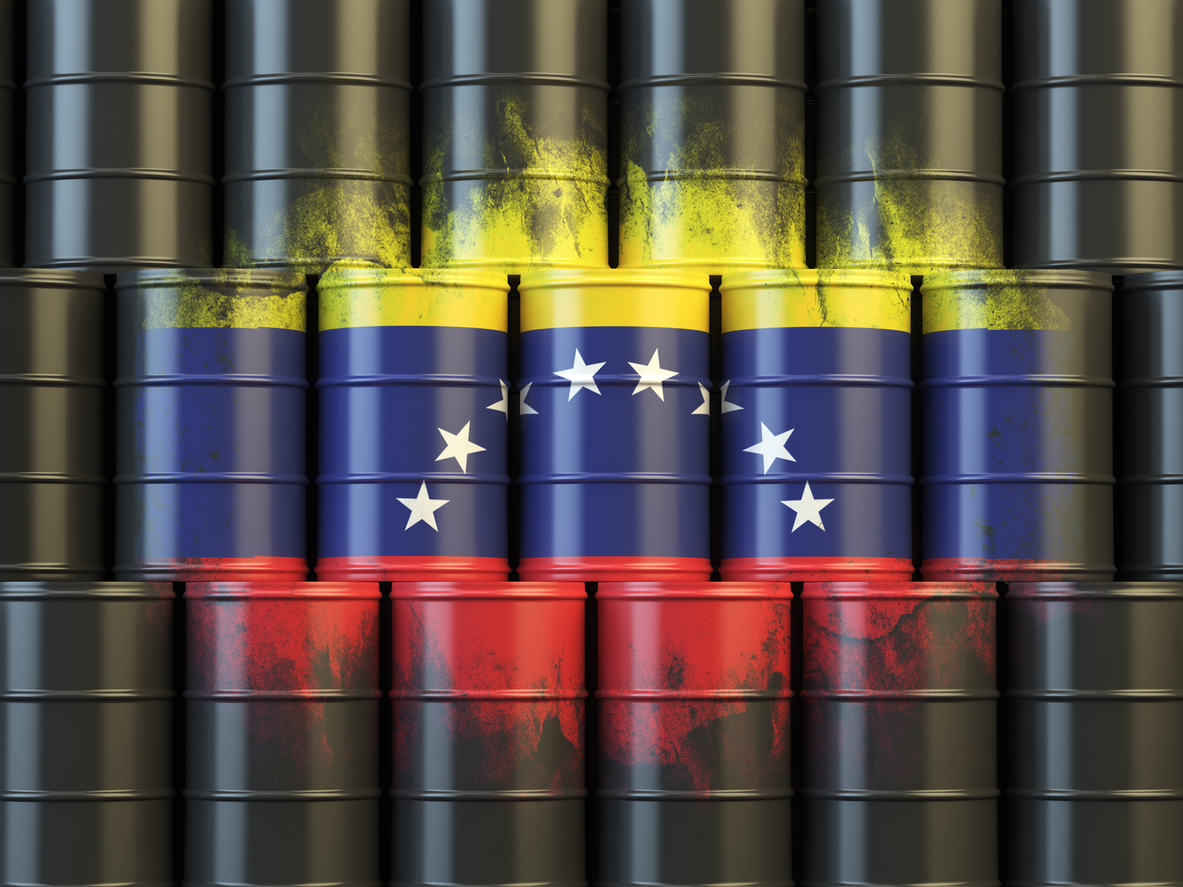
Navigating Venezuela trade compliance is increasingly complex due to evolving sanctions, regulatory changes, and economic conditions. For businesses involved in import/export, wholesale distribution, and logistics—particularly those operating between Africa and Latin America—understanding compliance requirements is essential to avoid legal, financial, and operational risks.
This guide outlines the key compliance considerations and how companies can structure safe and efficient trade operations.
The Importance of Venezuela Trade Compliance in Global Trade
Venezuela remains a resource-rich market with opportunities in oil, agriculture, and consumer goods. However, its trade environment is shaped by international sanctions, government controls, and regulatory uncertainty.
Sanctions imposed by the United States, European Union, and other jurisdictions target specific individuals, entities, and sectors—especially finance and energy. Businesses must ensure they do not transact with sanctioned parties or restricted industries .
Failure to comply can result in:
- Heavy fines and penalties
- Frozen assets or blocked payments
- Reputational damage and loss of trading privileges
Key Sanctions and Regulatory Considerations
1. Sanctions Screening and Due Diligence
A critical component of Venezuela trade compliance is denied party screening. Companies must verify that trading partners are not listed on sanctions registers such as the Specially Designated Nationals (SDN) list.
Sanctions frameworks restrict:
- Transactions with government-linked entities
- Dealings with sanctioned banks or oil companies
- US dollar transactions involving restricted parties
Robust due diligence processes are essential before entering any transaction.
2. Export Controls and Licensing Requirements
Certain goods—especially technology, machinery, and dual-use items—are subject to strict export controls. In many cases, exporters must obtain licenses before shipping goods to Venezuela.
For example:
- Dual-use goods fall under export control regulations such as EAR
- Defence-related items are generally prohibited under international arms embargoes
Businesses must carefully classify products and determine whether licensing is required before shipment.
3. Documentation and Customs Compliance
Proper documentation is vital for smooth trade operations. Typical requirements include:
- Commercial invoices
- Certificates of origin
- Bills of lading
- Import/export permits
Due to Venezuela’s evolving regulatory environment, documentation requirements can change frequently, increasing the risk of delays or penalties .
Operational Challenges in Venezuela Trade Compliance
Changing Regulations and Political Risk
Venezuela’s regulatory framework is highly dynamic. Sanctions policies and local laws can shift quickly, requiring businesses to continuously monitor updates.
Recent developments show a partial easing of some restrictions, but sanctions remain largely in place, creating a complex and fluid compliance environment .
Currency Controls and Payment Barriers
Strict currency controls can affect:
- Payment processing
- Profit repatriation
- Pricing strategies
These controls complicate international transactions and require careful financial planning.
Supply Chain and Logistics Risks
Security concerns, infrastructure limitations, and compliance checks can disrupt supply chains. Additionally, attempts to bypass sanctions—such as informal shipping practices—pose significant legal risks.
Companies must prioritise transparency and traceability across logistics operations.
Best Practices for Ensuring Venezuela Trade Compliance
To manage risks effectively, businesses should adopt structured compliance strategies:
- Implement internal compliance programmes to monitor regulatory changes
- Conduct enhanced due diligence on all partners and transactions
- Use reliable logistics and documentation processes
- Seek expert legal or trade advisory support when needed
- Maintain audit trails for all trade activities
Working with experienced trade partners can significantly reduce compliance risks.
How Wigmore Trading Supports Compliant Trade Operations
Operating in complex markets like Venezuela requires strong local expertise and global compliance capabilities. Wigmore Trading supports businesses by:
- Conducting supplier verification and due diligence
- Managing end-to-end logistics with compliance oversight
- Assisting with documentation and customs processes
- Providing guidance on regulatory requirements and risk mitigation
By leveraging established networks and compliance frameworks, Wigmore Trading helps businesses navigate challenging trade environments efficiently and responsibly.
Conclusion
Understanding Venezuela trade compliance is essential for any company looking to engage in this market. While opportunities exist, they are accompanied by significant regulatory and operational risks.
Businesses that prioritise due diligence, documentation accuracy, and regulatory awareness are better positioned to succeed while avoiding costly penalties.
Wigmore Trading can help. Contact Wigmore Trading today to streamline your sourcing.





Comments are closed.