
Venezuela Oil Trading: Key Challenges, Opportunities, and Supply Chain Insights

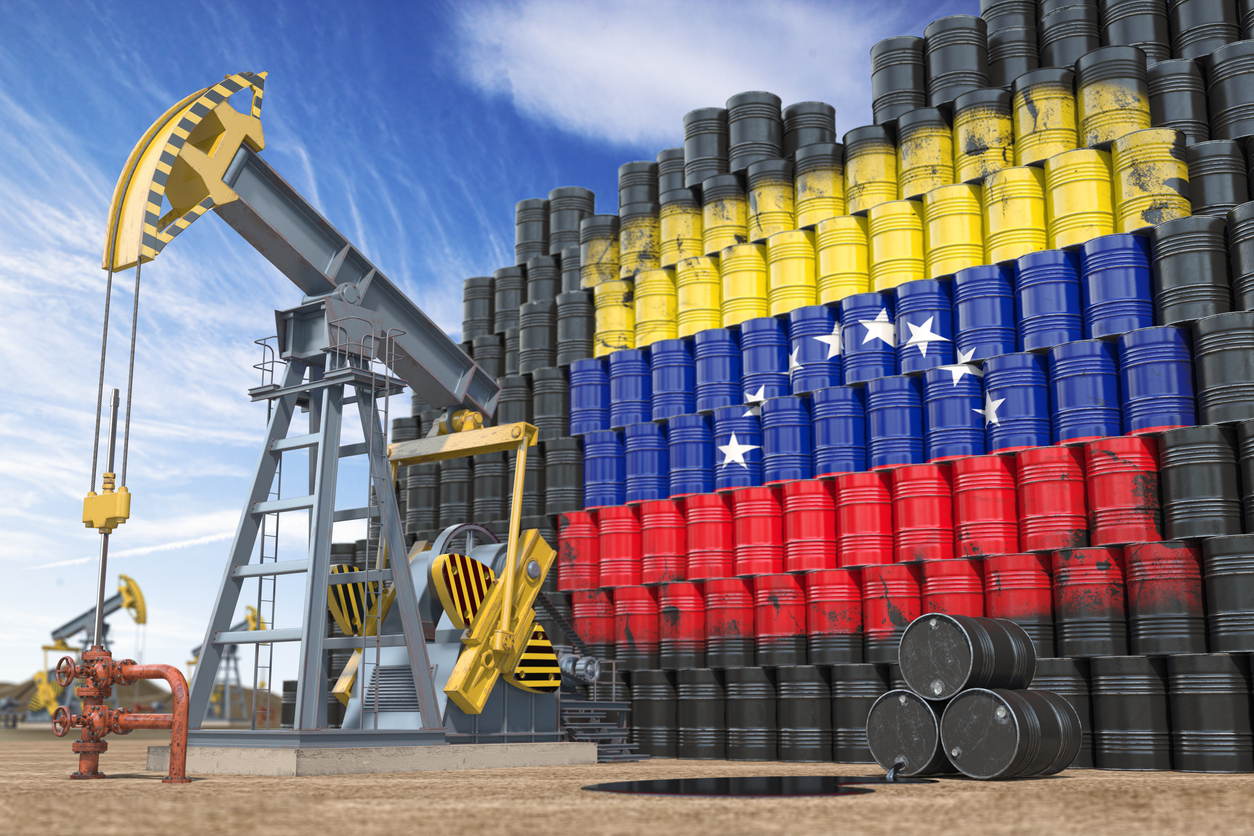
Venezuela oil trading remains a strategically important segment of the global energy market due to the country’s vast reserves. Venezuela holds approximately 303 billion barrels of proven oil reserves—the largest in the world—making it a significant long-term supplier despite current production limitations.
However, Venezuela’s actual output is far below its potential. Production has declined significantly over the past decade, with exports dropping sharply due to infrastructure decay, sanctions, and operational inefficiencies.
For traders, importers, and distributors, this creates a complex but potentially lucrative trading environment.
Key Characteristics of Venezuela Oil Trading
Heavy Crude and Processing Requirements
A defining feature of Venezuela oil trading is the nature of its crude. Much of Venezuela’s oil is extra-heavy and high in sulfur, requiring blending with lighter hydrocarbons or specialized refining processes before export.
This increases:
- Transportation complexity
- Refining costs
- Dependence on external inputs such as diluents
As a result, only certain refineries—primarily in the US, Asia, and parts of Europe—are equipped to handle Venezuelan crude efficiently.
Shifting Trade Routes
Due to sanctions and geopolitical changes, Venezuela’s oil exports have shifted significantly:
- China has become a major destination under structured agreements
- The US market has fluctuated depending on sanctions policy
- New opportunities are emerging in Europe and developing markets
For African importers and distributors, these shifting routes create opportunities to diversify supply sources.
Major Challenges in Venezuela Oil Trading
1. Infrastructure and Supply Chain Constraints
Venezuela’s oil sector is fundamentally a supply chain challenge rather than just a production issue. Years of underinvestment have weakened:
- Port infrastructure
- Pipeline systems
- Storage and export facilities
This leads to delays, inefficiencies, and higher logistics costs.
2. Political and Regulatory Risks
Sanctions and political instability continue to shape Venezuela oil trading:
- Trade restrictions affect financing and insurance
- Compliance requirements vary across jurisdictions
- Legal risks impact contracts and payments
Businesses involved in trading must ensure strict compliance and risk management.
3. Limited Production Capacity
Despite vast reserves, Venezuela produces less than 1% of global oil supply due to:
- Aging infrastructure
- Loss of skilled workforce
- Capital shortages
Recovery is possible but will require long-term investment and international partnerships.
Opportunities in Venezuela Oil Trading
Growing Demand for Heavy Crude
Heavy crude remains essential for producing diesel and industrial fuels. As global refining capacity adjusts, Venezuelan oil can fill supply gaps—especially where compatible refineries exist.
Emerging Trade Partnerships
Recent developments suggest that international traders and logistics firms are re-entering the Venezuelan oil market, capitalising on potential regulatory easing and price advantages.
This creates opportunities for:
- Commodity traders
- Bulk fuel importers
- Regional distributors in Africa and beyond
Strategic Supply Diversification
For African economies facing fuel price volatility, Venezuela oil trading can offer:
- Alternative sourcing options
- Competitive pricing for heavy crude
- Reduced reliance on traditional suppliers
The Role of Logistics and Supply Chain Management
Efficient logistics is critical in Venezuela oil trading due to the complexity of handling heavy crude and navigating regulatory constraints.
Key requirements include:
- Reliable shipping and tanker coordination
- Storage and blending capabilities
- Compliance with international trade laws
- End-to-end supply chain visibility
This is where experienced trade partners play a vital role.
How Wigmore Trading Supports Venezuela Oil Trading
Navigating Venezuela oil trading requires expertise in sourcing, logistics, and compliance. Wigmore Trading supports businesses by:
- Facilitating reliable sourcing from global oil markets
- Managing complex logistics and shipping requirements
- Ensuring compliance with international regulations
- Providing supply chain solutions tailored to African markets
For importers and distributors, working with an experienced partner helps reduce risk while improving efficiency and cost control.
Conclusion
Venezuela oil trading presents a unique combination of opportunity and complexity. While the country holds unmatched oil reserves, challenges related to infrastructure, political risk, and crude quality continue to shape the market.
For businesses in Africa and emerging markets, the key to success lies in:
- Understanding the technical and logistical requirements
- Managing regulatory risks effectively
- Partnering with experienced trade and logistics providers
With the right approach, Venezuela oil trading can become a valuable component of a diversified energy sourcing strategy.






Comments are closed.