
Pipeline Integrity in Venezuela: Challenges, Risks, and Industry Solutions

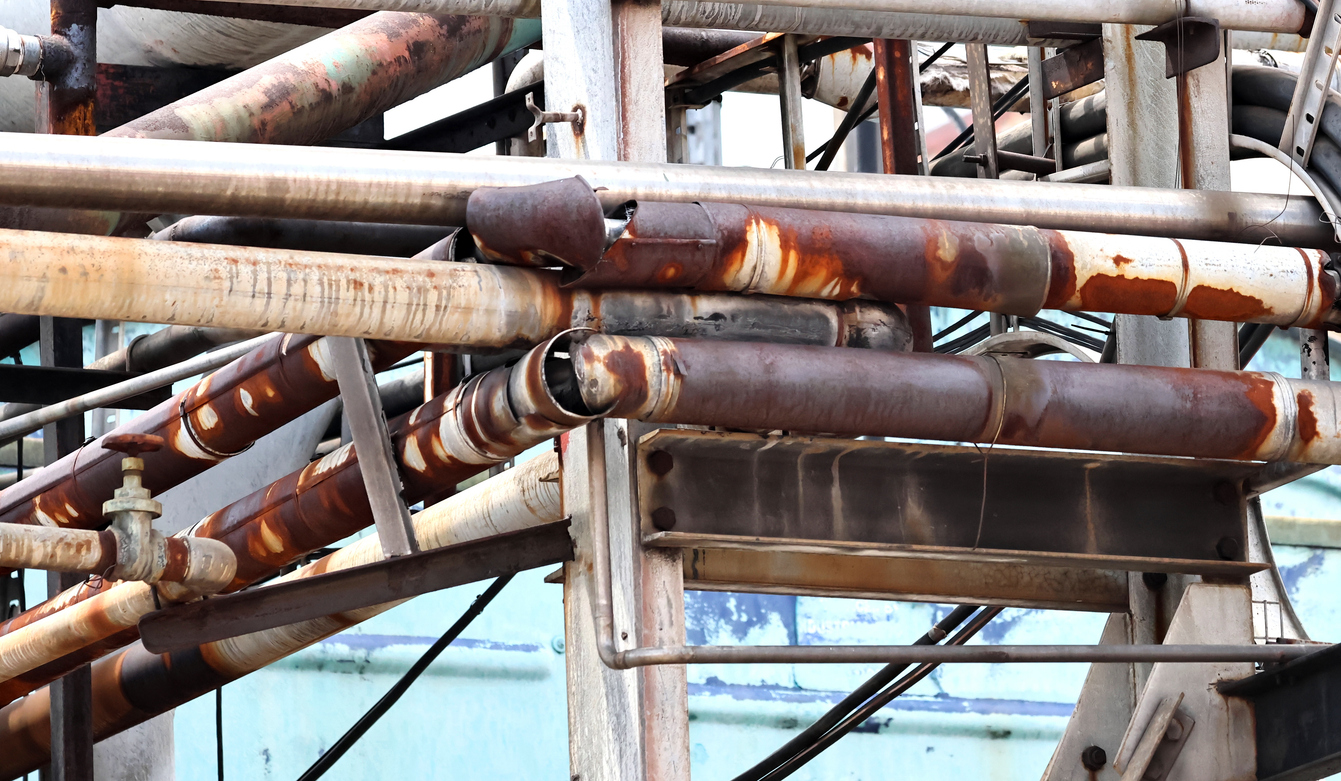
Venezuela holds the world’s largest proven oil reserves, yet its ability to transport crude efficiently is heavily constrained by deteriorating infrastructure. Pipeline integrity in Venezuela has become a critical issue affecting production, exports, environmental safety, and long-term investment viability.
This article explores the current state of pipeline integrity, key risks, and practical solutions for rebuilding reliable oil transport systems.
Understanding Pipeline Integrity in Venezuela
Pipeline integrity refers to the ability of pipeline systems to operate safely, efficiently, and without leaks or failures over time. In Venezuela, this is particularly important due to the country’s reliance on pipelines to move heavy crude from inland fields to refineries and export terminals.
The country operates an extensive network of pipelines spanning thousands of kilometres, forming the backbone of its oil logistics system. However, much of this infrastructure is decades old and increasingly unreliable.
Key Challenges Affecting Pipeline Integrity in Venezuela
1. Aging Infrastructure and Corrosion
A significant portion of Venezuela’s pipelines are over 50 years old, making them highly vulnerable to corrosion and structural failure.
- Frequent leaks and ruptures
- Reduced pressure and flow efficiency
- Increased maintenance requirements
Corrosion has also contributed to environmental incidents, including oil spills in sensitive ecosystems such as Lake Maracaibo.
2. Lack of Maintenance and Investment
Years of underinvestment and limited access to equipment have resulted in poor pipeline upkeep.
- Deferred maintenance programmes
- Shortages of spare parts
- Limited inspection and monitoring
This has led to pipeline leaks, pressure losses, and inconsistent crude transportation.
3. Heavy Crude Transport Challenges
Venezuela’s oil is predominantly extra-heavy crude, which does not flow easily through pipelines without blending agents (diluents).
- Increased strain on pipelines
- Higher risk of blockages
- Dependence on imported diluents
Without proper handling, heavy crude can reduce pipeline efficiency and accelerate wear.
4. Operational and Workforce Constraints
The loss of skilled technical personnel has weakened operational oversight.
- Reduced inspection accuracy
- Delayed repairs
- Inefficient system management
Combined with power outages and equipment failures, these issues further compromise pipeline integrity.
5. Supply Chain and Logistics Breakdown
Pipeline integrity problems are part of a broader supply chain challenge.
Venezuela’s oil sector is not just facing production issues but a full-scale logistics breakdown, where infrastructure inefficiencies limit export capacity and reliability.
Impact of Poor Pipeline Integrity
Economic Consequences
- Reduced oil production and export volumes
- Increased operational costs
- Delays in supply chain execution
Environmental Risks
- Oil spills and contamination
- Damage to marine and land ecosystems
- Long-term remediation costs
Investment Barriers
- High risk for international investors
- Increased capital requirements for rehabilitation
- Slower recovery of the oil sector
Pipeline Integrity Venezuela: Practical Solutions
1. Pipeline Integrity Management Systems (PIMS)
Implementing structured Pipeline Integrity Management Systems can significantly improve safety and performance.
Key components include:
- Regular inspections (inline inspection tools, smart pigs)
- Corrosion monitoring systems
- Risk-based maintenance planning
2. Rehabilitation and Replacement Programs
Strategic replacement of critical pipeline segments is essential.
- Prioritising high-risk areas
- Upgrading materials to corrosion-resistant alloys
- Expanding capacity where needed
3. Digital Monitoring and Predictive Maintenance
Modern technologies can transform pipeline operations:
- Real-time monitoring sensors
- AI-driven predictive maintenance
- Leak detection systems
These tools help prevent failures before they occur, reducing downtime and environmental risk.
4. Strengthening Supply Chain Infrastructure
Improving pipeline integrity must go hand-in-hand with broader logistics upgrades:
- Reliable storage and terminal facilities
- Efficient export loading systems
- Integrated transport planning
This ensures consistent flow from production to export markets.
5. International Partnerships and Expertise
Rebuilding Venezuela’s pipeline infrastructure requires:
- Foreign investment
- Technical expertise
- Access to modern equipment
Collaboration with global logistics and supply chain partners can accelerate recovery.
The Role of Strategic Trade and Logistics Partners
Addressing pipeline integrity challenges is not solely an engineering issue—it is a supply chain and logistics challenge.
Companies operating in global energy and commodity markets require reliable partners to:
- Source equipment and materials
- Manage international procurement
- Coordinate transport and distribution
- Ensure compliance with regulatory standards
Wigmore Trading supports businesses across complex markets by facilitating sourcing, logistics coordination, and supply chain optimisation. In environments like Venezuela, where infrastructure challenges are significant, such support can help reduce operational risk and improve efficiency.
Conclusion
Pipeline integrity in Venezuela remains one of the most critical barriers to restoring the country’s oil industry. Aging infrastructure, lack of maintenance, and logistical inefficiencies have created significant operational and environmental risks.
However, with targeted investment, modern technology, and strong supply chain partnerships, these challenges can be addressed. Improving pipeline integrity will be central to unlocking Venezuela’s full production and export potential.
Wigmore Trading can help.





Comments are closed.