
Gas Turbines in Venezuela: Market Challenges, Opportunities, and Supply Chain Insights

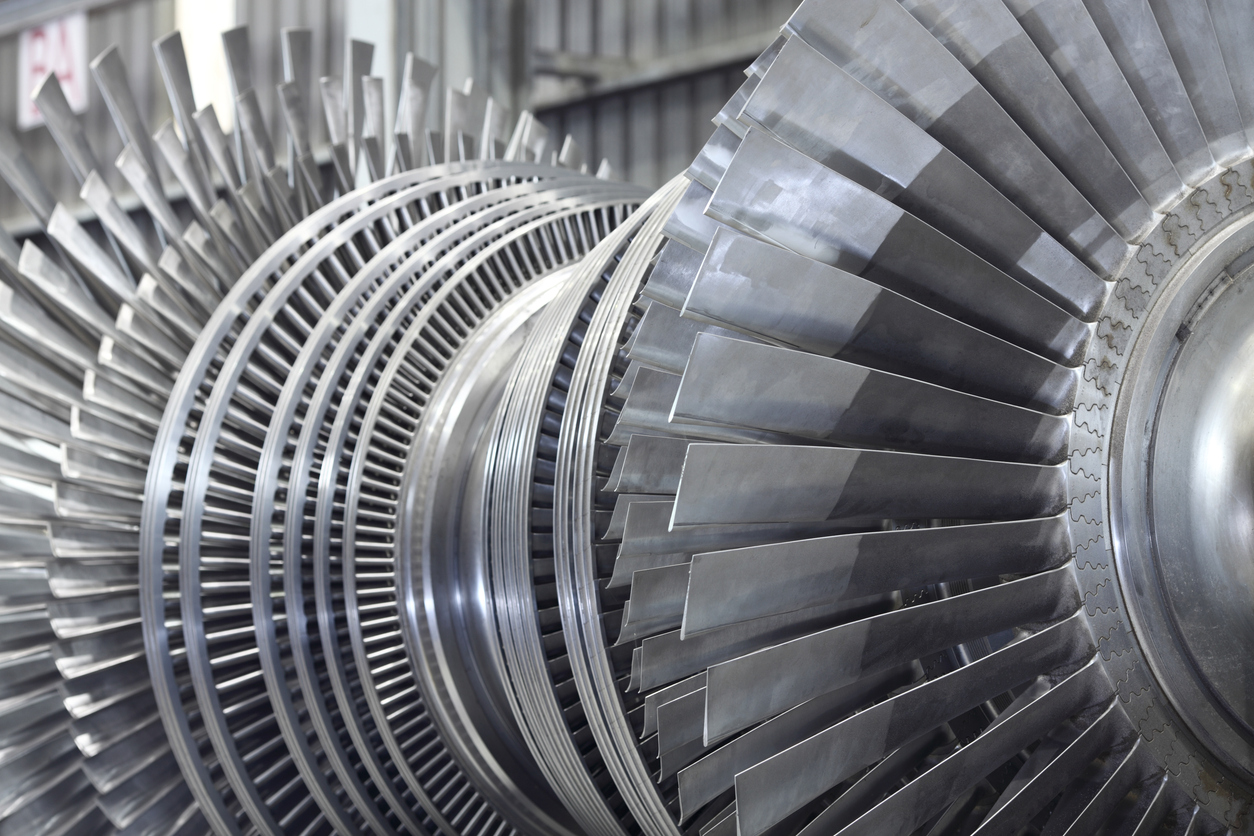
Gas turbines in Venezuela play a critical role in supporting the country’s electricity generation and industrial operations. As Venezuela continues to navigate energy shortages, ageing infrastructure, and fluctuating economic conditions, gas turbine technology has become increasingly important for improving efficiency, reliability, and flexibility in power generation.
For international suppliers, distributors, and logistics partners, understanding the dynamics of this market is essential—particularly when considering sourcing, compliance, and delivery into a complex operating environment.
The Role of Gas Turbines in Venezuela’s Energy Sector
Venezuela’s energy mix is heavily dominated by oil and natural gas, with gas accounting for a significant share of total energy supply. Gas turbines are widely used in thermal power plants and industrial facilities to convert natural gas into electricity efficiently.
These systems are particularly valuable because they:
- Provide fast and flexible power generation
- Support grid stability during peak demand
- Complement hydropower, which is a major electricity source in Venezuela
In addition, gas turbines are essential for “black start” capabilities—helping restore power after outages, a recurring issue in the country’s grid.
Market Demand and Import Trends
Despite domestic energy resources, Venezuela relies on imports to meet its gas turbine needs. In 2024, the country imported approximately $23.1 million worth of gas turbines, primarily from the United States, Spain, and Canada.
This import dependency highlights several key realities:
- Limited local manufacturing capacity
- High demand for specialised turbine components and parts
- Ongoing need for maintenance, upgrades, and replacements
For global suppliers and distributors, this creates opportunities in equipment supply, spare parts, and technical services.
Challenges Facing Gas Turbines in Venezuela
1. Ageing Infrastructure
A major issue affecting gas turbines in Venezuela is the deterioration of energy infrastructure due to years of underinvestment and poor maintenance. Many existing turbines operate below capacity or require refurbishment.
2. Political and Economic Constraints
Sanctions, currency instability, and regulatory complexities have significantly impacted the energy sector. These factors:
- Limit foreign investment
- Disrupt procurement processes
- Increase risks in cross-border trade
3. Power Supply Instability
Frequent blackouts and unreliable grid performance reduce efficiency and discourage large-scale industrial investment. This increases the need for reliable gas turbine systems but also complicates deployment.
4. Skills and Technical Gaps
A shortage of skilled labour and technical expertise has further slowed maintenance and installation of advanced turbine systems.
Emerging Opportunities in the Market
Modernisation and Upgrades
There is a clear need to modernise Venezuela’s power generation infrastructure. Combined-cycle gas turbine plants—known for higher efficiency—are gaining attention as a cost-effective solution.
Energy Diversification
While oil remains dominant, there is growing interest in diversifying the energy mix. Gas turbines can support this transition by:
- Integrating with renewable energy systems
- Providing backup power for solar and wind projects
Maintenance and Aftermarket Services
With ageing equipment, demand for spare parts, repair services, and technical support is rising. This creates opportunities for suppliers specialising in lifecycle management.
Supply Chain and Logistics Considerations
Supplying gas turbines in Venezuela requires careful planning due to logistical and regulatory challenges. Key considerations include:
- Customs compliance and documentation
- Shipping routes and port access
- Currency and payment risks
- Local partnerships for distribution and installation
This is where experienced trade and logistics partners become essential.
Wigmore Trading supports businesses by facilitating sourcing, coordinating international shipments, and ensuring compliance with import regulations in complex markets like Venezuela. By leveraging established supplier networks and logistics expertise, companies can reduce risk and improve delivery timelines.
Best Practices for Businesses Entering the Market
To successfully operate in the Venezuelan gas turbine sector, businesses should:
- Conduct thorough risk assessments before market entry
- Partner with reliable local and international logistics providers
- Focus on aftermarket services and long-term maintenance contracts
- Ensure compliance with international sanctions and trade regulations
A strategic, well-informed approach is critical to navigating this challenging yet potentially rewarding market.
Conclusion
Gas turbines in Venezuela remain a vital component of the country’s energy infrastructure, offering solutions to power shortages and supporting industrial operations. While the market presents significant challenges—including infrastructure decay, regulatory complexity, and economic instability—it also offers opportunities in modernisation, maintenance, and supply chain support.
For companies looking to enter or expand in this sector, working with experienced trade partners can make a substantial difference. Wigmore Trading can help streamline sourcing, logistics, and compliance processes, enabling businesses to operate more efficiently in complex international markets.






Comments are closed.