
Customs Broker in Venezuela: A Complete Guide for Importers and Exporters


Navigating international trade in Venezuela can be complex due to evolving regulations, documentation requirements, and strict customs controls. For businesses involved in import/export, working with a customs broker in Venezuela is essential to ensure compliance, avoid delays, and optimise supply chain efficiency.
This guide explains the role of customs brokers, the import process, key challenges, and how businesses can streamline operations.
What Does a Customs Broker in Venezuela Do?
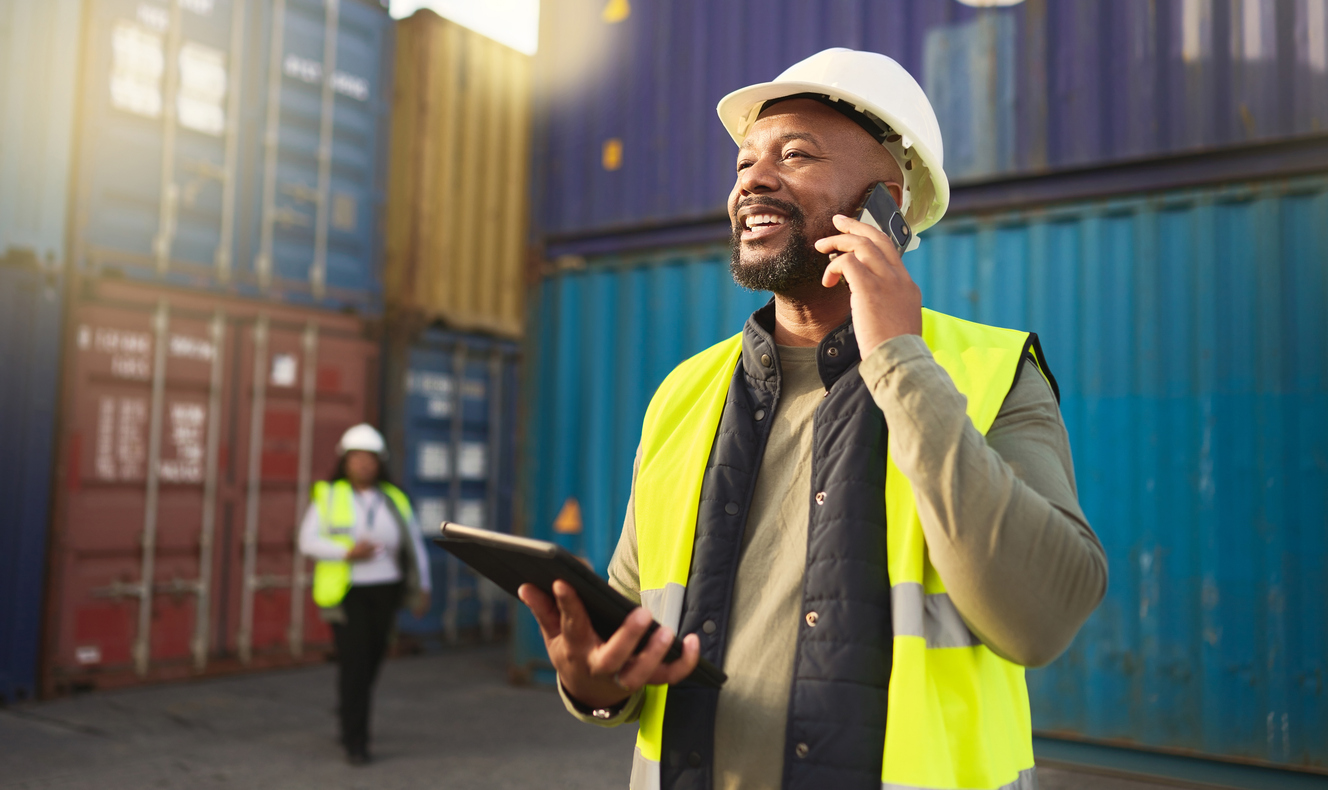
A customs broker is a licensed professional authorised to manage the clearance of goods through customs on behalf of importers and exporters. In Venezuela, brokers operate under the authority of SENIAT (Servicio Nacional Integrado de Administración Aduanera y Tributaria), the country’s customs and tax authority.
Key Responsibilities
- Preparing and submitting import/export documentation
- Classifying goods using HS codes
- Calculating duties, taxes, and fees
- Liaising with customs authorities for inspections
- Ensuring compliance with local regulations
- Coordinating cargo release and delivery
Customs brokers play a critical role in preventing shipment delays, fines, or confiscation due to documentation errors or non-compliance.
Understanding the Import Process in Venezuela
Importing goods into Venezuela involves several steps, each requiring accuracy and regulatory compliance.
1. Import Authorisation
Businesses must obtain the necessary permits before shipping goods. Without proper approval, shipments may be delayed or rejected.
2. Documentation Preparation
Typical documents include:
- Commercial invoice
- Bill of lading or airway bill
- Import permit
- Certificate of origin
- Product-specific certifications
Incomplete or inaccurate documentation is one of the most common causes of customs delays.
3. Customs Declaration and Inspection
All shipments are reviewed by SENIAT, and most are physically inspected. Venezuela is known for rigorous customs checks to prevent fraud and smuggling.
4. Duties and Taxes Payment
Import duties typically range between 0% and 35%, depending on the product category, with additional VAT and other charges applied.
5. Cargo Release
Once duties are paid and compliance is confirmed, goods are released and can proceed to final delivery.
Why You Need a Customs Broker in Venezuela
Regulatory Complexity
Venezuela’s import regulations can change frequently, and compliance requirements are strict. A customs broker ensures all procedures are correctly followed.
Risk Reduction
Errors in classification or valuation can lead to penalties, shipment seizures, or increased costs.
Faster Clearance
Experienced brokers streamline the process, reducing port delays and storage costs.
Cost Optimisation
By applying correct tariff classifications and leveraging exemptions where applicable, brokers help manage import costs effectively.
Common Challenges in Venezuelan Customs Clearance
1. Complex Documentation Requirements
Even minor errors can result in delays or additional inspections.
2. Frequent Inspections
Most shipments are subject to physical checks, increasing clearance time.
3. Changing Regulations
Tariff structures and compliance rules may shift based on economic conditions.
4. Logistics Constraints
Port congestion, infrastructure limitations, and security concerns can impact delivery timelines.
How to Choose the Right Customs Broker in Venezuela
When selecting a customs broker, consider the following:
- Licensing and accreditation with SENIAT
- Proven experience in your industry (FMCG, industrial goods, etc.)
- Strong local network and port presence
- Ability to handle end-to-end logistics
- Transparent pricing and communication
Established brokers often provide additional services such as freight forwarding, cargo handling, and inland transportation, helping streamline the entire supply chain.
The Role of Integrated Supply Chain Partners
While a local customs broker is essential, international businesses benefit from working with a broader logistics and sourcing partner.
Wigmore Trading supports companies by:
- Sourcing goods from reliable global suppliers
- Managing shipping and freight logistics
- Coordinating with trusted customs brokers in destination markets
- Ensuring compliance with international trade regulations
- Providing end-to-end supply chain visibility
By combining local expertise with global logistics support, businesses can reduce risk and improve operational efficiency.
Best Practices for Importing into Venezuela
To ensure smooth operations:
- Prepare all documentation well in advance
- Work with experienced customs brokers
- Stay updated on regulatory changes
- Classify goods accurately using HS codes
- Factor in inspection and clearance timelines
Proactive planning is key to avoiding costly disruptions.
Conclusion
Working with a customs broker in Venezuela is essential for any business involved in international trade. With strict regulations, detailed documentation requirements, and frequent inspections, expert guidance can make the difference between smooth operations and costly delays.
By partnering with experienced brokers and leveraging integrated logistics support, businesses can navigate Venezuela’s trade environment more efficiently and confidently.
Wigmore Trading can help. Contact Wigmore Trading today to streamline your sourcing and logistics operations.


Comments are closed.