
Food Wholesale Suppliers in Nigeria: A Complete Guide for Businesses

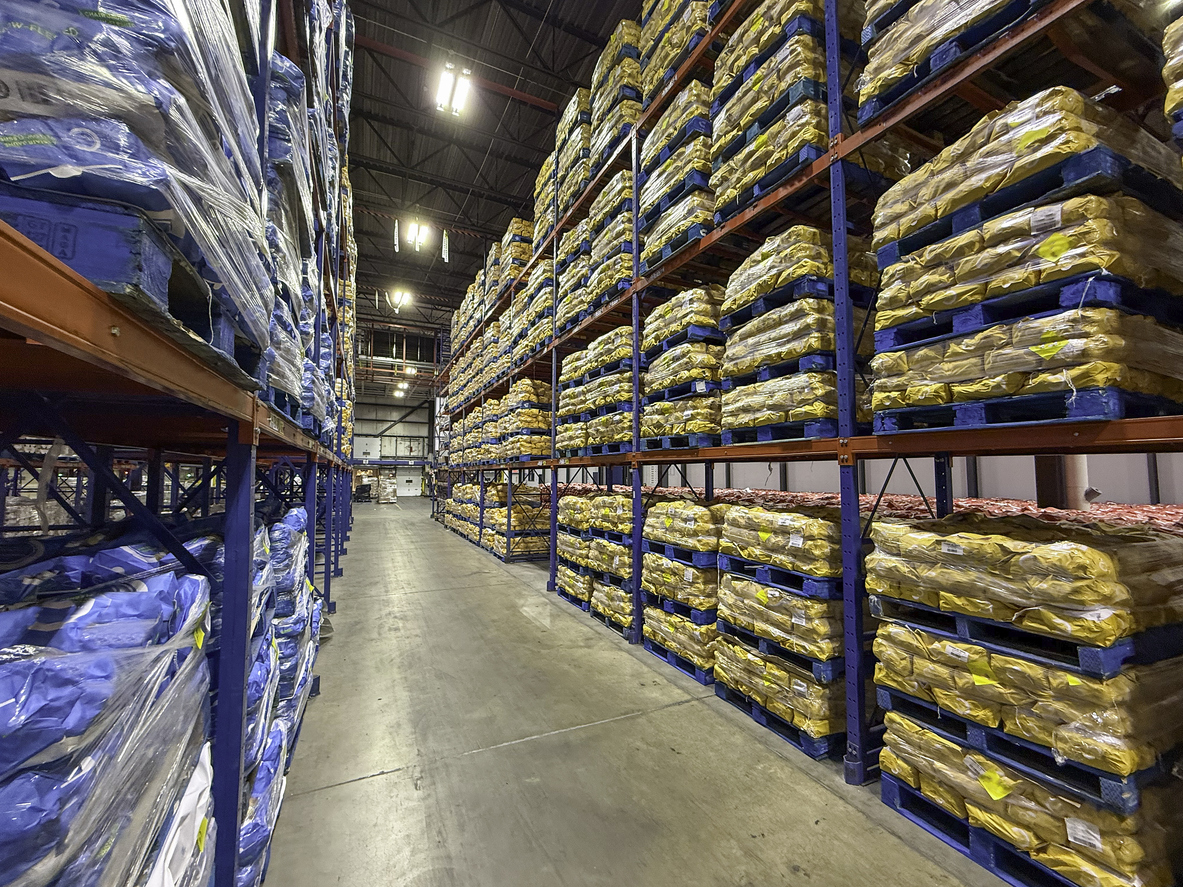
Nigeria’s food supply chain is one of the largest and most dynamic in Africa, driven by rapid population growth, urbanisation, and increasing demand for fast-moving consumer goods (FMCG). For retailers, distributors, hospitality businesses, and manufacturers, working with reliable food wholesale suppliers in Nigeria is essential to maintaining consistent stock levels, controlling costs, and ensuring product quality.
However, sourcing food products at scale in Nigeria comes with challenges—ranging from fragmented supply chains to logistics inefficiencies and regulatory requirements. This guide explores how businesses can navigate the wholesale food market effectively and highlights how experienced partners like Wigmore Trading can support efficient sourcing and distribution.
Understanding the Food Wholesale Market in Nigeria
Nigeria’s food wholesale sector spans a wide range of products, including:
- Staple foods (rice, flour, grains)
- Packaged goods (beverages, snacks, canned foods)
- Frozen foods (meat, poultry, seafood)
- Fresh produce (fruits and vegetables)
- Imported specialty items
Wholesale suppliers typically operate through:
- Large distribution hubs (e.g., Lagos, Kano, Port Harcourt)
- Open markets and aggregation centers
- Import-based supply chains
- Direct manufacturer partnerships
Due to this diversity, businesses must carefully evaluate suppliers based on reliability, pricing, and supply consistency.
Key Challenges When Working with Food Wholesale Suppliers
1. Inconsistent Supply Chains
Many suppliers rely on informal networks, which can lead to:
- Stock shortages
- Delayed deliveries
- Fluctuating product quality
For businesses operating at scale, these inconsistencies can disrupt operations and affect customer satisfaction.
2. Price Volatility
Food prices in Nigeria are influenced by:
- Exchange rate fluctuations (for imported goods)
- Seasonal agricultural output
- Transportation and fuel costs
Without a structured procurement strategy, businesses may struggle to maintain stable margins.
3. Logistics and Distribution Issues
Transporting food products across Nigeria presents logistical challenges such as:
- Poor road infrastructure in some regions
- Limited cold chain capacity for perishables
- High last-mile delivery costs
4. Regulatory and Compliance Requirements
Food products—especially imports—must comply with regulations from agencies like:
- NAFDAC (National Agency for Food and Drug Administration and Control)
- SON (Standards Organisation of Nigeria)
Failure to meet these requirements can result in delays, fines, or product seizures.
What to Look for in Food Wholesale Suppliers in Nigeria
Choosing the right supplier is critical. Businesses should evaluate suppliers based on the following criteria:
Reliability and Consistency
A good supplier should provide:
- Stable inventory levels
- Predictable delivery timelines
- Consistent product quality
Product Range
Working with suppliers that offer a wide range of products reduces the need to manage multiple vendors and simplifies procurement.
Competitive Pricing
Bulk purchasing should come with cost advantages. Transparent pricing structures help businesses plan more effectively.
Logistics Capability
Suppliers with integrated logistics solutions can:
- Reduce delivery times
- Minimise product damage
- Improve overall supply chain efficiency
Compliance and Documentation
Ensure that suppliers provide:
- Proper import/export documentation
- Regulatory certifications
- Traceability of goods
The Role of Importation in Nigeria’s Food Supply
A significant portion of Nigeria’s food supply—especially processed and packaged goods—is imported. This makes import expertise a key factor when selecting food wholesale suppliers in Nigeria.
Imported goods often include:
- Frozen poultry and seafood
- Dairy products
- Packaged snacks and beverages
- Specialty ingredients
However, importing food products requires:
- Knowledge of customs procedures
- Compliance with NAFDAC regulations
- Efficient port clearance processes
This is where working with an experienced trading and logistics partner becomes valuable.
How Wigmore Trading Supports Food Wholesale Supply Chains
Wigmore Trading plays a strategic role in helping businesses overcome common sourcing and distribution challenges in Nigeria’s food sector.
1. Sourcing from Verified Global and Local Suppliers
Wigmore Trading connects businesses with reliable manufacturers and producers, ensuring:
- High-quality products
- Competitive pricing
- Consistent supply
This reduces the risks associated with fragmented supplier networks.
2. Import and Export Expertise
For businesses that rely on imported food products, Wigmore Trading provides:
- End-to-end import management
- Customs clearance support
- Regulatory compliance guidance
This helps avoid delays and ensures products reach the market efficiently.
3. Efficient Logistics and Distribution
Wigmore Trading offers integrated logistics solutions, including:
- Warehousing
- Transportation
- Last-mile delivery
This is particularly important for perishable goods that require careful handling and timely distribution.
4. Supply Chain Optimisation
By streamlining procurement and logistics processes, Wigmore Trading helps businesses:
- Reduce operational costs
- Improve inventory management
- Enhance overall supply chain reliability
Benefits of Working with Established Food Wholesale Partners
Partnering with structured and experienced suppliers provides several advantages:
Improved Operational Efficiency
Reliable suppliers reduce the time spent managing multiple vendors and resolving supply issues.
Better Cost Control
Bulk purchasing and stable pricing help businesses maintain predictable margins.
Enhanced Product Quality
Working with verified suppliers ensures that products meet required standards and customer expectations.
Scalability
As businesses grow, having a dependable wholesale partner makes it easier to expand operations without supply disruptions.
Trends Shaping Food Wholesale in Nigeria
1. Growth of Modern Retail
Supermarkets and e-commerce platforms are increasing demand for structured wholesale supply chains.
2. Increased Demand for Imported Goods
Urban consumers are driving demand for international food products, creating opportunities for import-focused wholesalers.
3. Investment in Cold Chain Logistics
Improved cold storage and transportation are helping expand the market for frozen and perishable foods.
4. Digital Procurement Platforms
Technology is gradually improving transparency and efficiency in sourcing and supplier management.
Practical Tips for Businesses
To successfully work with food wholesale suppliers in Nigeria, businesses should:
- Diversify supplier networks to reduce risk
- Establish long-term contracts where possible
- Monitor market prices regularly
- Invest in proper storage and inventory systems
- Partner with experienced logistics and trading companies
These steps can significantly improve supply chain stability and business performance.
Conclusion
Nigeria’s food wholesale sector offers significant opportunities, but it also requires careful navigation of supply chain complexities, pricing fluctuations, and regulatory requirements. Businesses that prioritise reliability, logistics efficiency, and compliance are better positioned to succeed.
Working with experienced partners can make a substantial difference. Wigmore Trading supports businesses by simplifying sourcing, managing imports, and optimising distribution—helping companies operate more efficiently in a competitive market.
Wigmore Trading can help. Contact Wigmore Trading today to streamline your sourcing.






Comments are closed.