
Bulk Food Suppliers in Nigeria: A Guide for Businesses and Retailers

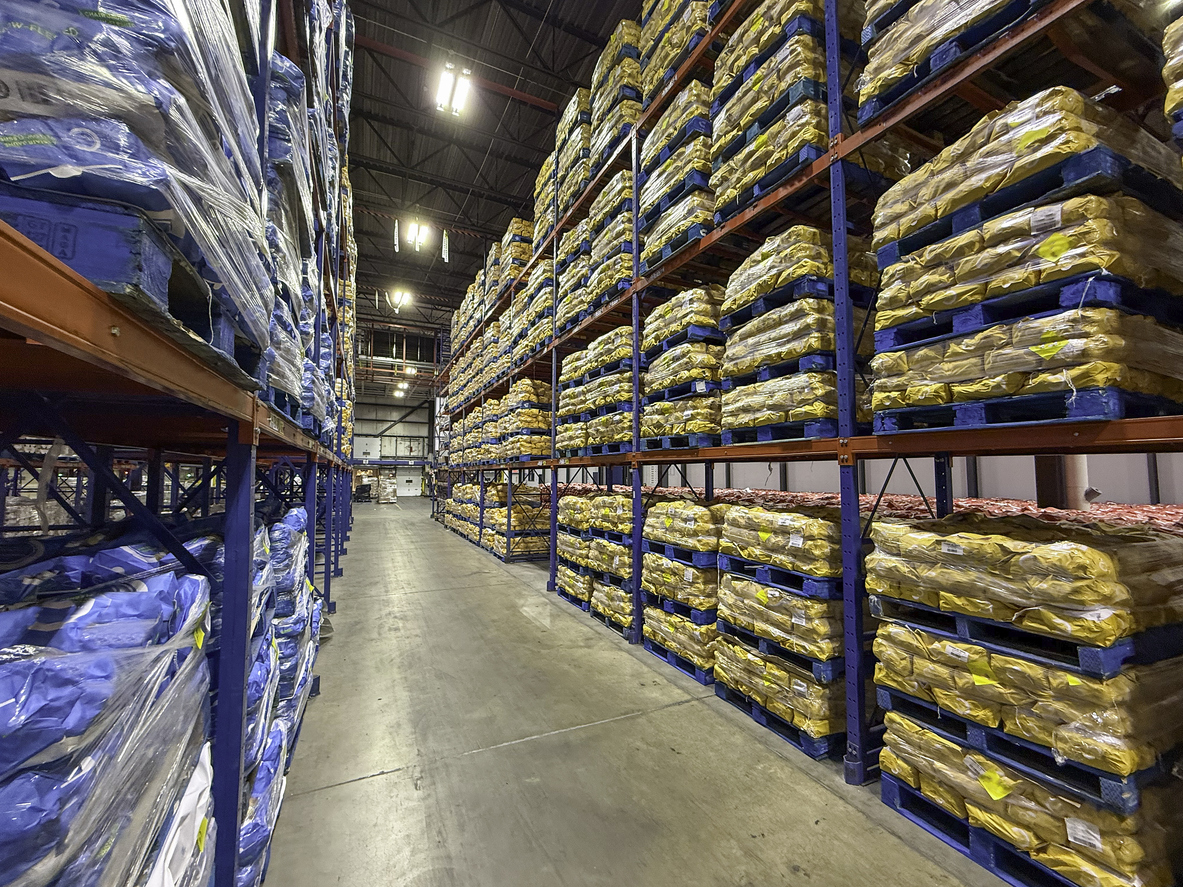
Nigeria’s growing population and expanding retail sector have significantly increased demand for reliable bulk food suppliers. From supermarkets and distributors to restaurants and FMCG businesses, sourcing food products in large quantities is essential for maintaining consistent supply and competitive pricing.
Understanding how to identify dependable bulk food suppliers in Nigeria can help businesses reduce costs, improve efficiency, and maintain product quality across their operations.
Understanding the Bulk Food Supply Market in Nigeria
Nigeria’s food supply chain is diverse, consisting of local producers, wholesalers, importers, and distributors. Key bulk food categories include:
- Rice, beans, and grains
- Flour and wheat products
- Cooking oil and sugar
- Frozen foods and poultry
- Packaged FMCG food items
Many businesses rely on a combination of locally sourced goods and imported products to meet demand. However, challenges such as inconsistent supply, fluctuating prices, and logistics constraints often affect procurement.
Key Factors When Choosing Bulk Food Suppliers
Selecting the right supplier is critical for long-term business success. Businesses should consider the following:
1. Product Quality and Consistency
Consistency is essential in bulk purchasing. Suppliers should meet quality standards and provide uniform products across orders.
2. Pricing and Cost Efficiency
Competitive pricing directly impacts profit margins. Reliable suppliers offer transparent pricing structures and stable rates over time.
3. Supply Reliability
Frequent stock shortages can disrupt operations. Businesses should work with suppliers who maintain steady inventory levels and dependable delivery schedules.
4. Compliance and Certifications
Food safety regulations and import requirements must be met. Suppliers should comply with Nigerian regulatory bodies such as NAFDAC and SON.
5. Logistics and Distribution Capability
Efficient transportation and storage are key. Suppliers with strong logistics networks can ensure timely delivery and reduce spoilage.
Common Challenges in Bulk Food Sourcing
Despite the opportunities, businesses sourcing bulk food in Nigeria often face several issues:
Supply Chain Disruptions
Poor infrastructure and transportation delays can lead to inconsistent supply.
Price Volatility
Food prices can fluctuate due to currency changes, import costs, and seasonal factors.
Quality Control Issues
Inconsistent handling and storage can affect product quality, especially for perishable goods.
Limited Supplier Transparency
Some suppliers lack clear documentation, making it difficult to verify product origin and compliance.
Practical Solutions for Businesses
To overcome these challenges, businesses can adopt strategic sourcing practices:
- Diversify suppliers to reduce dependency on a single source
- Establish long-term partnerships for better pricing and reliability
- Invest in proper storage facilities to maintain product quality
- Work with experienced sourcing partners who understand local and international markets
Partnering with an experienced company like Wigmore Trading can help streamline procurement. With expertise in sourcing, logistics, and compliance, Wigmore Trading supports businesses in accessing reliable bulk food suppliers while managing the complexities of the supply chain.
The Role of Importation in Bulk Food Supply
Nigeria relies on imports for several staple food products, including rice, wheat, and frozen foods. Importing in bulk can provide cost advantages, but it also involves:
- Customs clearance procedures
- Regulatory compliance
- Currency risk management
- Freight and shipping coordination
Businesses without in-house expertise may face delays or additional costs. Working with a logistics and sourcing partner ensures smoother import processes and reduced risk.
Wigmore Trading assists businesses by handling end-to-end importation, from supplier sourcing to delivery, helping companies maintain steady inventory levels.
Distribution and Wholesale Opportunities
The demand for bulk food distribution continues to grow across Nigeria, particularly in urban centers like Lagos, Abuja, and Port Harcourt. Wholesale businesses can benefit from:
- High demand from retailers and food service providers
- Opportunities to expand into regional markets
- Increased demand for packaged and branded food products
Efficient distribution networks are essential to capitalise on these opportunities. Businesses that invest in logistics and reliable supplier relationships are better positioned to scale.
Conclusion
Finding dependable bulk food suppliers in Nigeria is essential for businesses operating in retail, hospitality, and FMCG sectors. By focusing on quality, pricing, compliance, and logistics, companies can build resilient supply chains and maintain consistent operations.
Strategic partnerships and professional sourcing support can significantly reduce risks and improve efficiency. Wigmore Trading can help businesses navigate sourcing challenges, manage logistics, and ensure access to trusted suppliers across local and international markets.
Contact Wigmore Trading today to streamline your sourcing.





Comments are closed.