
Food Logistics in Nigeria: Challenges, Solutions, and Opportunities

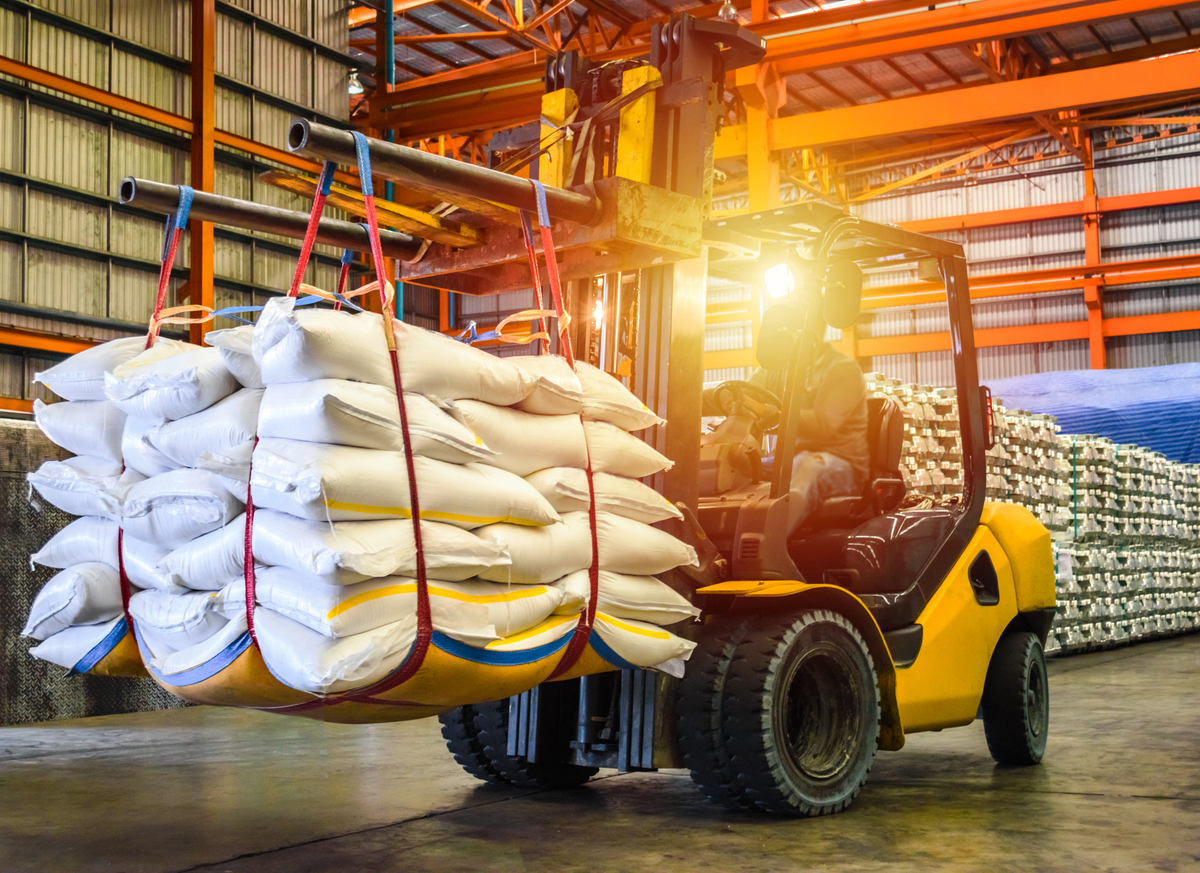
Nigeria’s food supply chain is one of the most dynamic in Africa, driven by a growing population, expanding urban centres, and increasing demand for fast-moving consumer goods (FMCG). However, food logistics in Nigeria remains a complex process shaped by infrastructure gaps, regulatory requirements, and supply chain inefficiencies. For businesses involved in importation, wholesale distribution, and retail, understanding these logistics challenges—and how to address them—is critical for success.
Understanding Food Logistics in Nigeria
Food logistics refers to the storage, transportation, and distribution of food products from producers or importers to end consumers. In Nigeria, this includes both locally sourced agricultural goods and imported food items such as grains, frozen foods, packaged goods, and beverages.
The sector involves multiple stakeholders:
- Importers and exporters
- Freight forwarders and logistics providers
- Warehousing and cold chain operators
- Wholesale distributors and retailers
Efficient coordination between these players ensures food quality, safety, and timely delivery across the country.
Key Challenges in Food Logistics in Nigeria
1. Infrastructure Limitations
Nigeria’s transport infrastructure presents a major hurdle. Poor road conditions, congestion at ports, and limited rail connectivity often lead to delays and increased costs. For perishable goods, even minor delays can result in significant losses.
2. Inadequate Cold Chain Systems
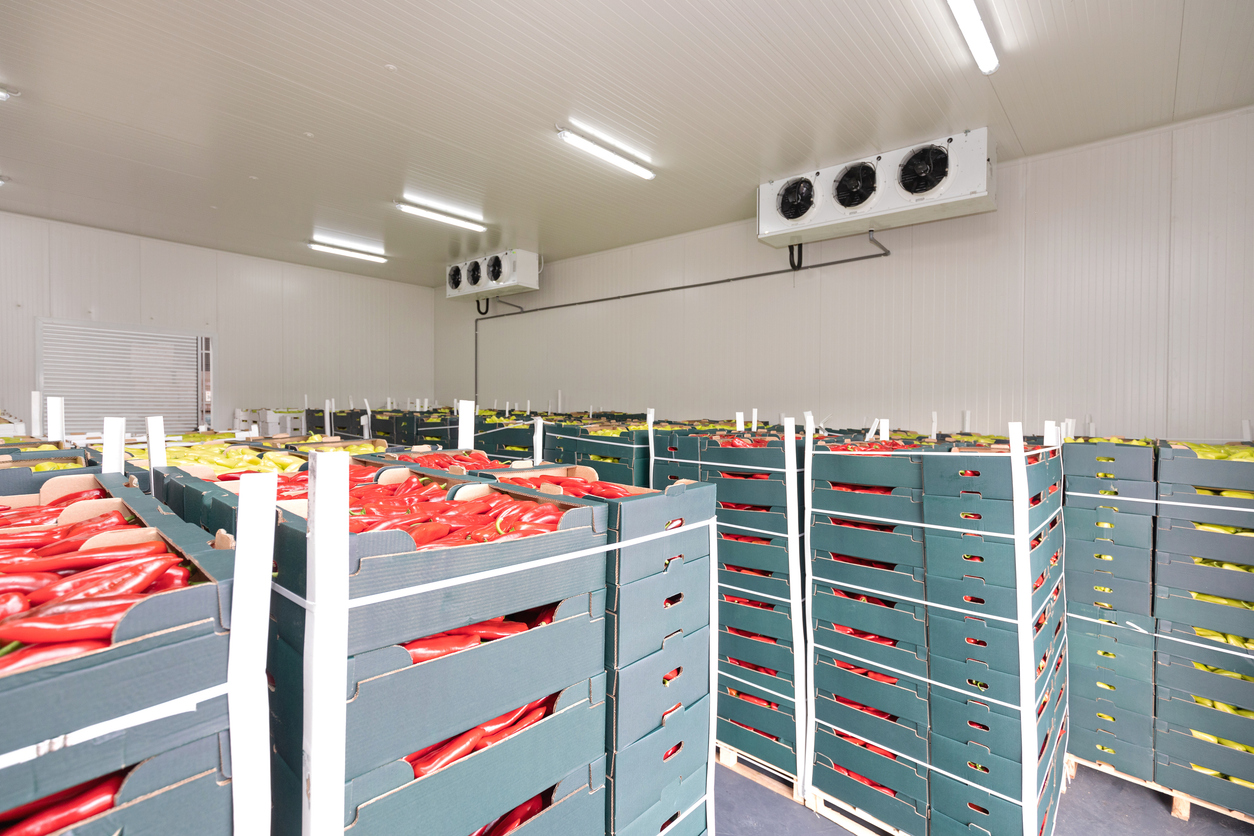
Temperature-sensitive products such as frozen foods, dairy, and pharmaceuticals require reliable cold storage and refrigerated transport. However, cold chain infrastructure in Nigeria is still developing, leading to spoilage and reduced product quality.
3. Port Congestion and Customs Delays
Importers frequently face delays at major ports like Apapa and Tin Can Island. Inefficient customs processes, documentation issues, and congestion can disrupt supply chains and increase demurrage costs.
4. Regulatory Compliance
Food imports must meet standards set by regulatory bodies such as NAFDAC and SON. Navigating these requirements can be complex, especially for new market entrants.
5. Fragmented Distribution Networks
The distribution landscape is highly fragmented, with many small-scale distributors operating independently. This can lead to inefficiencies, inconsistent pricing, and limited market reach.
Practical Solutions for Improving Food Logistics
Investing in Efficient Supply Chain Planning
Businesses can mitigate delays by adopting better planning and forecasting tools. Accurate demand forecasting reduces overstocking and understocking, ensuring smoother distribution.
Leveraging Reliable Logistics Partners
Working with experienced logistics providers helps streamline transportation, warehousing, and customs clearance. This is particularly important for importers handling high volumes or perishable goods.
Improving Cold Chain Capabilities
Investing in refrigerated trucks and temperature-controlled storage facilities is essential for maintaining product integrity. Partnerships with established cold chain providers can also bridge infrastructure gaps.
Digitalisation and Tracking
Modern logistics systems that offer real-time tracking and inventory management improve transparency and efficiency. Businesses can monitor shipments, anticipate delays, and respond proactively.
The Role of Wigmore Trading in Food Logistics
Navigating food logistics in Nigeria requires expertise, local knowledge, and reliable partnerships. Wigmore Trading supports businesses across the supply chain by providing:
- Sourcing and Procurement: Access to high-quality food products from global and local suppliers
- Importation and Customs Handling: Efficient management of documentation and regulatory compliance
- Warehousing and Distribution: Secure storage and nationwide delivery solutions
- Supply Chain Management: End-to-end coordination to reduce delays and costs
By integrating these services, Wigmore Trading helps businesses overcome logistical challenges and maintain consistent product availability in the Nigerian market.
Opportunities in Nigeria’s Food Logistics Sector
Despite its challenges, Nigeria’s food logistics sector offers significant growth potential. Rising urbanisation, increasing consumer demand for packaged foods, and the expansion of modern retail channels are driving improvements in logistics infrastructure.
Additionally, government initiatives aimed at improving port efficiency and transportation networks are expected to enhance supply chain performance over time. Businesses that invest in efficient logistics systems and strategic partnerships are well-positioned to capitalise on these opportunities.
Conclusion
Food logistics in Nigeria is a critical component of the country’s economic and commercial landscape. While challenges such as infrastructure limitations, regulatory complexities, and cold chain gaps persist, practical solutions and strategic partnerships can significantly improve efficiency.
For businesses looking to optimise their operations, working with experienced partners can make a measurable difference in cost control, compliance, and delivery timelines. Wigmore Trading can help. Contact Wigmore Trading today to streamline your sourcing.



Comments are closed.