
Food Distribution Solutions in Nigeria: Improving Efficiency Across the Supply Chain

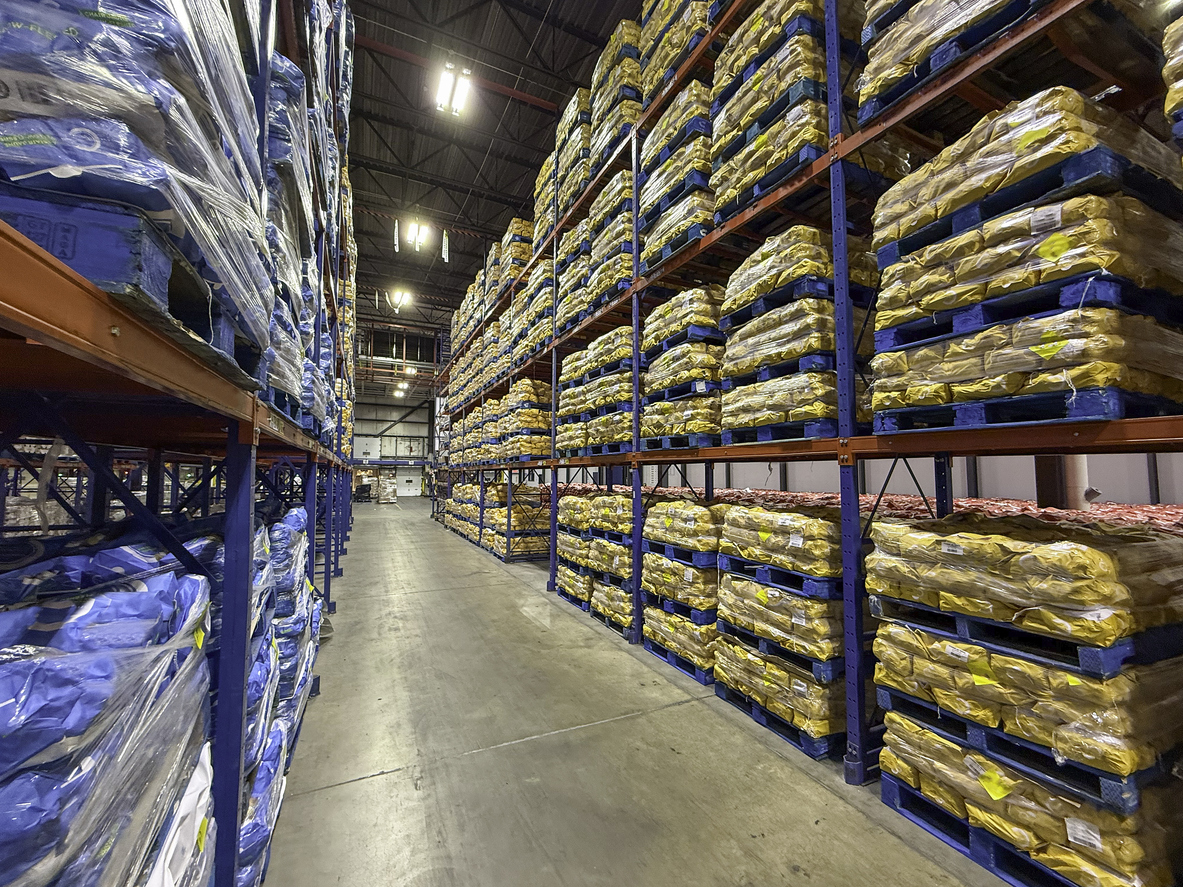
Nigeria’s food supply chain is one of the largest and most complex in Africa, driven by a growing population, expanding urban centres, and increasing demand for both local and imported food products. However, inefficiencies in logistics, storage, and distribution continue to affect availability, pricing, and product quality.
Effective food distribution solutions in Nigeria are essential for businesses seeking to scale operations, reduce waste, and ensure consistent product delivery across the country.
Understanding the Food Distribution Landscape in Nigeria
Nigeria’s food distribution system involves multiple stakeholders, including farmers, importers, wholesalers, distributors, and retailers. Products often travel long distances from rural production areas or international ports to urban markets such as Lagos, Abuja, and Port Harcourt.
Despite strong demand, the sector faces persistent challenges:
- Poor transportation infrastructure in certain regions
- Limited cold chain and storage facilities
- Fragmented supply chains with multiple intermediaries
- Regulatory and compliance requirements for imported goods
- High post-harvest losses, especially for perishable items
Addressing these issues requires structured and scalable distribution strategies.
Key Components of Effective Food Distribution Solutions in Nigeria
1. Reliable Logistics and Transportation Networks
Efficient transportation is the backbone of food distribution. Businesses must ensure that goods move quickly and safely from ports or farms to warehouses and final markets.
Modern distribution solutions involve:
- Optimised route planning to reduce delays
- Use of reliable trucking networks
- Integration of port clearance and inland transportation
Working with experienced logistics providers helps reduce bottlenecks and ensures timely delivery, particularly for imported FMCG products.
2. Warehousing and Inventory Management
Storage plays a critical role in maintaining product quality and managing supply levels. In Nigeria, inadequate warehousing contributes significantly to food spoilage and stock inconsistencies.
Effective solutions include:
- Strategically located warehouses near key markets
- Temperature-controlled storage for perishable goods
- Real-time inventory tracking systems
Professional distribution partners can help businesses manage stock efficiently while reducing losses and ensuring product availability.
3. Cold Chain Infrastructure for Perishable Goods
Perishable food items such as dairy, frozen foods, and fresh produce require specialised handling. Without proper cold chain systems, product quality deteriorates rapidly.
Developing cold chain capabilities involves:
- Refrigerated transportation
- Cold storage facilities
- Continuous temperature monitoring
For importers and distributors, investing in cold chain logistics is essential to maintain compliance and meet consumer expectations.
4. Regulatory Compliance and Import Coordination
Food distribution in Nigeria is closely regulated, particularly for imported products. Businesses must comply with standards set by agencies such as NAFDAC and customs authorities.
Key compliance considerations include:
- Product registration and certification
- Proper documentation for imports
- Adherence to food safety standards
A structured approach to compliance reduces delays at ports and ensures smooth distribution across the supply chain.
5. Distribution Network Optimisation
An effective distribution network ensures products reach wholesalers, retailers, and end consumers efficiently. This requires careful planning of distribution channels and partnerships.
Optimisation strategies include:
- Direct distribution to large retailers
- Regional distribution hubs
- Partnerships with local distributors
By streamlining distribution networks, businesses can reduce costs and improve market reach.
Challenges Businesses Face in Food Distribution
Even with strong demand, companies operating in Nigeria’s food sector must navigate several operational challenges:
- Inconsistent infrastructure affecting delivery timelines
- High logistics costs due to fuel and transportation inefficiencies
- Supply chain fragmentation leading to delays and product loss
- Limited visibility across distribution channels
Without a structured approach, these challenges can impact profitability and customer satisfaction.
How Wigmore Trading Supports Food Distribution in Nigeria
Wigmore Trading provides practical, end-to-end support for businesses involved in food importation and distribution. Their services are designed to address the key challenges within Nigeria’s supply chain.
Support includes:
- Sourcing and procurement of high-quality food products from international markets
- Import and customs clearance to ensure regulatory compliance
- Warehousing and inventory management in strategic locations
- Efficient distribution networks to reach wholesalers and retailers nationwide
By integrating these services, businesses can reduce operational complexity and focus on growth.
The Future of Food Distribution Solutions in Nigeria
The Nigerian food distribution sector is evolving, driven by technology, urbanisation, and increasing consumer demand. Key trends shaping the future include:
- Adoption of digital supply chain management systems
- Expansion of cold chain infrastructure
- Growth of organised retail and e-commerce channels
- Increased investment in logistics and warehousing
Businesses that invest in efficient and scalable distribution solutions will be better positioned to compete in this dynamic market.
Conclusion
Effective food distribution solutions in Nigeria are critical for ensuring product availability, reducing waste, and improving supply chain efficiency. From logistics and warehousing to compliance and network optimisation, each component plays a vital role in delivering food products across the country.
By partnering with experienced providers, businesses can overcome operational challenges and build resilient distribution systems.
Wigmore Trading can help. Contact Wigmore Trading today to streamline your sourcing.






Comments are closed.