
Who Can Own a Gun in Nigeria? Legal Requirements and Key Considerations

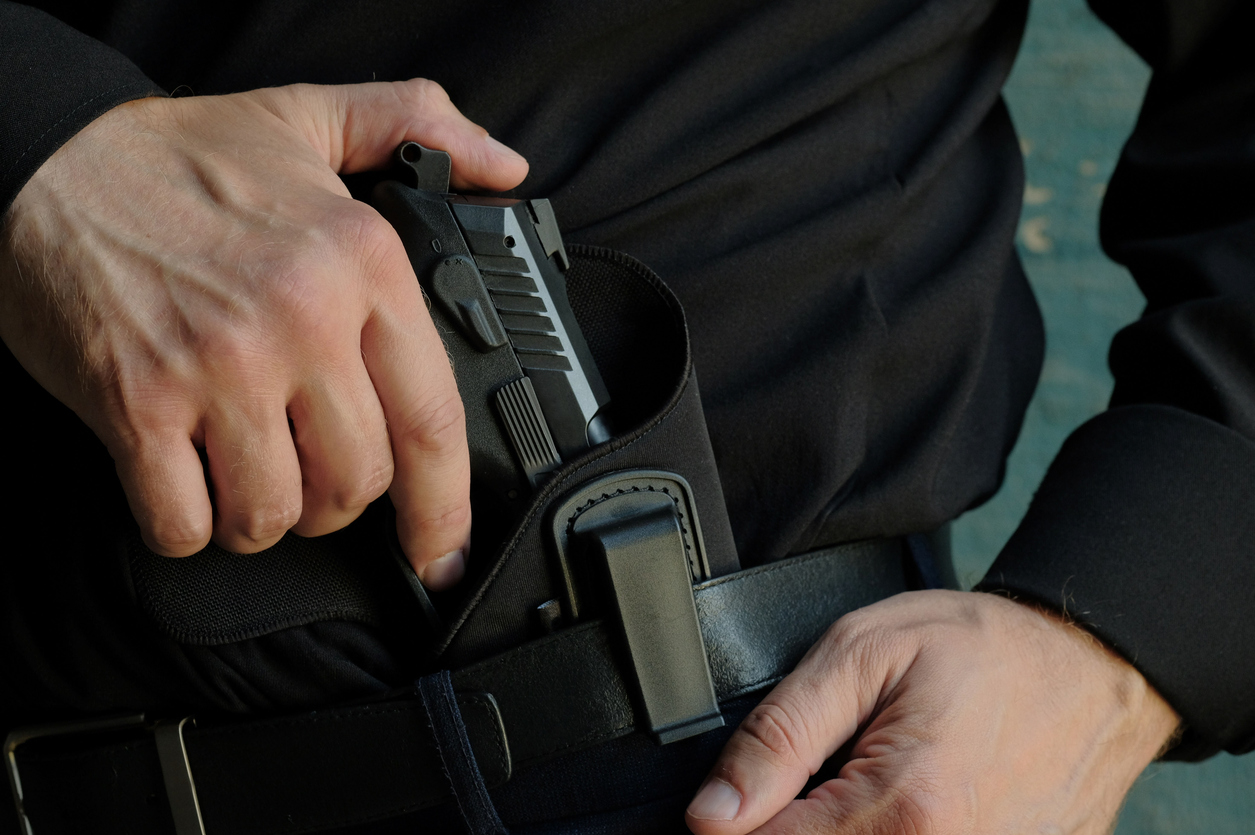
Gun ownership in Nigeria is strictly regulated under national law, with clear rules on who can legally possess firearms and under what conditions. For businesses operating in logistics, trade, and distribution—especially those handling high-value goods—understanding these regulations is essential for compliance, security planning, and risk management.
This article explains who can own a gun in Nigeria, the licensing process, and how companies can navigate security challenges responsibly.
Overview of Firearms Regulation in Nigeria
Firearm ownership in Nigeria is governed primarily by the Firearms Act. The law places tight restrictions on civilian access to weapons, aiming to maintain public safety and control misuse.
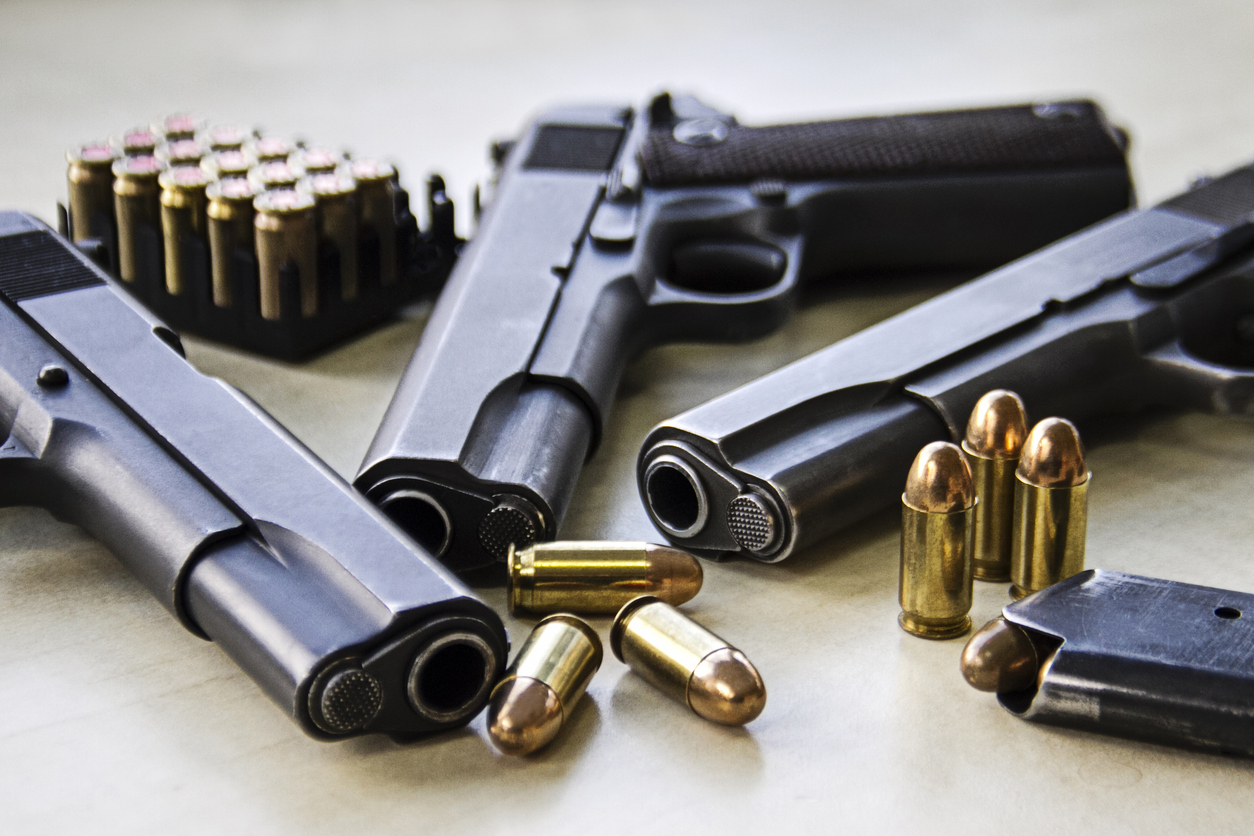
In general, automatic and military-grade weapons are prohibited for civilians. Only specific categories of firearms—such as shotguns—may be licensed under controlled conditions.
Who Can Own a Gun in Nigeria?
Eligibility Criteria for Civilian Gun Ownership in Nigeria
Understanding who can own a gun in Nigeria starts with meeting strict eligibility requirements. Applicants must:
- Be at least 17 years old (though approvals are typically granted to adults)
- Have no criminal record
- Demonstrate a valid reason for ownership (e.g., personal protection, hunting, or security)
- Be mentally and physically fit
- Pass background checks conducted by law enforcement authorities
Licences are not granted automatically. Each application is reviewed on a case-by-case basis by the Nigeria Police Force, which has the authority to approve or deny requests.
Types of Firearms Permitted
Civilian access is limited to non-prohibited firearms, typically:
- Single or double-barrel shotguns
- Sporting or hunting rifles (in rare cases)
Prohibited weapons include:
- Automatic firearms
- Military-grade rifles
- Concealed or disguised weapons
For businesses, this means that armed security must operate within these restrictions, often requiring licensed private security firms rather than internal firearm ownership.
The Licensing Process
To legally own a firearm, individuals must obtain a licence through the Nigeria Police Force. The process generally involves:
- Submitting an application with personal details and justification
- Providing references and identification documents
- Undergoing background checks and verification
- Receiving approval from the Inspector-General of Police or delegated authority
Licences must be renewed periodically, and firearm holders are expected to comply with safe storage and usage guidelines.
Failure to follow these procedures can result in severe legal penalties, including fines, imprisonment, and confiscation of weapons.
Business Implications for Trade and Logistics
Companies involved in import/export, FMCG distribution, and wholesale trade often face security risks, particularly when transporting valuable goods across regions.
However, corporate firearm ownership is not straightforward. Instead, businesses typically rely on:
- Licensed private security companies
- Police escorts for high-value cargo
- Integrated supply chain security systems
This is where working with experienced partners becomes critical.
Managing Security and Compliance in Nigeria
For businesses operating in Nigeria, compliance with firearm laws is just one aspect of broader risk management. Key challenges include:
- Navigating complex licensing requirements
- Ensuring security personnel are properly authorised
- Avoiding legal exposure from improper firearm use
- Protecting goods in transit across high-risk routes
A structured approach to logistics and distribution can reduce these risks significantly.
How Wigmore Trading Supports Secure Operations
Wigmore Trading works with businesses across Nigeria and West Africa to streamline sourcing, distribution, and logistics operations. This includes helping clients:
- Coordinate secure transportation solutions for high-value goods
- Work with trusted, licensed security providers
- Ensure compliance with local regulations, including firearm and security laws
- Optimise supply chain routes to minimise exposure to risk
By integrating logistics planning with regulatory awareness, companies can operate more efficiently while maintaining compliance.
Conclusion
Understanding who can own a gun in Nigeria is essential for both individuals and businesses. The country’s strict firearm regulations limit civilian ownership and place responsibility on authorities to control access.
For companies, the focus should not be on direct firearm ownership but on building compliant, secure logistics systems through licensed providers and experienced partners.
Wigmore Trading can help. Contact Wigmore Trading today to streamline your sourcing.

Comments are closed.