

Understanding Self Defence Firearm Nigeria Law: A Practical Guide for Businesses and Individuals

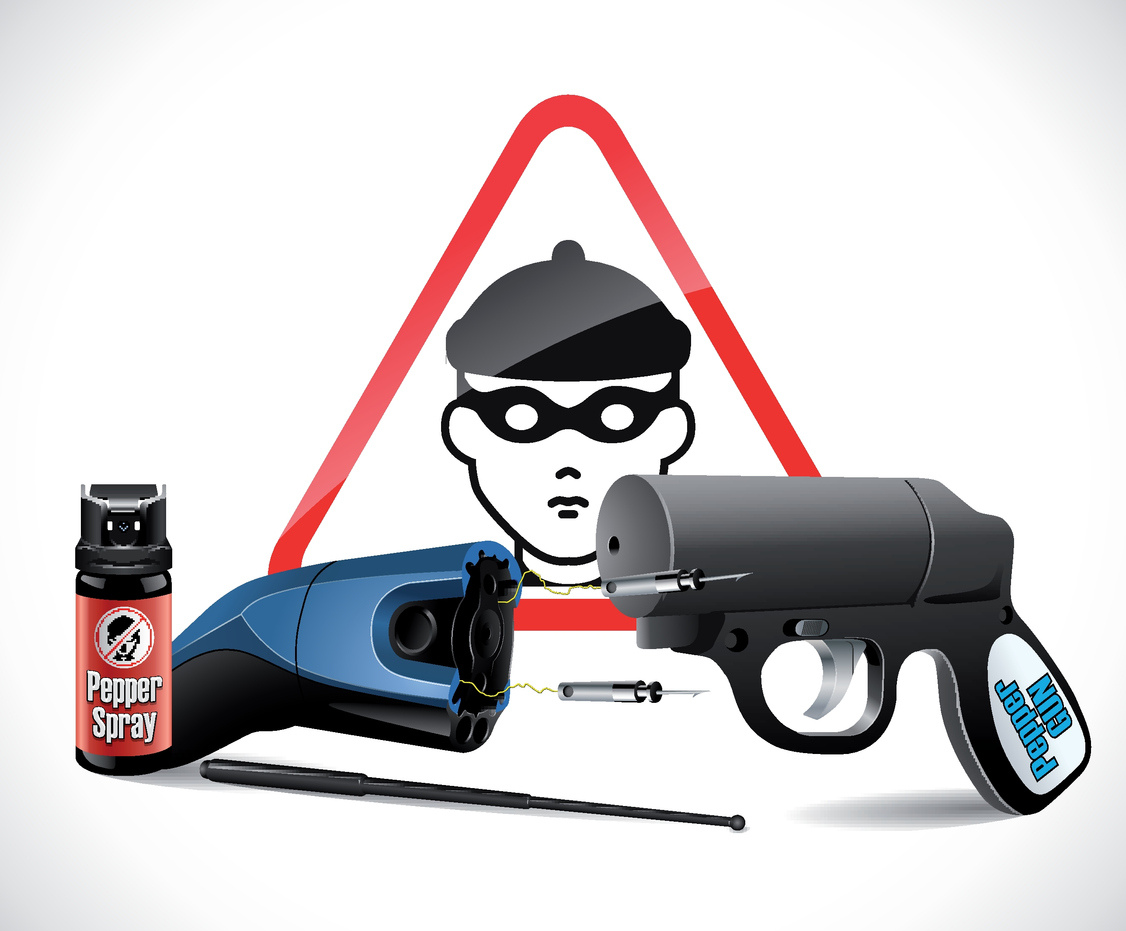
Navigating firearm regulations is essential for individuals and businesses operating in Nigeria, particularly those involved in logistics, trade, and high-value goods distribution. The self defence firearm Nigeria law framework is strict, and compliance is critical to avoid legal risks while ensuring safety.
This guide explains the legal landscape, practical considerations, and how businesses can manage security risks responsibly within Nigerian law.
Overview of Self Defence Firearm Nigeria Law
Nigeria regulates firearms under the Firearms Act (Cap F28, Laws of the Federation of Nigeria). The law strictly controls the possession, use, and licensing of firearms, even for self-defence purposes.
In general:
- Civilian ownership of firearms is heavily restricted
- A valid firearm licence is required
- Licences are issued at the discretion of the Inspector-General of Police (IGP)
Self-defence alone does not automatically grant the right to own a firearm. Applicants must demonstrate a legitimate need and pass security checks.
Who Can Legally Own a Firearm in Nigeria?
Under the self defence firearm Nigeria law, eligibility is limited. Typically, the following conditions apply:
- Applicants must be at least 17 years old (though practical approvals are usually for adults)
- Must have no criminal record
- Must provide valid justification, such as personal security risks
- Must undergo background and character verification
Even when approved, the type of firearm permitted is restricted. Military-grade weapons and automatic firearms are prohibited for civilians.
Licensing Process and Compliance Requirements
Obtaining a firearm licence in Nigeria involves several steps:
- Application submission through the Nigeria Police Force
- Background checks and recommendations
- Approval from the Inspector-General of Police
- Issuance of licence specifying firearm type
Licence holders must also:
- Store firearms securely
- Renew licences periodically
- Use firearms strictly within legal limits
Failure to comply can result in severe penalties, including imprisonment.
Limitations on Use for Self Defence
The concept of self-defence exists under Nigerian criminal law, but firearm use is tightly controlled.
Key limitations include:
- Firearms must only be used in immediate threat situations
- Use of force must be proportionate
- Misuse, even in claimed self-defence, can lead to prosecution
This makes it essential for individuals and businesses to consider alternative security measures alongside or instead of firearms.
Security Challenges for Trade and Logistics Businesses
Companies involved in import/export, FMCG distribution, and logistics often face:
- Cargo theft
- Warehouse security risks
- Transit vulnerabilities across regions
While firearms may seem like a solution, the strict nature of self defence firearm Nigeria law means businesses must adopt broader, compliant security strategies.
Practical Alternatives to Firearms for Business Security
Rather than relying solely on firearms, businesses can implement:
- Professional security services with licensed personnel
- Supply chain visibility systems to track goods in transit
- Secure warehousing and inventory controls
- Risk assessment and route planning for logistics operations
These approaches align with legal requirements while reducing exposure to security threats.
How Wigmore Trading Supports Secure Operations
For businesses operating in Nigeria and across Africa, managing security alongside logistics and compliance can be complex.
Wigmore Trading supports companies by:
- Coordinating secure sourcing and distribution networks
- Assisting with logistics planning to minimise risk exposure
- Ensuring compliance with local regulations, including transport and handling requirements
- Providing access to trusted partners across supply chains
By integrating logistics efficiency with risk-aware planning, businesses can operate securely without over-reliance on restricted measures like firearms.
Key Considerations Before Applying for a Firearm Licence
Before pursuing firearm ownership for self-defence, individuals and businesses should evaluate:
- Whether the legal threshold for approval can realistically be met
- The ongoing compliance obligations
- The risks of misuse or legal consequences
- Alternative security solutions that may be more practical
In many cases, a layered security strategy is more effective and compliant.
Conclusion
Understanding the self defence firearm Nigeria law is essential for anyone considering firearm ownership in Nigeria. The legal framework is restrictive, with strict licensing, usage limitations, and compliance requirements.
For businesses, especially in trade and logistics, focusing on comprehensive security strategies is often more practical than relying on firearms alone.
Wigmore Trading can help. Contact Wigmore Trading today to streamline your sourcing and build secure, compliant supply chains.


Comments are closed.