

Legal Restrictions on Selling Defence Products in Nigeria

Understanding the legal restrictions surrounding the sale of defence products in Nigeria is critical for businesses operating in import/export, logistics, and wholesale distribution. Defence-related goods are highly regulated due to national security concerns, and non-compliance can lead to severe penalties, including fines, imprisonment, and business shutdowns.
This article explores the legal framework, key restrictions, and how companies like Wigmore Trading can help navigate these complexities.
What Are Defence Products?
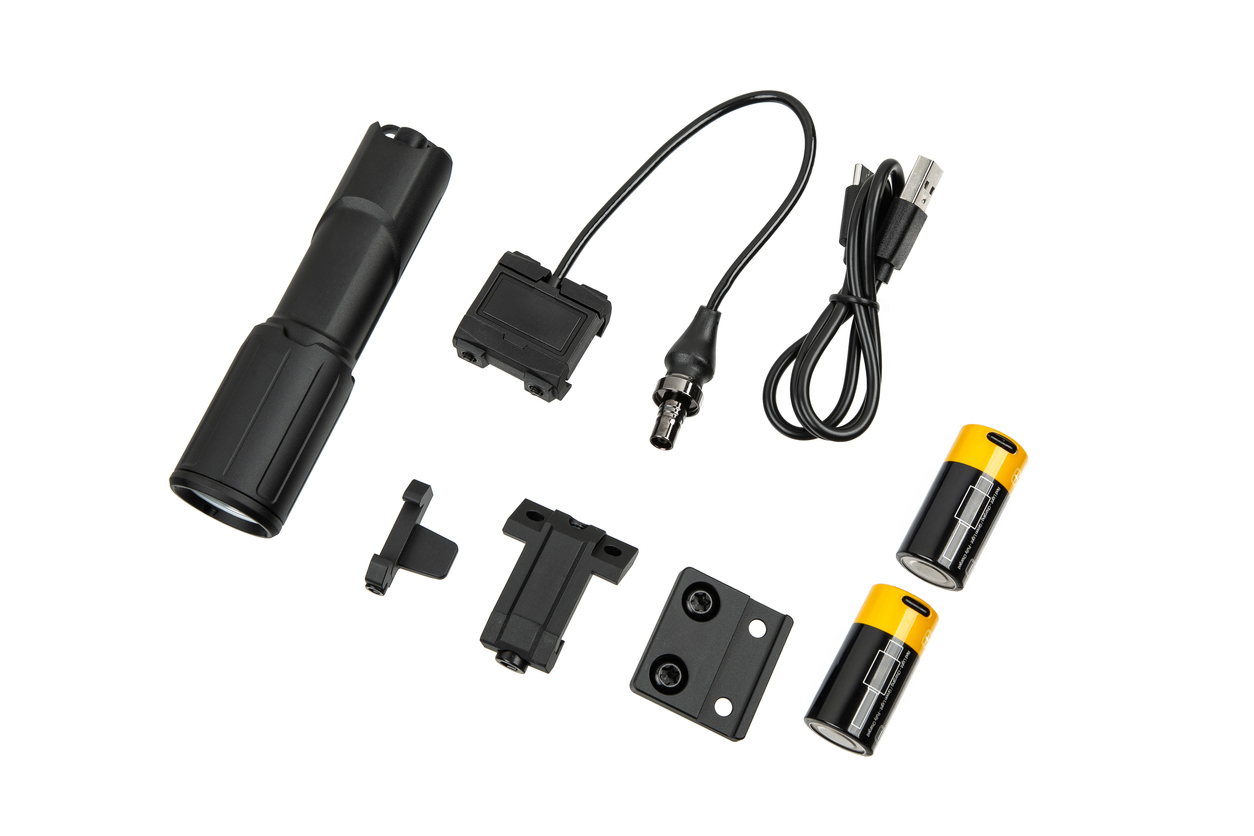
Defence products typically include:
- Firearms and ammunition
- Military vehicles and equipment
- Surveillance and intelligence systems
- Protective gear (e.g., ballistic vests, helmets)
- Dual-use goods (items with both civilian and military applications)
In Nigeria, many of these items fall under controlled or prohibited imports, depending on their classification and intended use.
Regulatory Authorities in Nigeria
Several government bodies oversee the control and sale of defence-related products:
- Nigerian Customs Service (NCS) – Regulates imports and enforces prohibited goods lists
- Ministry of Defence – Oversees military procurement and approvals
- Office of the National Security Adviser (ONSA) – Provides security clearance for sensitive goods
- National Agency for Science and Engineering Infrastructure (NASENI) – May regulate certain dual-use technologies
Each of these agencies plays a role in ensuring that defence products do not enter unauthorized hands.
Key Legal Restrictions
1. Prohibited and Restricted Imports
Nigeria maintains a strict import prohibition list. Items such as arms, ammunition, and military-grade equipment are either:
- Completely banned from importation, or
- Allowed only with special government authorization
Attempting to import these goods without approval is a criminal offense.
2. Licensing Requirements
Any company intending to deal in defence products must obtain:
- Import/export licenses
- End-user certificates
- Security clearance from relevant authorities
These licenses are not easily granted and often require extensive background checks and documentation.
3. End-User Verification
Authorities require clear identification of the final recipient of defence goods. This ensures that products are not diverted to unauthorized groups or illegal markets.
4. Compliance with International Regulations
Nigeria is a signatory to several international arms control agreements. Businesses must also comply with:
- Arms Trade Treaty (ATT) obligations
- Regional ECOWAS conventions on small arms
Failure to comply can lead to international sanctions and trade restrictions.
5. Strict Penalties for Non-Compliance
Violations of defence trade laws can result in:
- Seizure of goods
- Revocation of business licenses
- Criminal prosecution
This makes compliance not just important—but essential.
Challenges Businesses Face
Companies in the import/export and logistics sectors often encounter:
- Complex and evolving regulations
- Delays in obtaining approvals
- Difficulty classifying dual-use goods
- Risk of shipment seizures
Without expert guidance, these challenges can disrupt operations and increase costs.
How Wigmore Trading Can Help
Wigmore Trading supports businesses navigating Nigeria’s complex import and export landscape, including regulated goods.
Here’s how Wigmore Trading can assist:
- Regulatory Guidance: Helping you understand whether your goods fall under restricted categories
- Documentation Support: Ensuring all licenses and permits are correctly processed
- Customs Clearance Expertise: Minimizing delays and reducing the risk of seizure
- Supply Chain Management: Coordinating compliant sourcing and delivery
If your business deals with sensitive or dual-use products, Wigmore Trading can help ensure your operations remain compliant and efficient.
Practical Tips for Compliance
To stay on the right side of the law:
- Always verify whether your product is restricted before importation
- Work with experienced logistics and trade partners
- Maintain accurate and transparent documentation
- Stay updated on regulatory changes
Taking a proactive approach can save time, money, and legal trouble.
Conclusion
The legal restrictions on selling defence products in Nigeria are strict and multifaceted, reflecting the country’s commitment to national security. Businesses must exercise due diligence, obtain proper licensing, and ensure full compliance with both local and international laws.
Wigmore Trading can help streamline this process, offering expert support in sourcing, compliance, and logistics. Get in touch with our team to learn more about how to safely and efficiently manage regulated imports.




Comments are closed.