
Restrictions on Advertising Weapons in Nigeria: What Businesses Need to Know


Advertising weapons in Nigeria is a highly regulated activity shaped by national security concerns, public safety priorities, and strict enforcement policies. Businesses involved in import/export, wholesale distribution, and related supply chains must understand these restrictions clearly to avoid legal violations and operational setbacks.
For companies operating in trade and distribution—such as Wigmore Trading—compliance is not optional; it is a core requirement for sustainable business operations.
Understanding Weapons Advertising Regulations in Nigeria
In Nigeria, the regulation of weapons advertising falls under multiple legal frameworks, including security laws, firearms control legislation, and oversight from security agencies.
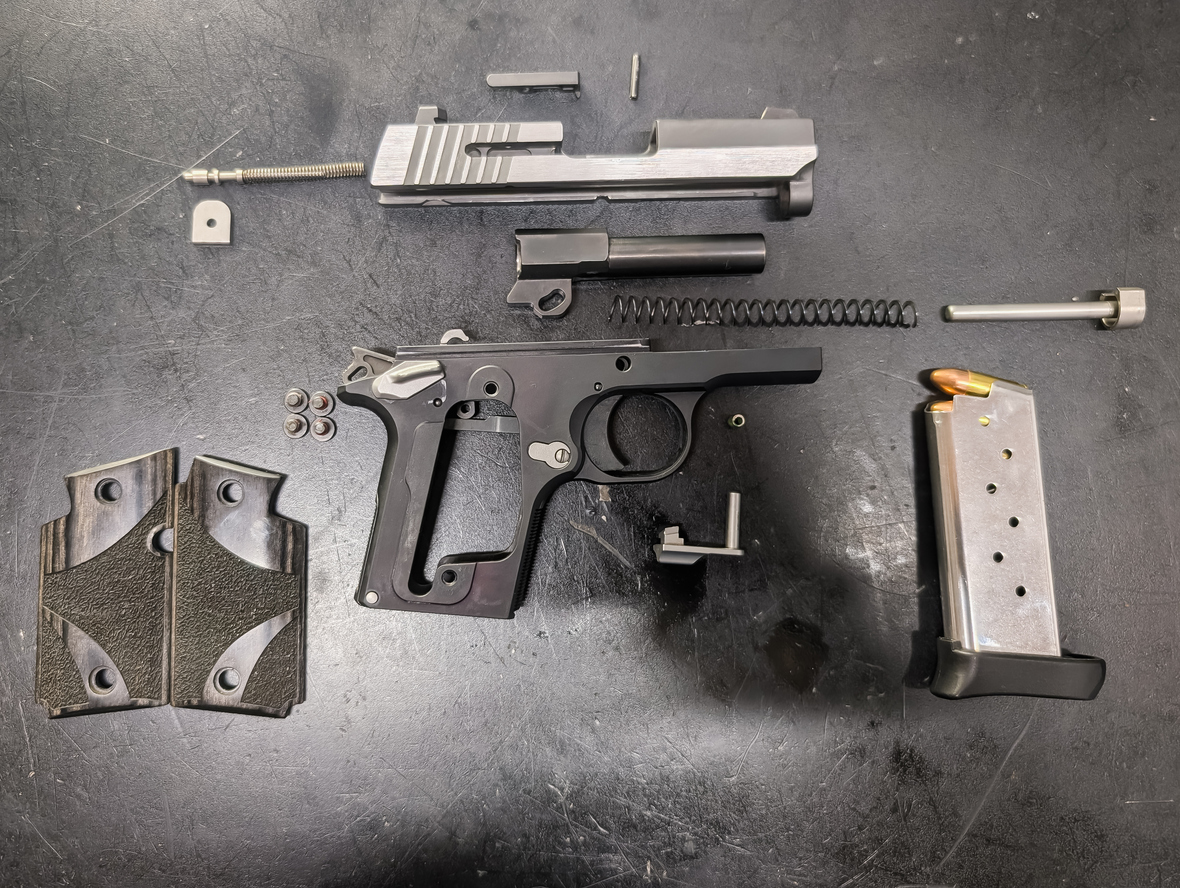
Generally, advertising weapons—especially firearms, ammunition, and related defense equipment—is either:
- Heavily restricted
- Subject to prior approval
- Limited to authorized entities only
- Prohibited on public media platforms in most cases
This means that businesses cannot freely promote or market weapons the same way they would FMCG or consumer goods.
What Counts as “Advertising Weapons”?
Weapon advertising in Nigeria may include:
- Print or digital promotions of firearms or ammunition
- Social media marketing of weapon-related products
- Trade exhibition promotions involving arms
- Broadcast advertisements featuring weapons or tactical equipment
- Import/export promotional materials targeting civilian markets
Even indirect promotion—such as showcasing availability without authorization—may be considered a violation.
Key Restrictions Businesses Must Be Aware Of
1. Licensing Requirements
Only licensed manufacturers, importers, or security contractors may legally handle weapons-related advertising.
2. Government Approval
Any promotional material involving controlled weapons typically requires clearance from relevant security agencies.
3. Media Limitations
Public advertising channels (TV, radio, online platforms) often restrict or completely prohibit weapon-related ads.
4. Import & Trade Controls
Weapons and defense-related goods are subject to strict import permits, which also influence how and whether they can be marketed.
5. Compliance Monitoring
Regulatory authorities actively monitor both traditional and digital media for unauthorized promotions.
Why These Restrictions Exist
The restrictions are designed to:
- Reduce illegal arms circulation
- Prevent misuse of weapons
- Strengthen national security
- Control public access to sensitive equipment
- Maintain oversight over defense-related commerce
For importers and distributors, this creates a controlled environment that prioritizes compliance and transparency.
Implications for Importers, Wholesalers, and Distributors
For businesses in international trade and logistics, especially those dealing with regulated goods, these restrictions mean:
- Marketing strategies must be carefully reviewed
- Product listings require legal vetting
- Cross-border advertising must align with Nigerian regulations
- Partnerships must include compliance checks
Companies like Wigmore Trading operating in sourcing and distribution must ensure that all communications comply with both domestic and international trade laws.
How Wigmore Trading Can Help
Navigating regulated trade environments requires expertise in compliance, sourcing, and logistics coordination.
Wigmore Trading supports businesses by helping streamline procurement processes and ensuring sourcing decisions align with regulatory expectations in complex markets.
Get in touch with our team to learn more about compliant sourcing and efficient trade operations across African and global markets.
Conclusion
Restrictions on advertising weapons in Nigeria are strict and closely monitored. Businesses involved in import/export and distribution must prioritize compliance to avoid penalties and ensure smooth operations. Understanding these rules is essential for companies operating in regulated supply chains.




Comments are closed.