
Telecom Mediation Integration in Nigeria: Improving Billing Accuracy and Network Efficiency

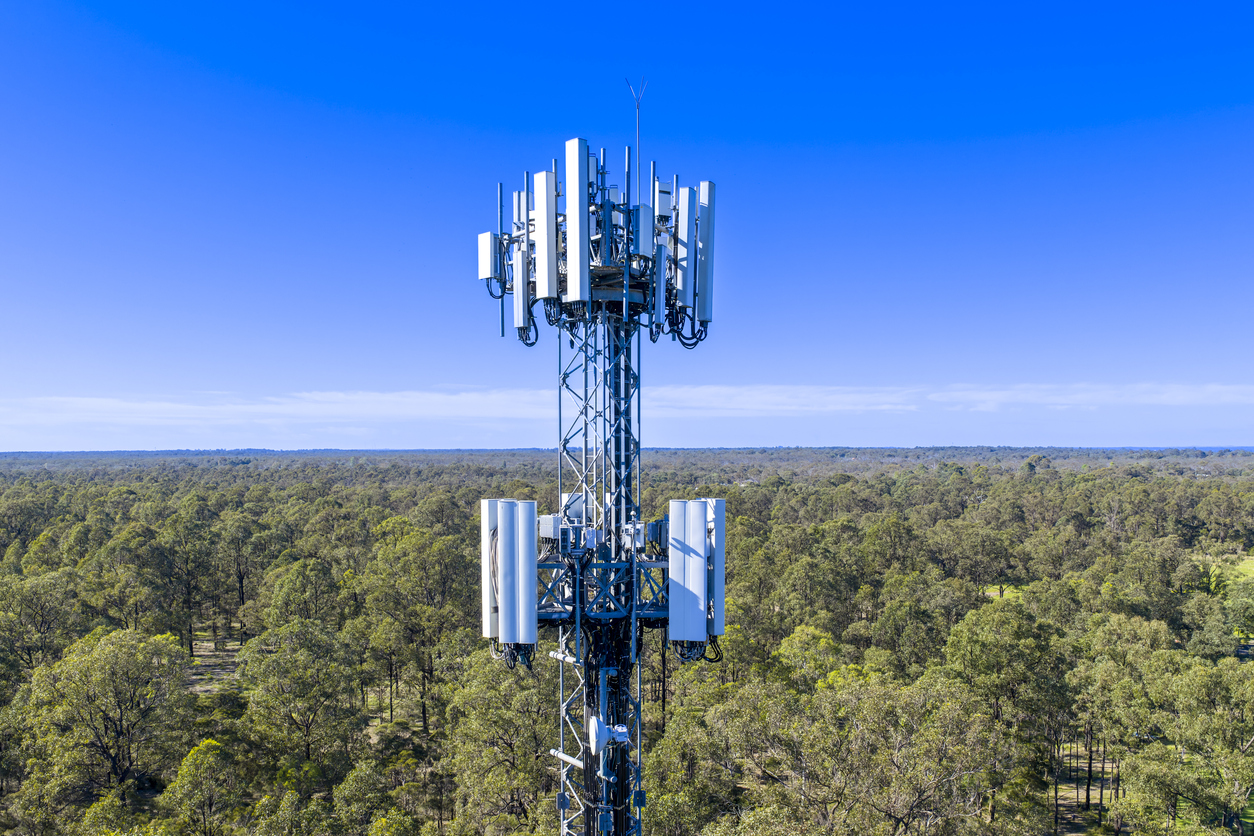
Nigeria’s telecommunications sector relies on complex backend systems to manage millions of daily voice calls, SMS transactions, and mobile data sessions. As operators expand services and subscriber bases, efficient data processing becomes essential. One of the most important components supporting telecom operations is telecom mediation integration in Nigeria.
Telecom mediation systems help operators collect, process, validate, and distribute network usage data between switches, billing platforms, customer management systems, and settlement platforms. Without effective mediation integration, telecom providers risk billing errors, revenue leakage, and operational inefficiencies.
This article explains how telecom mediation integration works in Nigeria, the challenges telecom operators face, and how efficient supply chain and logistics support can improve telecom infrastructure deployment.
What Is Telecom Mediation Integration?
Telecom mediation integration refers to the process of connecting mediation systems with other telecom operational and business support systems (OSS/BSS). These systems gather raw network data and convert it into standardised formats for billing, analytics, customer management, and regulatory reporting.
Core Functions of Telecom Mediation Systems
A mediation platform typically performs several critical tasks:
- Collecting call detail records (CDRs) from network elements
- Filtering and validating network usage data
- Converting data into compatible billing formats
- Routing data to billing and rating engines
- Supporting fraud management and revenue assurance systems
In Nigeria’s fast-growing telecom environment, mediation systems help operators manage high transaction volumes while maintaining billing accuracy.
Why Telecom Mediation Integration Matters in Nigeria
Telecom operators in Nigeria handle massive amounts of subscriber activity every day. Efficient mediation integration supports operational stability and financial accuracy.
Improving Billing Accuracy
Incorrect or incomplete network records can lead to billing disputes and lost revenue. Integrated mediation systems ensure accurate data transfer between network and billing platforms.
Supporting Real-Time Charging
Modern prepaid systems rely on real-time mediation to process transactions instantly. This is especially important in Nigeria, where prepaid mobile subscriptions dominate the market.
Reducing Revenue Leakage
Poor integration between telecom systems can create data gaps. Mediation systems help identify missing or duplicate records before billing occurs.
Enhancing Regulatory Compliance
Telecom operators must comply with Nigerian Communications Commission (NCC) requirements for reporting and billing transparency. Proper mediation integration improves audit readiness and reporting consistency.
Key Components of Telecom Mediation Integration in Nigeria
Network Elements
These include switches, SMS centres, internet gateways, and mobile core infrastructure that generate raw usage records.
Mediation Platforms
The mediation layer collects and standardises data from multiple network sources.
Billing and Rating Engines
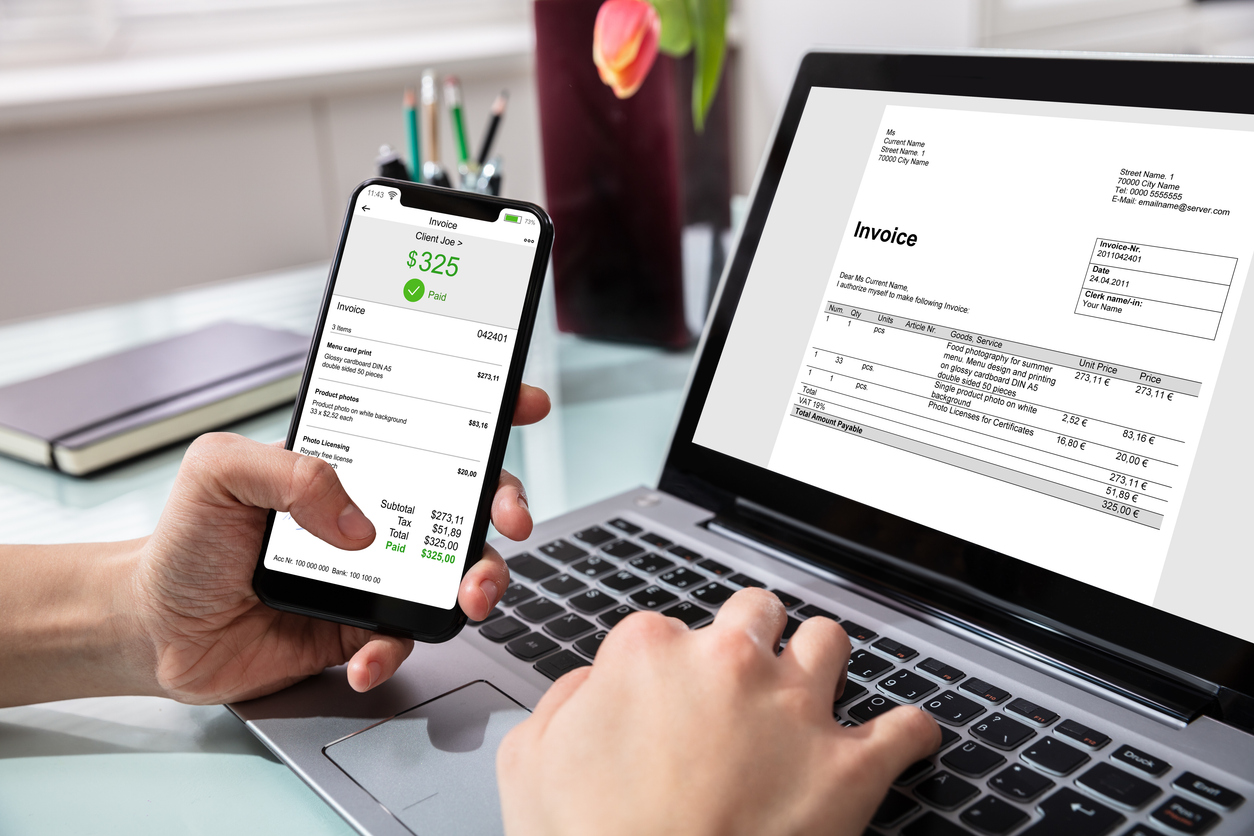
Integrated mediation systems transfer processed data into billing systems for charging and invoicing.
Revenue Assurance Systems
Operators use revenue assurance tools to identify discrepancies and prevent financial losses.
Customer Management Systems
Accurate mediation integration improves customer account management and service delivery.
Common Challenges in Telecom Mediation Integration
High Data Volumes
Nigeria’s telecom networks generate enormous amounts of traffic daily, requiring scalable processing infrastructure.
Legacy Systems Integration
Many operators still rely on older platforms that may not integrate easily with modern cloud-based systems.
Data Synchronisation Issues
Differences in data formats and timing can affect billing accuracy and reporting.
Network Downtime Risks
Infrastructure interruptions can delay data processing and impact customer billing cycles.
Security and Fraud Risks
Unsecured integration points may expose telecom systems to fraud or data manipulation.
Best Practices for Successful Telecom Mediation Integration
Invest in Scalable Infrastructure
Operators should use mediation platforms capable of handling future subscriber and data growth.
Standardise Data Formats
Using consistent formats simplifies integration across multiple systems.
Implement Real-Time Monitoring
Continuous monitoring helps detect processing failures and abnormal traffic patterns quickly.
Strengthen Cybersecurity Controls
Secure APIs, encrypted data transmission, and access management reduce operational risks.
Conduct Regular System Audits
Routine testing improves reliability and minimises revenue leakage.
The Role of Logistics and Supply Chain Support
Telecom infrastructure projects depend not only on software integration but also on reliable hardware sourcing and deployment. Servers, network equipment, fibre components, and backup systems must be delivered efficiently to maintain operations.
Wigmore Trading supports telecom businesses in Nigeria through:
- International sourcing of telecom infrastructure equipment
- Import and customs clearance support
- Warehousing and nationwide distribution
- Supply chain coordination for telecom projects
- Procurement support for operational hardware and components
Reliable logistics can help telecom operators reduce downtime and improve infrastructure deployment timelines.
Future Trends in Telecom Mediation Systems
As Nigeria’s telecom industry evolves, mediation platforms are becoming more advanced and data-driven.
Cloud-Based Mediation Platforms
Cloud infrastructure improves scalability and operational flexibility.
AI-Powered Analytics
Artificial intelligence helps operators detect fraud, optimise traffic management, and improve billing accuracy.
5G Network Integration
The growth of 5G services will increase the complexity of telecom data processing and mediation requirements.
Real-Time Revenue Assurance
Operators are increasingly using real-time analytics to identify discrepancies instantly.
Conclusion
Effective telecom mediation integration in Nigeria is essential for accurate billing, revenue assurance, network efficiency, and regulatory compliance. As telecom networks become more complex, operators must invest in scalable systems, secure integration frameworks, and reliable infrastructure support.
Efficient logistics and supply chain management also play a key role in supporting telecom infrastructure deployment and maintenance.
Wigmore Trading can help. Contact Wigmore Trading today to streamline your sourcing.



Comments are closed.