
Telecom Usage Accounting in Nigeria: Why Accurate Billing Matters

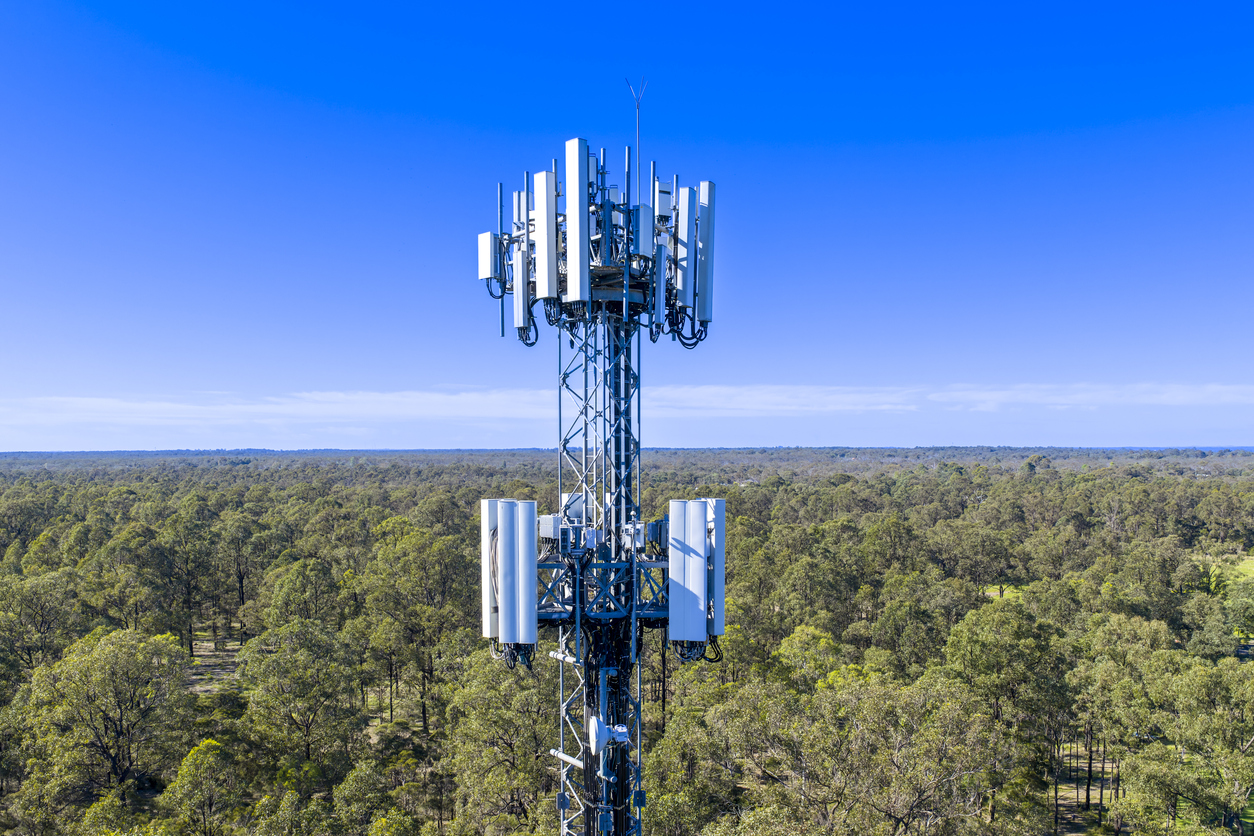
Nigeria’s telecommunications industry handles millions of voice calls, SMS transactions, and data sessions every day. As telecom operators expand their networks and digital services, the need for accurate usage tracking and billing becomes increasingly important. This is where telecom usage accounting in Nigeria plays a critical role.
Usage accounting systems help telecom providers monitor network activity, calculate customer usage, manage settlements, and improve revenue assurance. Without reliable accounting processes, operators risk billing inaccuracies, revenue leakage, and compliance challenges.
This article explains how telecom usage accounting works in Nigeria, the challenges operators face, and the importance of reliable operational support across the telecom supply chain.
What Is Telecom Usage Accounting?
Telecom usage accounting refers to the process of collecting, recording, analysing, and managing subscriber usage data across telecom networks.
This includes:
- Voice call records
- SMS activity
- Mobile data consumption
- Roaming usage
- Value-added services
The data generated is processed into billable information that supports customer billing, traffic settlement, reporting, and regulatory compliance.
How Telecom Usage Accounting Works in Nigeria
Telecom operators in Nigeria rely on several interconnected systems to manage usage accounting efficiently.
Network Data Collection
Whenever a subscriber makes a call, sends a message, or uses mobile data, the network generates usage records known as Call Detail Records (CDRs).
These records contain information such as:
- Caller and receiver details
- Call duration
- Data usage volume
- Time and location of usage
- Service type
The Role of Mediation Systems
Mediation systems collect raw network records and convert them into standardised formats that billing systems can process.
A mediation platform helps telecom companies:
- Filter duplicate or corrupted records
- Validate usage information
- Route data to billing and settlement systems
- Support accurate charging
Without effective mediation, usage discrepancies can affect both customer billing and inter-operator settlements.
Why Telecom Usage Accounting in Nigeria Is Important
Accurate Customer Billing
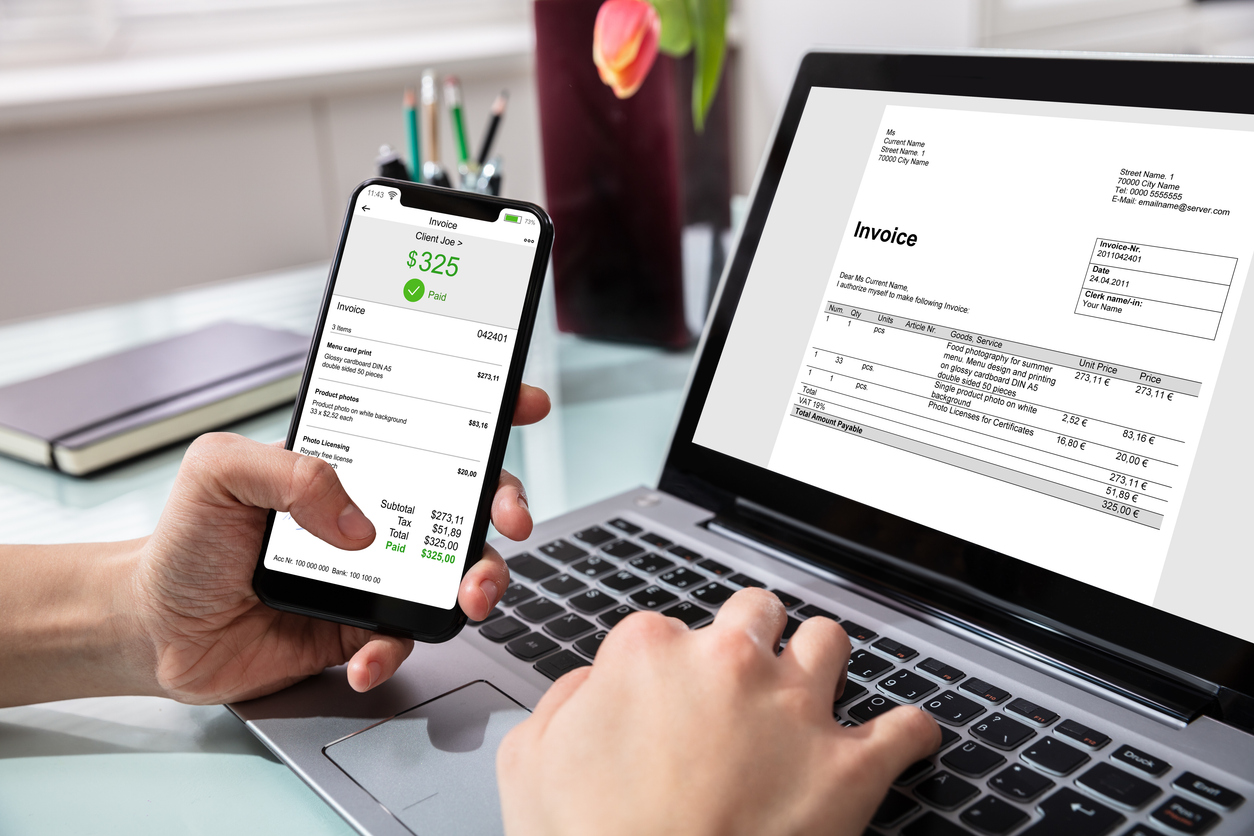
Usage accounting ensures subscribers are billed correctly for services used. This is particularly important in prepaid markets like Nigeria, where real-time charging is essential.
Revenue Assurance
Incorrect or missing records can lead to revenue leakage. Strong accounting systems help operators identify gaps and recover lost income.
Regulatory Compliance
The Nigerian Communications Commission (NCC) requires telecom operators to maintain accurate operational records and transparent billing processes.
Traffic Settlement Between Operators
Telecom usage accounting supports accurate interconnect billing between mobile networks by measuring exchanged traffic volumes.
Challenges Facing Telecom Operators in Nigeria
High Subscriber Volumes
Nigeria’s telecom sector serves millions of active subscribers daily, creating enormous data processing demands.
Infrastructure Constraints
Power instability and connectivity interruptions can affect system performance and data consistency.
Fraud and Bypass Traffic
Fraudulent activities, including SIM box fraud and bypass routing, can distort usage records and reduce operator revenues.
Complex Pricing Models
Promotional bundles, dynamic tariffs, and hybrid service packages increase accounting complexity.
Improving Telecom Usage Accounting Systems
Operators can strengthen their accounting infrastructure by focusing on several areas.
Invest in Real-Time Processing
Real-time accounting systems reduce delays in billing and improve customer experience.
Improve Data Validation
Automated validation tools help identify anomalies and reduce billing disputes.
Enhance Security and Fraud Detection
Analytics platforms can monitor unusual traffic patterns and support fraud prevention efforts.
Maintain Reliable Infrastructure
Telecom accounting systems rely on stable hardware, networking equipment, and data centre operations.
The Importance of Supply Chain and Logistics Support
Telecom operators require continuous access to infrastructure equipment, replacement parts, servers, and networking components to maintain accounting and billing systems.
Efficient sourcing and logistics are therefore essential to operational continuity.
Wigmore Trading supports telecom businesses in Nigeria through:
- International sourcing of telecom equipment and components
- Import and export management
- Warehousing and distribution services
- Supply chain coordination for infrastructure projects
- Compliance support for imported technology products
Reliable logistics partnerships help telecom operators minimise downtime and maintain service reliability.
Future Trends in Telecom Usage Accounting in Nigeria
The telecom industry is evolving rapidly as digital services expand across Nigeria.
Key developments include:
5G Network Expansion
5G increases the complexity and volume of usage data, requiring more advanced accounting systems.
Cloud-Based Billing Platforms
Operators are increasingly adopting scalable cloud infrastructure for billing and accounting operations.
AI-Driven Revenue Assurance
Artificial intelligence tools can improve fraud detection and automate anomaly monitoring.
Integrated Digital Services
Telecom providers are expanding into fintech, streaming, and enterprise services, creating additional accounting requirements.
Conclusion
Telecom usage accounting in Nigeria is essential for accurate billing, revenue protection, regulatory compliance, and operational efficiency. As subscriber numbers and digital services continue to grow, telecom operators must invest in scalable systems that can process large volumes of data reliably.
Alongside advanced technology, dependable sourcing and logistics support remain important to maintaining telecom infrastructure and operational continuity.
Wigmore Trading can help. Contact Wigmore Trading today to streamline your sourcing.

Comments are closed.