
Billing System Integration for Telecom Companies in Nigeria

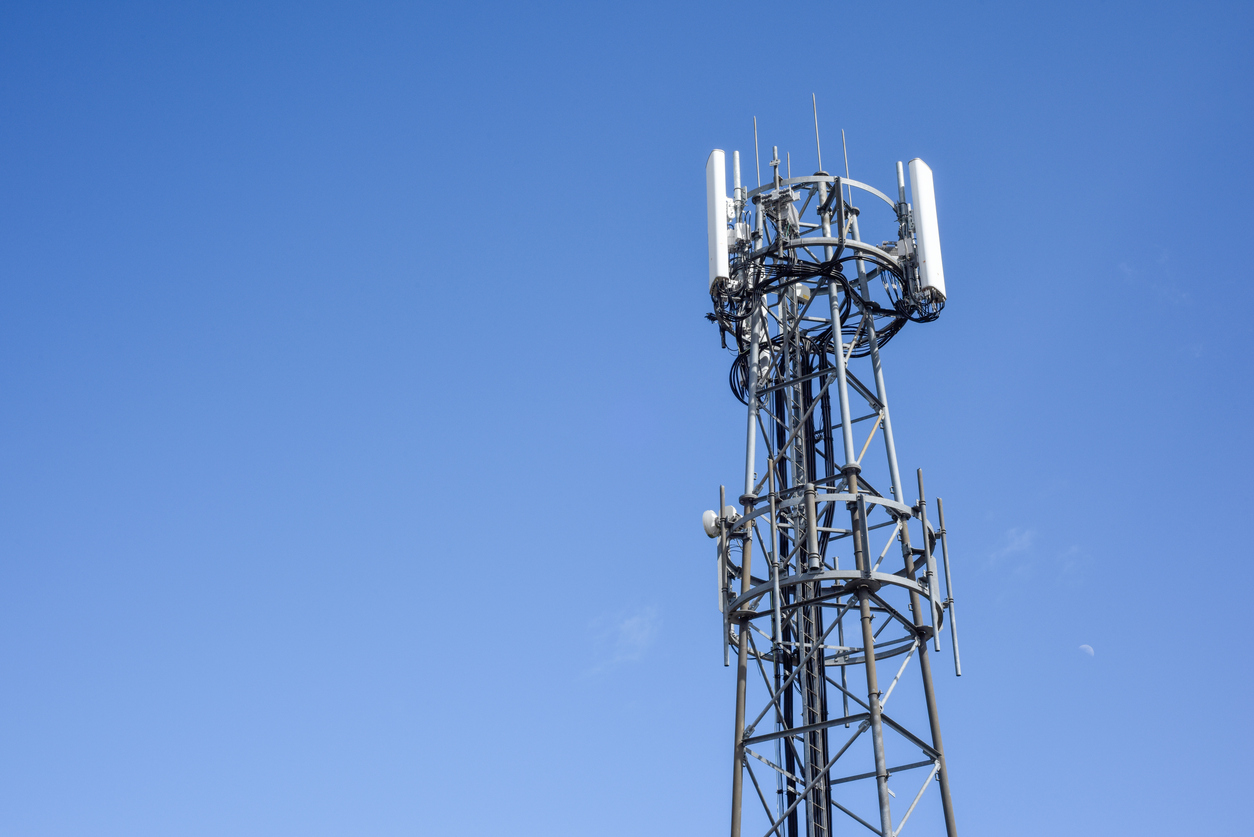
Nigeria’s telecommunications industry depends heavily on efficient billing infrastructure to support millions of subscribers, digital services, and inter-network transactions. As telecom operators expand their offerings across voice, data, fintech, and value-added services, the demand for reliable billing system integration telecom in Nigeria continues to grow.
Integrated billing systems help operators improve customer experience, reduce revenue leakage, automate financial processes, and maintain regulatory compliance. This article explores how telecom billing system integration works in Nigeria, the challenges companies face, and the operational benefits of modern integrated systems.
What Is Billing System Integration in Telecom?
Billing system integration refers to the process of connecting telecom billing platforms with other operational and business systems. These systems may include:
- Customer Relationship Management (CRM) software
- Payment gateways
- Revenue assurance platforms
- Enterprise Resource Planning (ERP) systems
- Network monitoring systems
- Fraud detection tools
- Interconnect and settlement platforms
For telecom companies, integration ensures that customer usage data, pricing structures, payments, and reporting systems work together seamlessly.
Why Billing System Integration Matters in Nigeria
The Nigerian telecom sector is highly competitive and handles large volumes of transactions daily. Operators must manage prepaid and postpaid billing, mobile money services, roaming charges, and data usage across multiple platforms.
Improving Billing Accuracy
Integrated systems reduce manual data handling and minimise billing discrepancies. This improves customer trust and operational efficiency.
Supporting Real-Time Charging
Modern telecom services require instant billing updates, especially for prepaid subscribers. Integrated systems help process charges in real time.
Enhancing Revenue Assurance
Disconnected systems can create gaps that lead to revenue leakage. Billing integration improves visibility across operations and supports accurate financial reporting.
Streamlining Customer Experience
Subscribers expect fast activation, transparent billing, and efficient support. Integration between CRM and billing systems improves service delivery.
Key Components of Telecom Billing Integration
Mediation Systems
Mediation platforms collect raw network data and convert it into billable formats before sending it to billing engines.
Rating Engines
Rating engines calculate the cost of telecom usage based on tariff plans, promotions, and service types.
Payment Integration
Telecom companies in Nigeria increasingly integrate billing platforms with banks, fintech providers, and mobile payment systems.
Revenue Assurance Platforms
These tools help detect inconsistencies, fraud, and missing revenue streams.
Common Challenges in Billing System Integration Telecom in Nigeria
Legacy Infrastructure
Many telecom operators still rely on older systems that are difficult to integrate with modern technologies.
Data Synchronisation Issues
Inconsistent data between systems can result in inaccurate billing and customer disputes.
Regulatory Compliance
Operators must comply with Nigerian Communications Commission (NCC) regulations related to billing transparency and customer protection.
Scalability Demands
Nigeria’s growing subscriber base requires systems that can process large volumes of transactions efficiently.
Cybersecurity Risks
Integrated platforms increase the importance of strong data protection and secure network architecture.
Best Practices for Successful Billing Integration
Adopt Scalable Architecture
Cloud-enabled and modular billing systems are easier to expand as telecom operations grow.
Prioritise API-Based Integration
Modern APIs improve communication between systems and reduce integration complexity.
Conduct Regular System Audits
Routine testing helps identify inconsistencies and improve billing accuracy.
Strengthen Data Security
Encryption, authentication protocols, and secure payment gateways are essential for protecting customer information.
Work with Reliable Technology and Logistics Partners
Efficient operations depend not only on software but also on reliable infrastructure sourcing and deployment.
The Role of Logistics and Supply Chain Support
Telecom infrastructure projects often involve importing servers, networking equipment, cables, power systems, and hardware components. Delays in sourcing or customs clearance can disrupt deployment schedules.
Wigmore Trading supports telecom operators and infrastructure providers in Nigeria through:
- International sourcing of telecom equipment
- Import and export management
- Customs clearance support
- Warehousing and nationwide distribution
- Supply chain coordination for infrastructure projects
By improving procurement and logistics efficiency, telecom companies can reduce downtime and accelerate system integration projects.
Future Trends in Telecom Billing Integration
The telecom industry in Nigeria is evolving rapidly, and billing systems are adapting to support new technologies and services.
5G Billing Infrastructure
5G networks require more advanced real-time charging capabilities and flexible billing models.
AI and Automation
Artificial intelligence is increasingly used to improve fraud detection, customer analytics, and revenue assurance.
Converged Billing Systems
Operators are moving toward unified platforms that manage voice, data, digital content, and fintech services in one system.
Cloud-Based Telecom Platforms
Cloud integration improves scalability, flexibility, and remote management capabilities.
Conclusion
Efficient billing system integration telecom in Nigeria is essential for telecom operators seeking to improve billing accuracy, customer experience, and operational efficiency. As networks become more complex and digital services expand, integrated billing platforms help operators remain competitive and compliant.
Alongside strong technology infrastructure, reliable sourcing and logistics support are critical for successful deployment and maintenance.
Wigmore Trading can help. Contact Wigmore Trading today to streamline your sourcing.



Comments are closed.