
Telecom Digital Billing in Nigeria: Improving Efficiency and Revenue Management

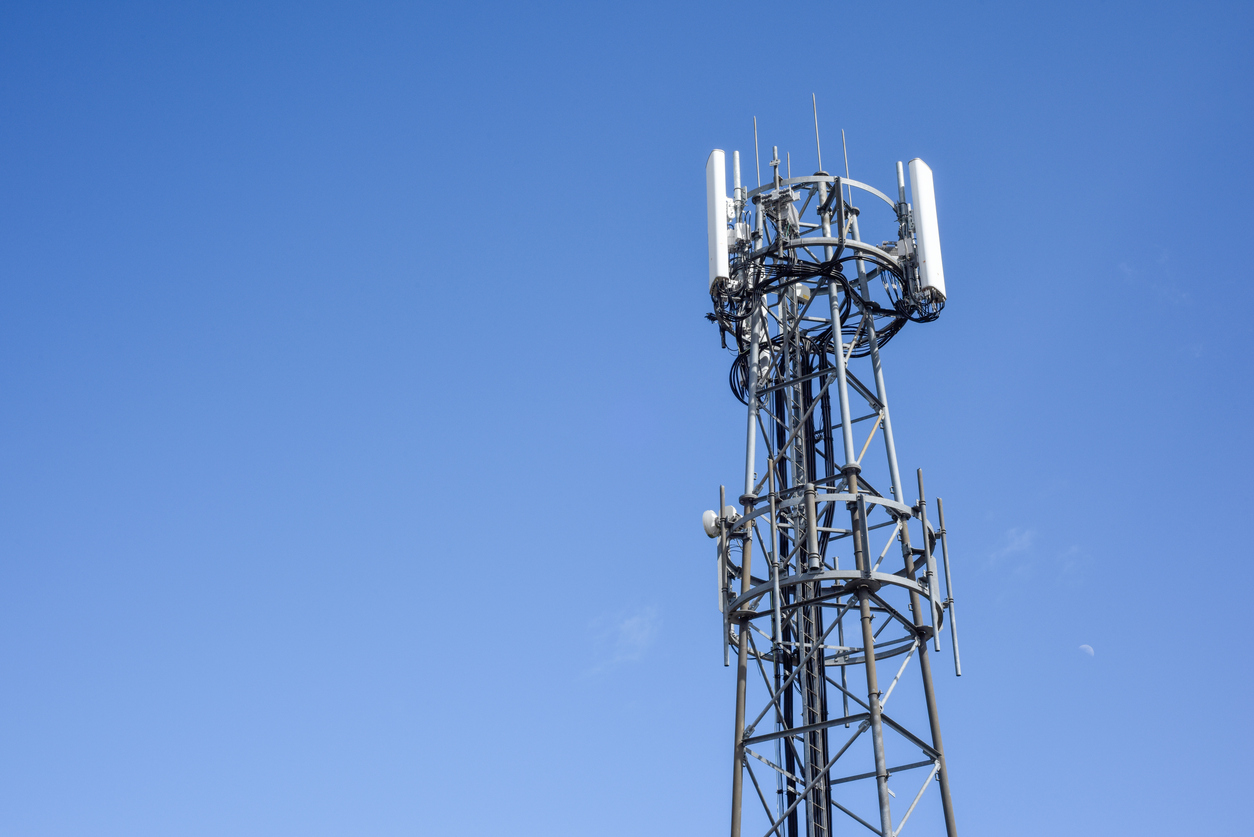
Nigeria’s telecommunications industry has experienced rapid growth over the past decade, driven by increasing mobile penetration, internet adoption, and digital services. As subscriber numbers grow and service offerings become more complex, telecom operators are increasingly relying on advanced billing systems to manage customer accounts, process payments, and improve operational efficiency.
Telecom digital billing in Nigeria plays a critical role in ensuring accurate charging, real-time payment processing, and improved customer experience. Modern digital billing platforms help telecom providers handle large transaction volumes while supporting regulatory compliance and revenue assurance.
This article explores how digital billing works in Nigeria’s telecom sector, the challenges operators face, and the importance of efficient infrastructure and supply chain support.
What Is Telecom Digital Billing?
Telecom digital billing refers to the automated systems used by telecom operators to calculate, process, and manage customer charges for services such as:
- Voice calls
- SMS services
- Mobile data usage
- Subscription packages
- Roaming services
- Digital content and value-added services
Unlike traditional billing systems, digital billing platforms operate in real time and integrate with multiple payment channels, customer management systems, and network infrastructure.
Why Telecom Digital Billing in Nigeria Is Important
The Nigerian telecom market is highly competitive, with millions of prepaid and postpaid subscribers requiring accurate and reliable billing.
Accurate Revenue Collection
Digital billing systems help operators minimise billing errors and reduce revenue leakage by automatically processing customer usage data.
Improved Customer Experience
Subscribers expect instant balance updates, transparent billing, and flexible payment options. Efficient billing systems improve trust and customer satisfaction.
Real-Time Charging Capabilities
Modern telecom services require real-time charging for prepaid users. This allows operators to deduct charges immediately and prevent service misuse.
Support for Digital Payments
Nigeria’s growing fintech ecosystem has increased demand for seamless digital payment integration across telecom platforms.
How Telecom Digital Billing Systems Work
Digital billing systems rely on several interconnected components.
Usage Data Collection
Network systems generate usage records whenever subscribers make calls, send messages, or use mobile data.
Mediation Systems
Mediation platforms process and standardise raw usage records before sending them to billing engines.
Rating and Charging
The rating engine applies tariffs, discounts, and subscription plans to determine the correct charge.
Payment Processing
Billing systems integrate with banks, fintech platforms, mobile money services, and payment gateways for collections.
Customer Account Management
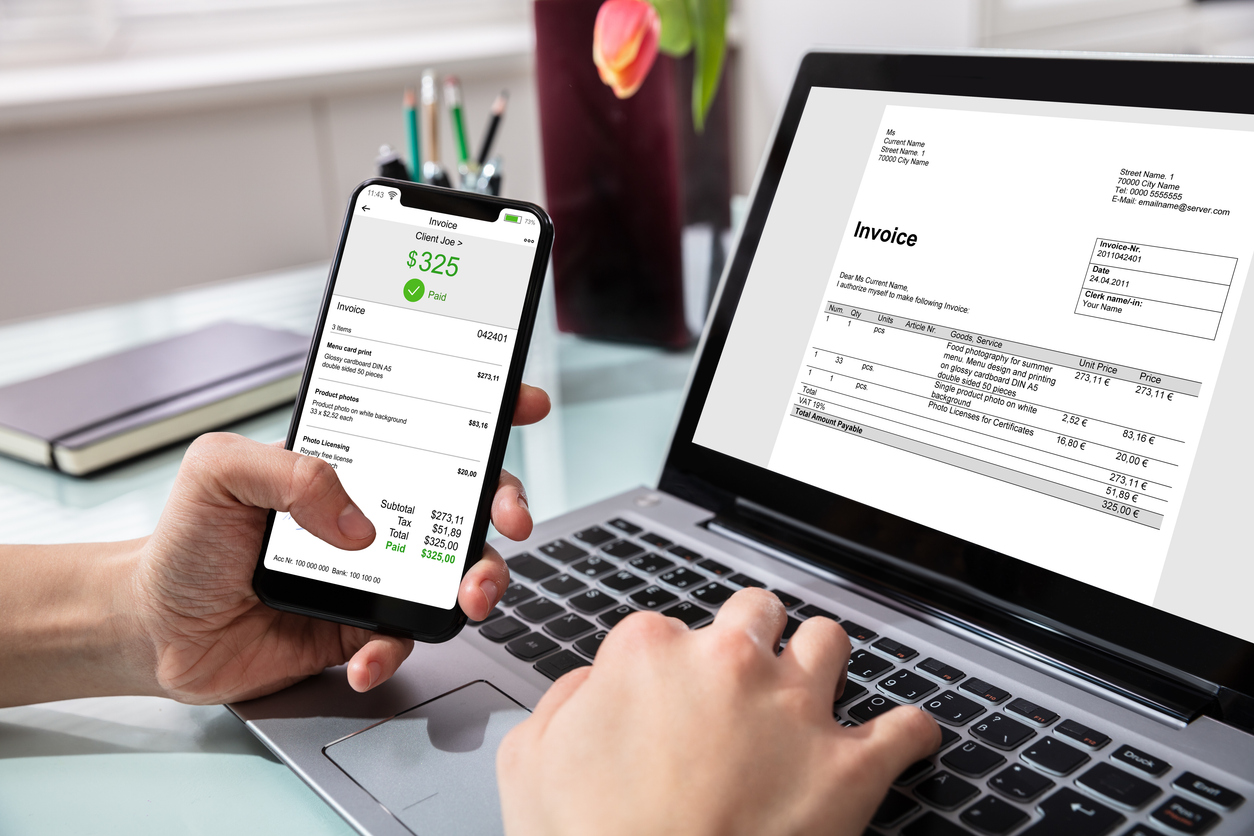
Subscribers can access balances, invoices, and service information through mobile apps, USSD platforms, or customer portals.
Challenges Facing Telecom Digital Billing in Nigeria
High Transaction Volumes
Nigeria’s telecom networks process millions of transactions daily, requiring scalable and reliable infrastructure.
Network Downtime and Power Issues
Infrastructure instability can disrupt billing accuracy and payment processing.
Fraud and Revenue Leakage
SIM box fraud, bypass operations, and inaccurate traffic reporting can affect operator revenues.
Integration Complexity
Telecom operators must integrate billing systems with multiple vendors, payment providers, and digital services.
Regulatory Compliance
Billing systems must comply with Nigerian Communications Commission (NCC) guidelines and consumer protection regulations.
The Role of Automation in Telecom Billing
Automation is becoming increasingly important in Nigeria’s telecom sector.
Faster Billing Cycles
Automated systems process transactions in real time, reducing delays and improving cash flow.
Enhanced Revenue Assurance
Analytics and automated monitoring tools help identify inconsistencies and prevent revenue losses.
Better Scalability
Cloud-based billing systems allow operators to scale operations as subscriber numbers increase.
Improved Reporting
Automated reporting supports regulatory audits and internal financial management.
Infrastructure and Supply Chain Requirements
Efficient telecom billing systems depend not only on software but also on reliable infrastructure and logistics support.
Telecom companies require:
- Data centre equipment
- Networking hardware
- Backup power systems
- Servers and storage devices
- Secure importation of technical components
Delays in sourcing or transporting critical equipment can impact network performance and billing operations.
Wigmore Trading supports telecom operators and infrastructure providers in Nigeria through:
- International sourcing of telecom equipment
- Import/export logistics management
- Customs clearance support
- Warehousing and distribution services
- Supply chain coordination across Nigeria and West Africa
Reliable logistics and procurement support help telecom businesses maintain uninterrupted operations and improve service delivery.
The Future of Telecom Digital Billing in Nigeria
Nigeria’s telecom industry is expected to continue evolving alongside digital transformation trends.
Key developments include:
- Expansion of 5G services
- Increased adoption of AI-driven billing analytics
- Greater use of cloud-based billing platforms
- Integration with fintech and digital banking systems
- Advanced fraud detection technologies
Operators that invest in flexible and scalable billing infrastructure will be better positioned to support future growth.
Conclusion
Telecom digital billing in Nigeria is essential for managing subscriber services, improving customer experience, and ensuring accurate revenue collection. As telecom operators face increasing demand for real-time processing and digital payment integration, modern billing systems are becoming more important than ever.
Strong infrastructure, automation, and reliable logistics support are all critical to maintaining efficient telecom operations. By combining advanced billing technology with dependable supply chain management, telecom companies can improve performance and remain competitive in Nigeria’s fast-growing digital economy.
Wigmore Trading can help. Contact Wigmore Trading today to streamline your sourcing.



Comments are closed.