
Carrier Settlement Automation in Africa: Improving Efficiency in Telecom Operations

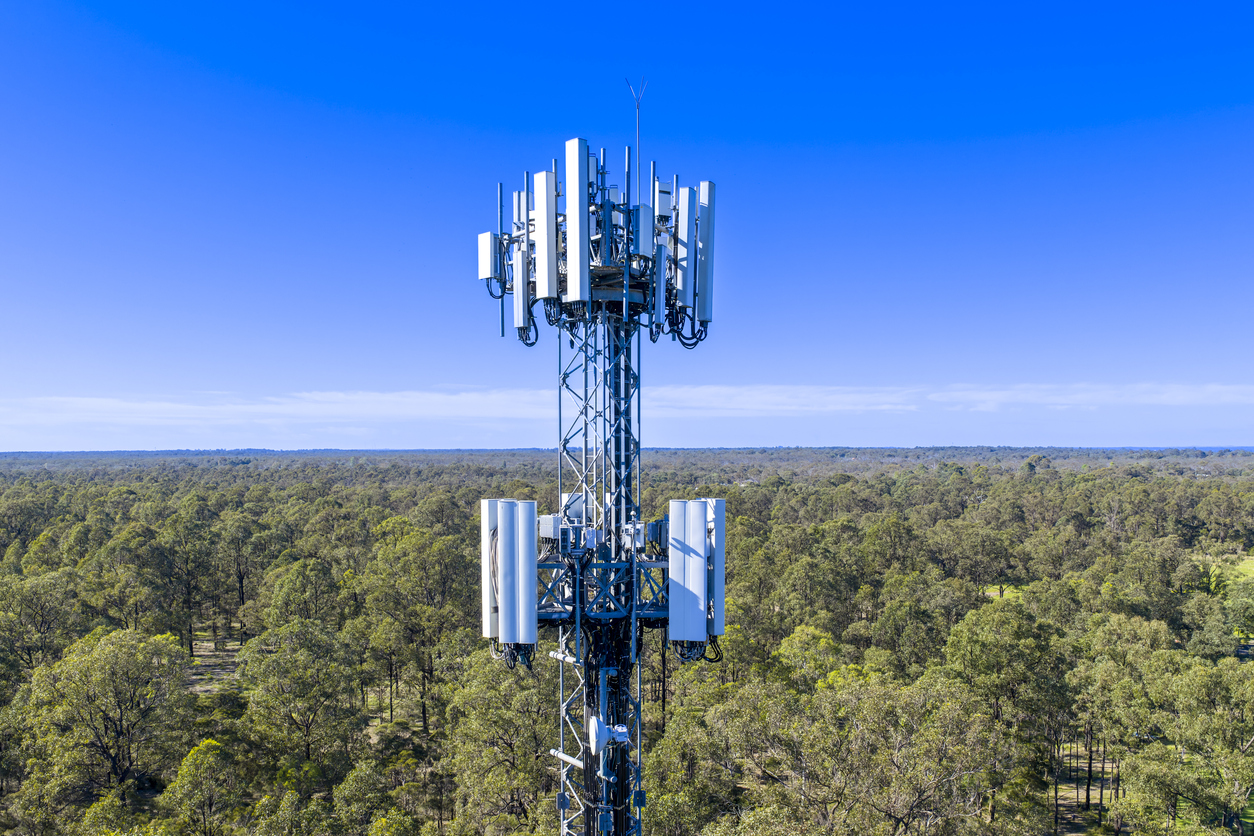
Africa’s telecommunications sector continues to expand rapidly, driven by rising mobile penetration, digital services adoption, and increased cross-border connectivity. As telecom traffic volumes grow, operators face mounting pressure to manage interconnect billing accurately and efficiently. This has increased the importance of carrier settlement automation in Africa.
Carrier settlement automation helps telecom operators streamline billing, reduce disputes, improve revenue assurance, and manage large-scale traffic reconciliation processes more effectively. In highly competitive telecom markets across Africa, automation is becoming essential for operational efficiency and financial accuracy.
What Is Carrier Settlement Automation?
Carrier settlement automation refers to the use of software platforms and digital systems to manage the reconciliation, invoicing, and payment processes between telecom carriers and operators.
Traditionally, settlement processes involved manual verification of traffic data and invoices, which could be time-consuming and prone to errors. Automated systems improve accuracy by processing large datasets in real time.
Key Functions of Carrier Settlement Automation
- Traffic data collection and validation
- Interconnect billing calculations
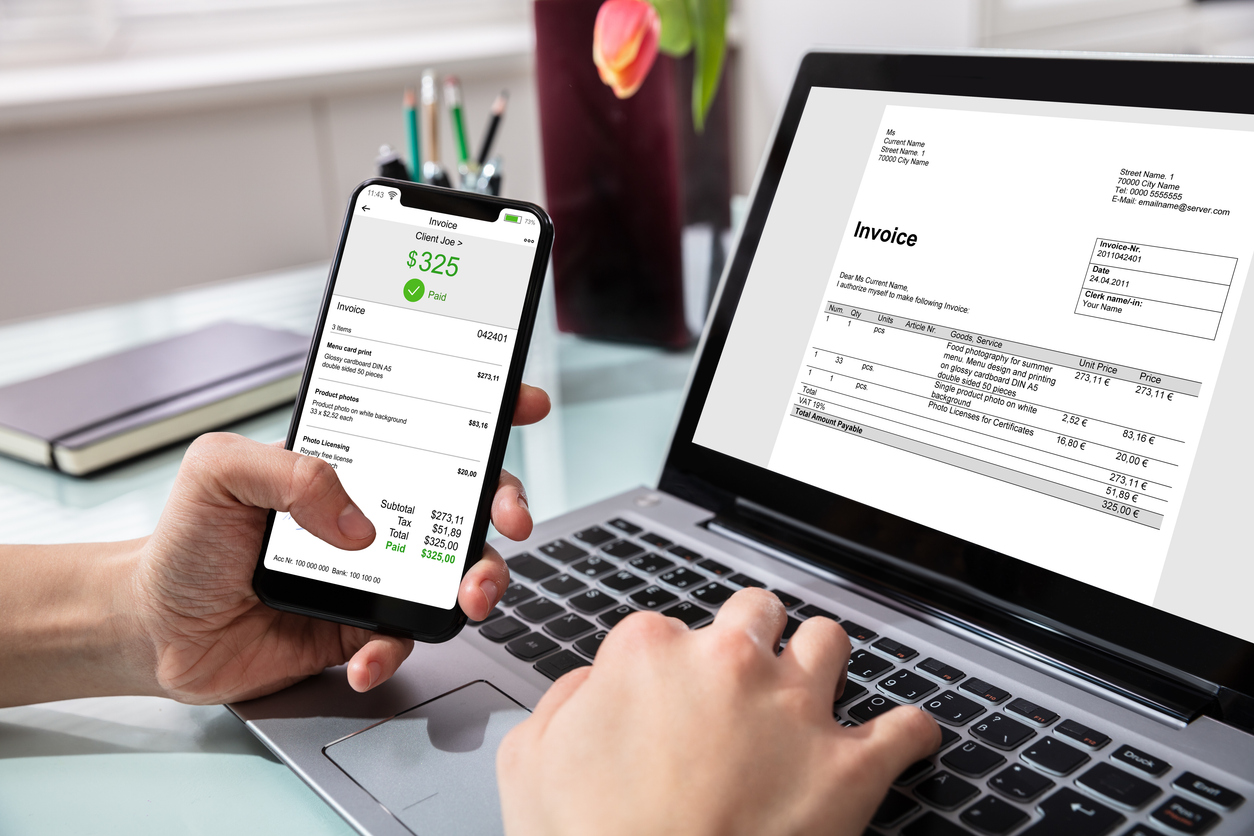
- Automated invoice generation
- Payment reconciliation
- Dispute management
- Revenue assurance reporting
These systems are especially important in Africa’s telecom ecosystem, where operators often manage high volumes of domestic and international traffic across multiple networks.
Why Carrier Settlement Automation in Africa Matters
Telecom markets in Africa are evolving quickly, with increased investments in mobile broadband, fintech services, and international connectivity. As traffic volumes rise, settlement complexity also increases.
Reducing Billing Errors
Manual settlement systems can lead to discrepancies in traffic records and payment calculations. Automation improves data accuracy and reduces costly billing disputes between operators.
Improving Revenue Assurance
Revenue leakage remains a major challenge in telecom operations. Automated settlement systems help operators identify inconsistencies, unbilled traffic, and fraud risks more efficiently.
Faster Reconciliation Processes
Automation shortens the settlement cycle by reducing manual intervention and improving data processing speeds.
Supporting Regulatory Compliance
Telecom operators across Africa must comply with national regulatory requirements for interconnect rates, reporting, and financial transparency. Automated systems help maintain compliance and audit readiness.
Common Challenges in Carrier Settlement Across Africa
Fragmented Telecom Infrastructure
Some operators work across multiple countries with varying technologies, currencies, and regulatory frameworks, increasing operational complexity.
High Traffic Volumes
Growing mobile data usage and international connectivity place pressure on legacy settlement systems.
Fraud and Traffic Bypass
Unregulated traffic routing and SIM box fraud can affect settlement accuracy and operator revenues.
Currency and Payment Risks
Cross-border settlements often involve foreign exchange fluctuations and delayed payments.
How Automation Helps Telecom Operators Manage Complexity
Real-Time Data Processing
Modern settlement platforms can analyse traffic data continuously, enabling quicker reconciliation and improved operational visibility.
Integrated Revenue Assurance
Automated systems can identify irregular traffic patterns and detect potential fraud before financial losses escalate.
Scalable Infrastructure
Cloud-based settlement platforms allow telecom operators to scale operations as subscriber bases and network traffic expand.
Improved Partner Relationships
Accurate and transparent settlement processes help reduce disputes between carriers and improve commercial relationships.
The Role of Logistics and Supply Chain Support in Telecom Operations
Carrier settlement automation relies heavily on reliable telecom infrastructure, including servers, networking equipment, and data centre hardware. Efficient supply chain management is therefore critical to maintaining uninterrupted telecom operations.
Wigmore Trading supports telecom businesses across Africa by helping companies:
- Source telecom infrastructure equipment internationally
- Manage import and customs clearance processes
- Coordinate warehousing and regional distribution
- Improve procurement and supply chain efficiency
Reliable sourcing and logistics support can help telecom operators maintain the infrastructure required for automated settlement and billing systems.
Future Trends in Carrier Settlement Automation in Africa
As Africa’s digital economy expands, telecom operators are increasingly investing in more advanced automation technologies.
AI and Machine Learning Integration
Artificial intelligence can improve fraud detection, predictive analytics, and anomaly identification in settlement systems.
Blockchain-Based Settlement Systems
Some telecom providers are exploring blockchain technology to improve transparency and reduce settlement delays.
Expansion of 5G Networks
The growth of 5G services will significantly increase data traffic volumes, making automated settlement systems even more important.
Cross-Border Telecom Partnerships
Regional connectivity projects across Africa will require more efficient multi-operator settlement frameworks.
Conclusion
Carrier settlement automation in Africa is becoming a critical component of telecom operations. As networks grow and interconnect traffic increases, operators need accurate, scalable, and efficient systems to manage billing and revenue assurance.
Automation helps reduce disputes, improve financial transparency, and support regulatory compliance while enabling telecom companies to operate more efficiently across multiple markets.
Wigmore Trading can help. Contact Wigmore Trading today to streamline your sourcing.





Comments are closed.