
Aba Made Products Suppliers in Nigeria: How to Source Quality Goods for Wholesale, Retail and Export


Aba has earned a strong reputation as one of Nigeria’s most important manufacturing and trading hubs. For many wholesalers, retailers, procurement teams and export buyers, Aba made products suppliers in Nigeria offer a practical route to sourcing affordable, locally produced goods across fashion, footwear, leather products, garments, household items and light industrial goods.
But finding the right supplier in Aba is not only about price. Businesses need to consider quality consistency, production capacity, finishing standards, packaging, payment terms, logistics, and whether the supplier can handle repeat orders without delays.
For companies that want to buy in bulk, distribute across Nigeria, or export African-made products, working with the right sourcing partner can make the difference between profitable procurement and costly supply chain mistakes.
Why Aba Remains a Major Supplier Market in Nigeria
Aba, located in Abia State, is widely known for its large network of artisans, small manufacturers, traders and wholesale clusters. The city is especially strong in products such as:
- Footwear and sandals
- Bags and leather goods
- Ready-made garments
- School uniforms and corporate wear
- Belts, wallets and fashion accessories
- Household plastic and general merchandise
- Locally fabricated light industrial items
- Textile-based products and custom apparel
Unlike many formal industrial zones, Aba’s strength comes from its dense supplier ecosystem. Designers, tailors, shoemakers, leather workers, packaging vendors, transporters and market agents often operate within close commercial networks. This makes it easier to source customised products, compare prices and arrange bulk production when the right contacts are in place.
For buyers, the opportunity is clear: Aba offers access to Nigerian-made goods at competitive prices. The challenge is knowing how to identify suppliers who can deliver consistently.
What Businesses Should Check Before Choosing Aba Made Products Suppliers
Not every supplier in Aba is suitable for wholesale, export or corporate procurement. Some are excellent for small retail orders but may struggle with large-volume production. Others can produce at scale but may need guidance on packaging, branding or delivery timelines.
Before placing an order, businesses should check:
- Product quality and finishing
Inspect stitching, sizing, material strength, colour consistency, sole durability, zips, lining, branding and packaging. - Production capacity
A supplier who can produce 100 pairs of shoes may not be able to deliver 5,000 units within a tight deadline. - Sample accuracy
The first sample should match what the buyer expects. Bulk production should not drop in quality after approval. - Raw material availability
Leather, textiles, soles, buckles, labels and packaging materials can affect cost and lead time. - Delivery reliability
Businesses should confirm whether the supplier can meet agreed timelines, especially for seasonal sales, school resumption, export shipments or promotional campaigns. - Pricing structure
Low pricing may look attractive, but hidden costs can appear through poor finishing, rejected goods, repackaging, returns or delayed delivery. - Payment terms and order tracking
Clear deposit, balance payment and delivery arrangements help reduce misunderstandings.
This is where procurement support becomes valuable. Wigmore Trading helps businesses manage sourcing, supplier checks, logistics coordination and bulk supply planning across Nigeria and wider African markets.
Common Aba Made Products Buyers Source in Bulk
Aba suppliers serve different types of buyers, from local retailers to export merchants and corporate procurement teams. The most commonly sourced goods include:
Footwear and leather products
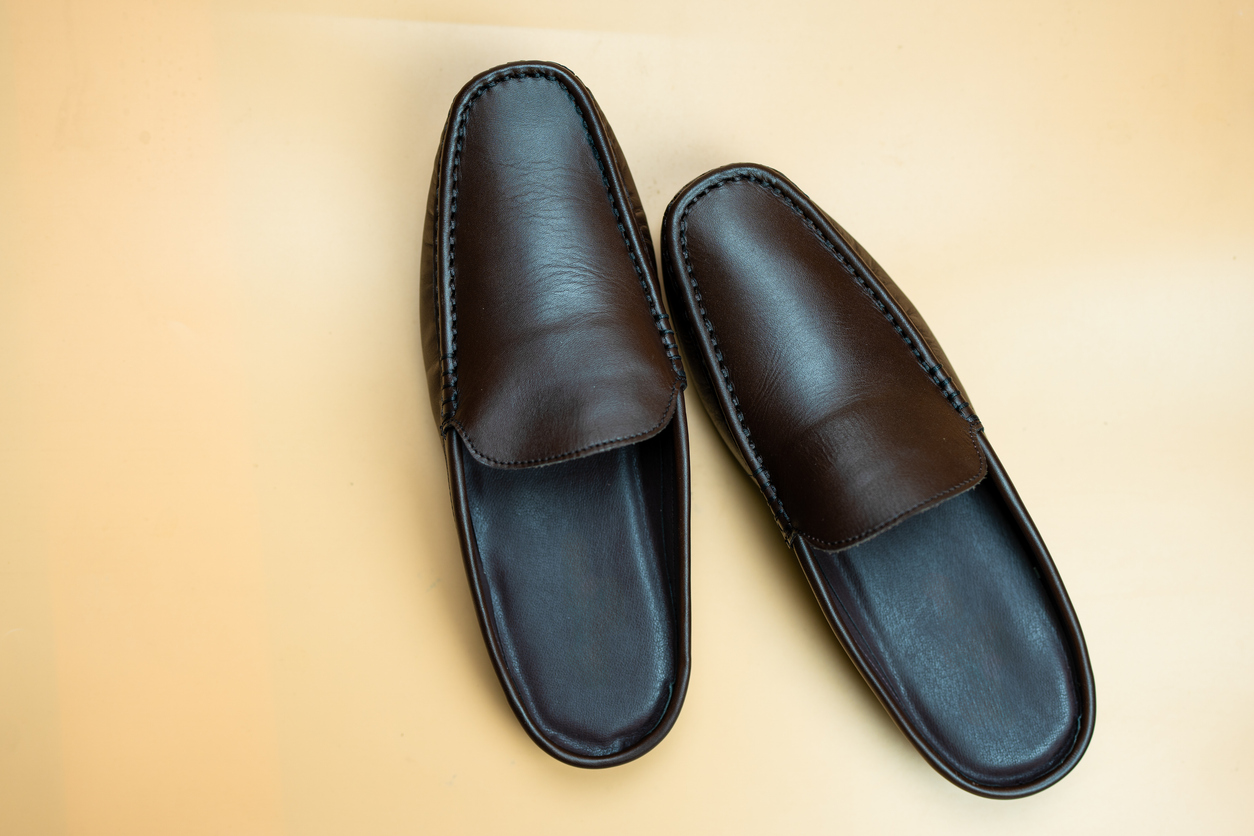
Aba is particularly known for shoes, slippers, sandals, belts, wallets and bags. Buyers often source these products for retail chains, school supply contracts, fashion businesses, corporate branding or resale in other African markets.
The key issue with footwear procurement is consistency. Bulk buyers should check size accuracy, sole quality, adhesive strength, stitching and finishing before accepting large orders.
Apparel and uniforms
Aba’s garment sector supports ready-made fashion, school uniforms, workwear, promotional T-shirts, customised clothing and traditional wear. For businesses, the main concern is ensuring fabric quality, colour matching, measurement consistency and delivery within agreed timelines.
Bags and fashion accessories
Handbags, backpacks, laptop bags, school bags and travel bags are commonly sourced from Aba suppliers. Buyers should pay attention to handles, zips, seams, lining, branding space and weight tolerance.
General merchandise
Aba’s trading markets also connect buyers to household goods, packaging items, light manufacturing products and locally adapted consumer goods. These are often useful for distributors serving open markets, supermarkets, schools and regional wholesalers.
The Real Sourcing Challenges Buyers Face in Aba
Aba offers strong sourcing opportunities, but buyers should approach the market carefully. The informal nature of many supplier networks can create operational challenges.
Common issues include:
- Inconsistent product quality between sample and bulk order
- Poor packaging for long-distance transport
- Production delays during high-demand periods
- Limited documentation for export buyers
- Difficulty verifying supplier capacity remotely
- Price changes caused by raw material cost increases
- Transport delays from Aba to Lagos, Abuja, Port Harcourt or northern Nigeria
- Lack of standardised invoices, product specifications or quality control records
For example, a retailer ordering school bags before a new academic term may lose sales if the supplier delivers late or produces inconsistent sizes. An exporter buying footwear for West African distribution may face rejection if packaging, labelling or finishing does not meet buyer expectations.
These are not reasons to avoid Aba. They are reasons to source professionally.
How to Source Aba Made Products Without Costly Mistakes
Businesses looking for Aba made products suppliers in Nigeria should treat sourcing as a structured procurement process, not a casual market purchase.
A practical process includes:
- Define the product clearly
Include size, material, colour, branding, finishing, packaging, quantity and delivery destination. - Request samples before bulk payment
Samples allow buyers to confirm workmanship, material quality and product suitability. - Compare multiple suppliers
Price alone should not decide the supplier. Compare reliability, capacity and previous work. - Agree on production timelines
Confirm when raw materials will be purchased, when production starts, when inspection happens and when goods will be dispatched. - Set quality control checkpoints
For large orders, inspection should happen before final payment and before transport. - Plan logistics early
Transport from Aba to Lagos ports, warehouses, retail branches or export consolidation points should be arranged before goods are ready. - Use a trusted sourcing and logistics partner
This reduces the risk of dealing with unknown suppliers remotely.
Wigmore Trading supports businesses that need supplier coordination, procurement assistance, warehousing, bulk sourcing and logistics support across Nigeria and Africa.
Aba Products for Local Distribution and Export
Aba made products are not only for Nigerian retailers. They can also serve regional African markets where buyers want affordable, durable and locally adapted goods.
Potential export and regional distribution markets include:
- Ghana
- Cameroon
- Benin Republic
- Togo
- Côte d’Ivoire
- Niger
- Senegal
- Sierra Leone
- Liberia
- Democratic Republic of Congo
However, export buyers need more than the product itself. They may require packaging, labelling, documentation, product sorting, container loading, customs support and delivery coordination.
For goods moving through Lagos ports, buyers must also consider port handling, Apapa or Tin Can Island congestion, customs clearance timelines and inland transport costs. Poor planning at this stage can reduce profit margins, even when the product price is attractive.
Why Supplier Verification Matters
Supplier verification is one of the most important parts of sourcing from Aba. A supplier may appear capable during negotiation but struggle when a serious order is placed.
Verification may involve checking:
- Physical workshop or production location
- Previous bulk production experience
- Product samples
- Availability of workers or subcontractors
- Raw material sources
- Ability to meet packaging requirements
- References from previous buyers
- Realistic production timelines
This is especially important for businesses placing remote orders from Lagos, Abuja, Port Harcourt or outside Nigeria. Without proper verification, buyers may face delays, quality disputes or incomplete deliveries.
Wigmore Trading helps reduce this risk by supporting businesses with supplier identification, procurement coordination and supply chain management.
How Wigmore Trading Supports Buyers Sourcing From Aba
Wigmore Trading works with businesses that need reliable sourcing, procurement and logistics solutions across Nigeria and African trade corridors. For companies interested in Aba made products, Wigmore Trading can assist with:
- Supplier sourcing and market coordination
- Bulk order procurement
- Product specification support
- Sample management
- Quality control coordination
- Wholesale supply planning
- Logistics from Aba to major Nigerian cities
- Export and import support
- Warehousing and inventory coordination
- Manufacturing and distribution support
This is particularly useful for retailers, distributors, corporate buyers, NGOs, schools, construction suppliers, fashion businesses and export merchants that need dependable supply without managing every market detail themselves.
Choosing the Right Aba Made Products Supplier for Your Business
The best supplier depends on the buyer’s goal. A fashion retailer may need stylish, fast-moving products with flexible designs. A school supplier may need durable shoes, bags and uniforms delivered before a fixed deadline. An export buyer may need consistent finishing, packaging and documentation.
Before choosing a supplier, ask:
- Can this supplier handle my required volume?
- Will the bulk order match the approved sample?
- Can they meet my deadline?
- Are materials available at the agreed price?
- Who will inspect the goods before dispatch?
- How will products be packed and transported?
- What happens if some items are defective?
These questions help protect margins and reduce procurement risk.
Work With Reliable Aba Made Products Suppliers in Nigeria
Aba remains one of Nigeria’s most valuable sourcing destinations for locally made goods. The city offers strong opportunities for businesses that want affordable, practical and market-ready products. But successful sourcing requires more than finding a cheap supplier. It requires supplier verification, quality checks, clear order specifications, logistics planning and reliable procurement support.
Businesses looking for Aba made products suppliers in Nigeria can work with Wigmore Trading to simplify sourcing, manage supplier coordination and move goods efficiently across Nigeria and wider African markets.
Get in touch with Wigmore Trading to discuss your bulk sourcing, wholesale supply, procurement or logistics requirements.





Comments are closed.