
Shoe Manufacturers in Aba Nigeria Wholesale: A Practical Sourcing Guide for Businesses

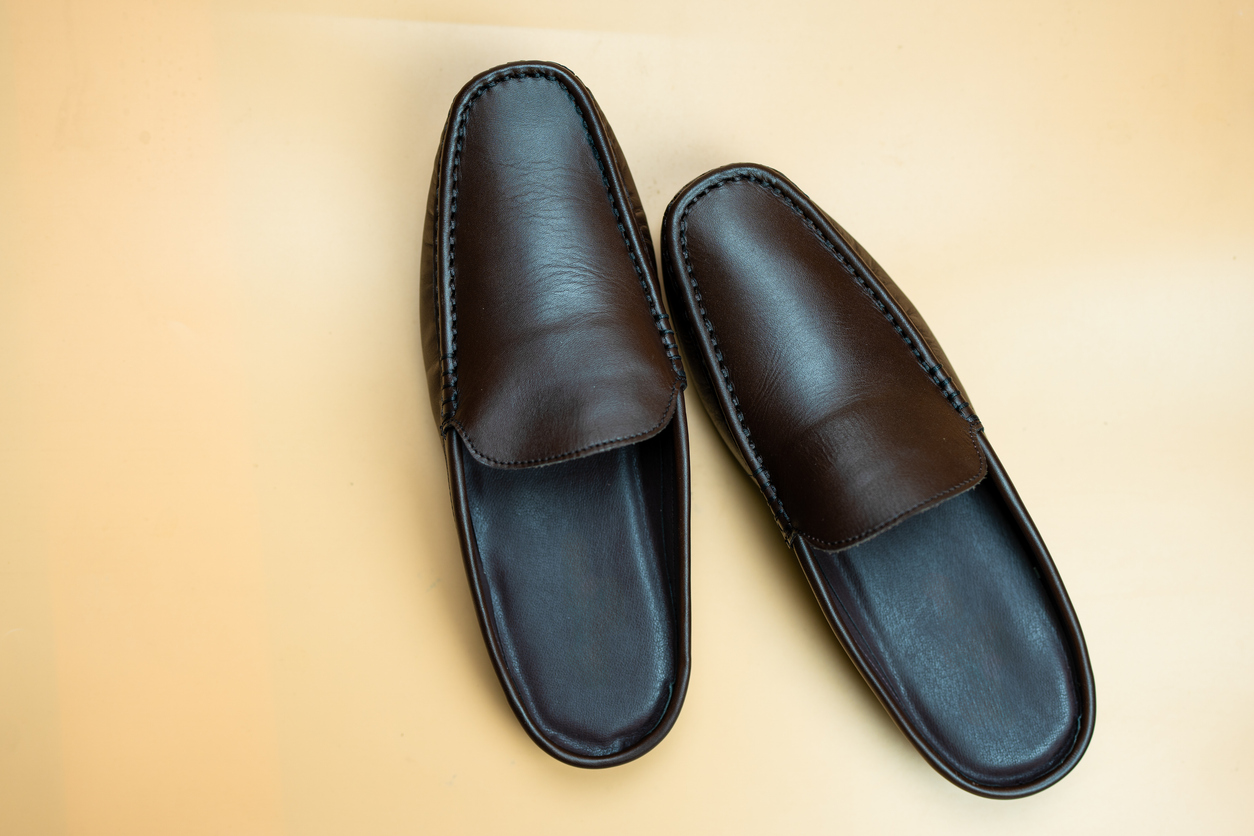
Aba is one of Nigeria’s strongest local manufacturing centres, especially for footwear, leather goods, garments, and small-scale industrial production. For retailers, distributors, schools, corporate buyers, and private-label brands, sourcing from shoe manufacturers in Aba Nigeria wholesale can be a cost-effective way to access locally produced footwear in bulk.
But buying shoes from Aba is not just about finding the lowest unit price. Businesses need to consider quality consistency, material selection, sizing accuracy, production timelines, packaging, transport, and supplier reliability. Without proper procurement planning, a wholesale order that looks affordable at first can become expensive through delays, defects, or poor market acceptance.
Wigmore Trading supports businesses with practical sourcing, procurement, logistics coordination, and wholesale supply solutions across Nigeria and wider African trade networks. For buyers looking to work with Aba footwear manufacturers, a structured sourcing approach can make the difference between a profitable supply chain and a risky purchase.
What Makes Aba a Serious Footwear Sourcing Market
Aba has built its footwear reputation through a network of skilled artisans, leather traders, sole suppliers, stitching specialists, pattern cutters, and finishing workshops. This cluster-based manufacturing system allows buyers to source different types of shoes locally, including:
- School shoes
- Corporate shoes
- Sandals and slippers
- Leather shoes
- Safety boots
- Casual footwear
- Uniform shoes
- Private-label footwear
- Low-cost mass-market shoes
For many Nigerian businesses, Aba offers a practical alternative to imported shoes. Currency volatility, foreign exchange pressure, shipping delays, import duties, and port-related costs can make imported footwear unpredictable. Local production gives buyers more flexibility, especially when they need faster replenishment or products suited to Nigerian consumers.
However, Aba sourcing works best when buyers treat it as a professional procurement process rather than a casual market transaction.
What Buyers Should Confirm Before Placing a Wholesale Order
Not every manufacturer in Aba is suitable for every type of buyer. A workshop that can produce 300 pairs of sandals may not be able to deliver 10,000 pairs of school shoes within a tight deadline. Before placing a wholesale order, businesses should check the supplier’s real production capacity.
Important questions include:
- Can the manufacturer handle the required order volume?
- Has the supplier produced similar shoes before?
- Are samples available before bulk production?
- What materials will be used?
- Can the supplier maintain consistent sizing?
- What is the estimated production lead time?
- Who handles packaging and delivery?
- What happens if part of the order fails inspection?
For corporate buyers, schools, retailers, and distributors, these questions are not minor details. They affect resale value, customer satisfaction, and cash flow.
Wigmore Trading can help businesses approach supplier selection more carefully by supporting procurement coordination, supplier checks, bulk order planning, and logistics arrangements.
The Real Cost of Buying Wholesale Shoes From Aba
The quoted price per pair is only one part of the total sourcing cost. Businesses should calculate the full cost of getting shoes from production to final delivery.
The real cost may include:
- Material selection
- Labour and production charges
- Branding or logo application
- Packaging
- Quality inspection
- Local movement within Aba
- Transport to Lagos, Abuja, Port Harcourt, Kano, or other markets
- Warehousing
- Loading and handling
- Defective or rejected stock
- Delays that affect resale timelines
For example, a retailer may buy shoes at a low wholesale price but lose margin if the soles are weak, sizes are inconsistent, or packaging is poor. A school supplier may win a contract but face complaints if the shoes cannot withstand daily use. A distributor may struggle if a large order arrives late and misses peak seasonal demand.
This is why procurement teams should compare suppliers based on total value, not just the cheapest quotation.
Quality Control Issues That Often Affect Aba Footwear Orders
Aba has strong manufacturing talent, but buyers still need clear quality standards. One common problem is the difference between sample quality and bulk order quality. A supplier may produce a good sample, then use cheaper materials or less careful finishing during mass production.
Buyers should pay attention to:
- Stitching strength
- Sole attachment
- Material thickness
- Inner lining
- Shoe weight
- Glue quality
- Edge finishing
- Sizing accuracy
- Colour consistency
- Packaging condition
For large orders, inspection should happen before the full batch is completed. Early checks help identify problems before they affect the entire order.
Businesses should also keep one approved sample as a production reference. This makes it easier to compare the finished goods against the agreed standard.
Why Local Manufacturing Can Reduce Import Pressure
Many Nigerian businesses are reviewing their dependence on imported footwear. Importing through Lagos ports, including Apapa and Tin Can Island, can involve delays, customs documentation, clearing charges, demurrage risks, and inland transport costs.
Local sourcing from Aba can help businesses reduce some of these pressures. It can also make it easier to order products in smaller batches, respond to market demand faster, and customize designs for local customers.
Local manufacturing may be especially useful for:
- Retail chains testing new product lines
- Schools ordering uniform footwear
- NGOs procuring footwear for distribution projects
- Corporate organizations buying branded shoes
- Online retailers managing fast-moving stock
- Distributors supplying regional markets
Still, local sourcing does not remove supply chain risk. It simply changes the type of risk. Instead of customs delays and international freight issues, buyers must manage production reliability, supplier communication, quality control, and domestic logistics.
How to Structure a Wholesale Footwear Order Professionally
Businesses sourcing from shoe manufacturers in Aba Nigeria wholesale should follow a clear process.
Define the product before requesting prices
A proper specification should include:
- Shoe type
- Material preference
- Colour
- Size range
- Quantity per size
- Sole type
- Branding requirements
- Packaging format
- Delivery location
- Target delivery date
- Expected quality level
The more specific the brief, the easier it is for manufacturers to quote accurately.
Approve samples before mass production
Samples help buyers test fit, comfort, durability, and finishing. For repeat orders, the approved sample should guide future production.
Agree on payment stages
For larger orders, staged payments can reduce risk. A buyer may pay a deposit, inspect production progress, and complete payment after pre-dispatch checks.
Confirm delivery arrangements early
Transport from Aba should be planned before the order is completed. Buyers should confirm who handles packaging, loading, freight, tracking, and delivery confirmation.
Keep order details documented
Written records help avoid disputes. Quantity, price, material type, delivery date, packaging, and quality expectations should be clearly stated.
Distribution Opportunities for Aba-Made Shoes
Aba-made footwear can serve several markets across Nigeria and West Africa. Distributors often move stock from Aba into Lagos, Onitsha, Port Harcourt, Abuja, Kano, and other commercial centres. Some buyers also explore regional trade opportunities where affordable, locally produced footwear can compete with imported alternatives.
Demand may come from:
- Open market traders
- Supermarkets and retail stores
- School suppliers
- Corporate procurement departments
- Safety equipment suppliers
- Fashion brands
- E-commerce sellers
- Regional distributors
For buyers serving multiple locations, warehousing and inventory planning become important. A business may need to split stock by size, destination, customer category, or delivery schedule. Wigmore Trading supports businesses with procurement and logistics coordination that helps improve movement from supplier to market.
Supplier Verification Matters More Than Ever
The growth of local sourcing has increased demand for reliable Aba manufacturers. But it has also made supplier verification more important. Businesses should avoid placing large orders based only on phone conversations, social media images, or verbal promises.
A serious supplier check should look at:
- Previous production experience
- Workshop capability
- Material access
- Sample quality
- Delivery history
- Communication reliability
- Ability to handle bulk quantities
- Willingness to document order terms
For businesses that cannot visit Aba directly, working with a sourcing and procurement partner can reduce risk. Wigmore Trading helps businesses approach supplier engagement more systematically, especially when bulk orders, repeat supply, or logistics coordination are involved.
How Wigmore Trading Supports Footwear Sourcing and Wholesale Supply
Wigmore Trading works with businesses that need practical supply chain support, not just supplier names. For footwear sourcing, this may include helping buyers understand supplier options, coordinate procurement, manage bulk requirements, and plan logistics from production point to destination.
Wigmore Trading’s wider services also support businesses involved in:
- Import and export
- Wholesale distribution
- Procurement assistance
- FMCG supply
- Commodity sourcing
- Logistics coordination
- Warehousing support
- Manufacturing support
- African trade and sourcing
For buyers sourcing locally from Aba, this operational support can help reduce delays, improve supplier communication, and create a more reliable wholesale supply process.
Building a More Reliable Local Footwear Supply Chain
The most successful buyers do not treat Aba as a one-time buying location. They build repeatable supply systems. This means working with verified manufacturers, setting clear product standards, maintaining realistic timelines, and planning transport properly.
A reliable footwear supply chain should include:
- Approved suppliers
- Clear product specifications
- Sample approval
- Production monitoring
- Quality checks
- Proper packaging
- Reliable freight coordination
- Inventory planning
- Documented payment and delivery terms
When these elements are in place, local footwear sourcing becomes more predictable and commercially useful.
Work With Wigmore Trading for Wholesale Footwear Sourcing
Sourcing from shoe manufacturers in Aba Nigeria wholesale can help businesses reduce import dependence, access flexible production, and build a stronger local supply chain. But success depends on more than price. Buyers need reliable suppliers, clear specifications, quality control, and dependable logistics.
Wigmore Trading supports businesses with procurement, wholesale supply, logistics coordination, and sourcing solutions across Nigeria and African markets. Businesses looking to source footwear from Aba or work with local manufacturers in Nigeria can contact Wigmore Trading to discuss their bulk supply requirements.





Comments are closed.