
Foam Manufacturers Aba Nigeria: How Businesses Can Source Foam Products for Wholesale, Furniture, and Industrial Use

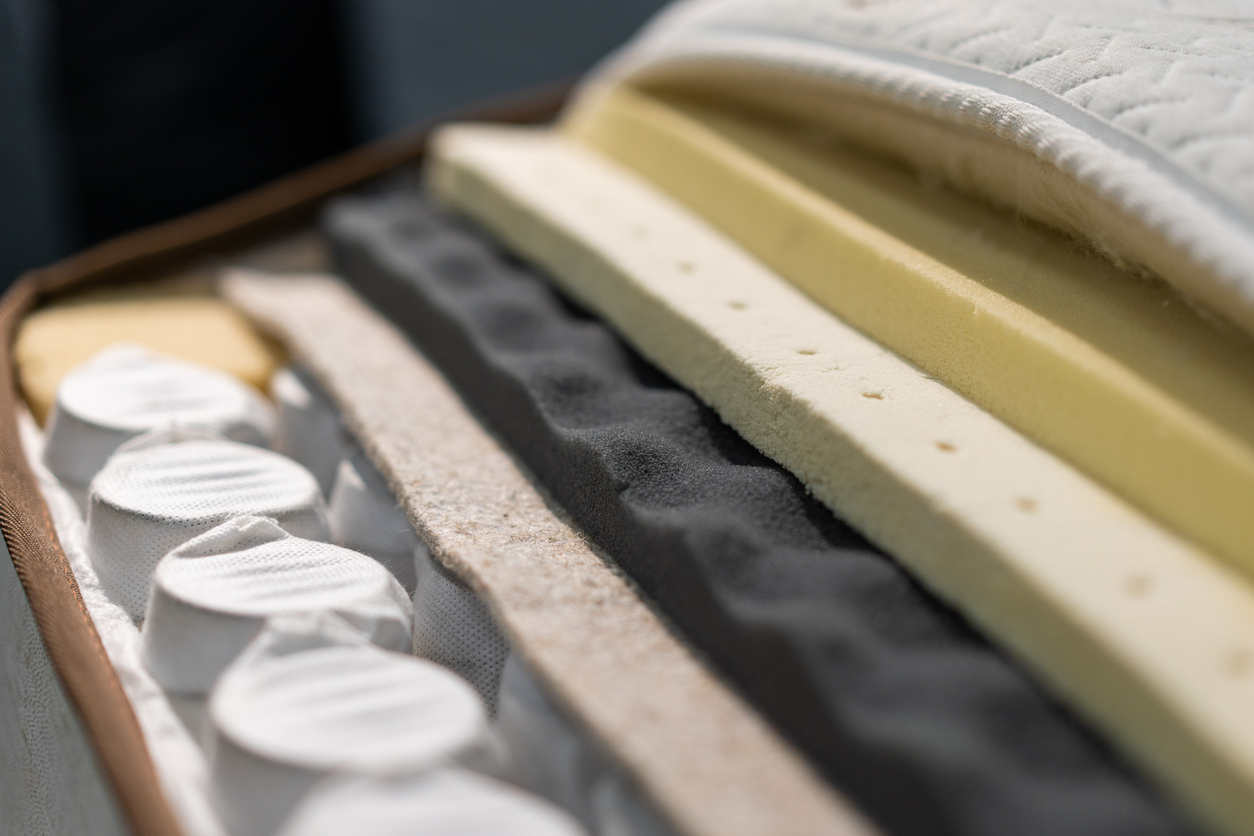
Aba is widely known for footwear and garment production, but its manufacturing ecosystem also supports furniture makers, mattress producers, upholstery businesses, packaging suppliers, and traders who depend on foam materials. For buyers searching for foam manufacturers Aba Nigeria, the real need is usually not just a supplier name. They need consistent quality, dependable supply, fair pricing, and logistics that can move bulky foam products without damage or delay.
Foam sourcing can affect several industries at once. Furniture workshops need cushioning foam. Mattress sellers need reliable density and sizes. Packaging companies need protective foam sheets. Upholstery businesses need materials that can withstand regular use. Distributors need products that can move quickly through regional markets without excessive storage costs.
Wigmore Trading supports businesses with procurement assistance, wholesale supply coordination, logistics planning, and manufacturing support across Nigeria and wider African trade corridors. For companies buying foam in bulk, structured sourcing can make the difference between a profitable supply chain and a costly procurement problem.
What Buyers Usually Mean When Searching for Foam Manufacturers in Aba Nigeria
Businesses looking for foam manufacturers Aba Nigeria may be sourcing different types of foam products depending on their sector. Some need finished consumer products, while others need raw or semi-finished materials for production.
Common requirements include:
- Mattress foam blocks
- Upholstery foam for chairs and sofas
- Foam sheets for furniture makers
- High-density foam for commercial use
- Soft foam for cushions and bedding
- Packaging foam for fragile goods
- Foam rolls for fabrication
- Cut-to-size foam for workshops
- Foam offcuts for lower-cost applications
The sourcing approach should depend on the final use. A mattress distributor will have different quality expectations from a packaging company. A hotel furniture contractor will care more about durability and comfort. A small upholstery workshop may focus on price, availability, and flexible order quantities.
That is why buyers should define their requirements clearly before approaching suppliers.
What Businesses Should Check Before Buying Foam in Bulk
Foam may look simple, but small differences in density, compression, recovery, and cutting accuracy can affect product performance. A buyer who focuses only on price may end up with materials that flatten too quickly, tear during handling, or fail customer expectations.
Before placing a wholesale order, procurement teams should check:
- Foam density
Density affects durability, comfort, and price. Low-density foam may be suitable for temporary or low-cost products, while higher-density foam is better for mattresses, furniture, hospitality projects, and long-term commercial use. - Firmness and recovery
Foam should return to shape after pressure. Poor recovery can lead to sagging cushions, weak mattresses, and customer complaints. - Cutting accuracy
Furniture makers and mattress producers need consistent sizes. Poorly cut foam creates waste, affects finishing, and slows production. - Product consistency across batches
One of the biggest risks in bulk foam sourcing is receiving good samples but inconsistent stock in the main order. - Packaging and handling
Foam is bulky and can be damaged by dirt, moisture, compression, or careless loading. Buyers should confirm how products will be wrapped, loaded, and transported. - Lead time and production capacity
A manufacturer may handle small orders well but struggle with urgent bulk supply. This matters for distributors, hotel projects, school furniture suppliers, and manufacturing businesses working to deadlines.
Wigmore Trading can help businesses structure supplier discussions, compare sourcing options, and coordinate procurement so that buyers are not relying on guesswork.
The Real Cost of Buying Foam From Aba
The quoted unit price is only part of the cost. Foam is bulky, so logistics, storage, and handling can significantly affect profitability.
A buyer sourcing from foam manufacturers Aba Nigeria should calculate:
- Price per sheet, roll, block, or mattress size
- Density and grade differences
- Cutting or customization charges
- Packaging costs
- Loading and local handling
- Transport to Lagos, Abuja, Port Harcourt, Onitsha, Kano, or other markets
- Warehouse space requirements
- Losses from damaged or compressed stock
- Delays caused by incomplete orders
- Cost of rejected or inconsistent products
For example, a furniture distributor may negotiate a cheap foam supply but lose money if the foam arrives poorly cut, forcing carpenters and upholsterers to trim excess material manually. A mattress retailer may lose repeat customers if the foam softens too quickly after purchase.
Procurement teams should look at total landed cost, not only the factory price.
How Aba’s Manufacturing Cluster Supports Foam Buyers
Aba’s advantage is not only its production base. It is the way different industries connect. Foam suppliers often serve furniture makers, upholstery workshops, mattress traders, fabric sellers, transporters, and regional wholesalers within the same commercial ecosystem.
This cluster can help buyers because:
- Supporting materials are easier to source
- Custom orders can be discussed directly
- Smaller wholesale quantities may be possible
- Furniture and upholstery businesses can coordinate supply locally
- Repeat orders can be adjusted based on market demand
- Distributors can combine foam sourcing with other products
For businesses serving southeastern Nigeria and nearby markets, Aba can be a practical sourcing point. Goods can move from Aba into Port Harcourt, Owerri, Onitsha, Enugu, Uyo, Calabar, and further into Lagos or northern distribution networks.
The opportunity is strong, but buyers still need supplier checks and proper logistics coordination.
Common Problems Buyers Face When Sourcing Foam Products
Foam procurement can become difficult when buyers do not control quality, timelines, or transport conditions.
Density differences between sample and bulk stock
A supplier may present a firm, well-cut sample but deliver lower-density foam in the final batch. Buyers should document agreed specifications and inspect goods before dispatch.
Poor storage before collection
Foam stored in damp, dusty, or exposed environments can arrive in poor condition. This is especially risky when products are intended for mattresses, hospitality furniture, or retail display.
Compression damage during transport
Because foam takes up space, transporters may compress loads aggressively to fit more goods into a truck. This can distort shape, affect presentation, and reduce product value.
Delays from raw material availability
Foam production depends on chemical inputs, machinery, cutting equipment, and stable power supply. If inputs are delayed or prices shift, production schedules may be affected.
Unclear order specifications
Many disputes happen because buyers and suppliers did not agree on density, size, thickness, packaging, or delivery responsibilities in writing.
These are avoidable problems when sourcing is handled professionally.
What Procurement Teams Should Specify Before Placing an Order
A serious foam order should not be based on informal descriptions such as “strong foam” or “good quality foam.” Buyers should prepare clear specifications.
Useful order details include:
- Foam type
- Density or grade
- Thickness
- Length and width
- Firmness preference
- Colour, where relevant
- Quantity per size
- Cutting requirements
- Packaging method
- Delivery location
- Expected delivery date
- Inspection arrangement
- Payment terms
- Replacement terms for defective stock
This is especially important for furniture manufacturers, mattress distributors, hospitality suppliers, construction contractors, and retailers handling repeat customer demand.
Wigmore Trading helps businesses bring structure to procurement, including supplier coordination, order planning, logistics support, and bulk supply management.
How Foam Sourcing Affects Furniture and Mattress Businesses
Foam quality directly affects the reputation of furniture and mattress sellers. Customers may not understand density specifications, but they quickly notice when a sofa collapses, a mattress loses shape, or a cushion becomes uncomfortable.
For furniture makers, poor foam can lead to:
- Sagging seats
- Uneven finishing
- Customer complaints
- More warranty issues
- Higher material waste
- Delayed production
- Reduced resale value
For mattress retailers, inconsistent foam can cause:
- Product returns
- Weak brand trust
- Price disputes
- Slow-moving stock
- Negative customer referrals
This is why wholesale buyers should treat foam as a performance material, not just a commodity.
Managing Logistics for Bulky Foam Products
Foam is lightweight but space-consuming. This makes transport planning important. A truck carrying foam may reach volume capacity before weight capacity, which affects freight pricing.
Businesses should consider:
- Truck size and loading method
- Protection from rain and dust
- Whether foam will be compressed
- Delivery route and distance
- Offloading arrangements
- Warehouse space on arrival
- Inventory rotation
- Storage away from moisture and heat
For buyers moving foam from Aba to Lagos, transport planning is especially important because road delays, handling issues, and warehouse congestion can affect delivery schedules. Businesses distributing across West African trade corridors may also need more structured packaging and documentation.
Wigmore Trading supports logistics coordination and supply chain management for businesses moving bulk goods across Nigeria and regional markets.
Why Local Foam Sourcing Can Reduce Import Pressure
Many Nigerian businesses are reviewing their dependence on imported materials because of currency volatility, shipping delays, port congestion, import documentation requirements, and customs clearance costs. For certain foam products, local sourcing can offer more flexibility than importing finished or semi-finished goods through Lagos ports, Apapa, or Tin Can Island.
Local sourcing can help businesses:
- Replenish stock faster
- Reduce exposure to foreign exchange swings
- Order based on current market demand
- Customize products for local customers
- Avoid some international freight delays
- Support domestic production
- Improve supplier communication
However, local sourcing still requires proper procurement discipline. Buyers need to verify quality, compare suppliers, manage transport, and confirm product specifications before committing to large orders.
Wholesale Opportunities for Distributors and Manufacturers
Foam sourcing from Aba can support several commercial buyers, including:
- Furniture manufacturers
- Mattress retailers
- Upholstery workshops
- Interior decorators
- Hotel and school furniture contractors
- Packaging suppliers
- Wholesale distributors
- Open-market traders
- Online bedding and furniture sellers
- Industrial buyers needing protective materials
A distributor may buy foam sheets in bulk and resell to smaller workshops. A furniture company may use Aba suppliers to support production runs. A hotel procurement team may need consistent foam for bed bases, chairs, and lounge furniture. A packaging company may need protective foam for electronics, glassware, machinery parts, or fragile imported goods.
Each buyer type has different quality and delivery expectations, so sourcing must be matched to the actual business use.
How Wigmore Trading Supports Foam Procurement and Supply
Many businesses do not struggle because foam is unavailable. They struggle because the sourcing process is not controlled.
Wigmore Trading can support buyers through:
- Supplier identification
- Procurement assistance
- Bulk supply coordination
- Manufacturing support
- Logistics planning
- Warehousing coordination
- Local and regional distribution support
- Import/export support where required
- Supply chain management for African markets
For businesses searching for foam manufacturers Aba Nigeria, Wigmore Trading provides practical commercial support beyond introductions. The goal is to help buyers source the right products, manage supply risk, and move goods efficiently.
Building a More Reliable Foam Supply Chain From Aba
The best sourcing results usually come from repeat supplier relationships, clear specifications, and dependable logistics. Instead of buying randomly from different suppliers every time, businesses should build a structured system.
A reliable foam supply chain should include:
- Verified manufacturers
- Agreed density and size standards
- Approved samples
- Written order specifications
- Production and pre-dispatch checks
- Suitable packaging
- Planned transport
- Warehousing arrangements
- Clear payment and delivery terms
- Regular supplier performance reviews
This approach helps buyers reduce waste, protect margins, and serve customers more consistently.
Work With Wigmore Trading for Foam Sourcing Support
Sourcing from foam manufacturers Aba Nigeria can be a practical option for furniture makers, mattress businesses, distributors, packaging companies, and procurement teams that need local supply at wholesale scale. But successful sourcing depends on more than finding the lowest price.
Businesses need reliable manufacturers, consistent foam quality, clear specifications, and logistics that protect the goods from production point to final destination.
Wigmore Trading helps businesses source, procure, supply, warehouse, and move products more efficiently across Nigeria and African trade networks. Get in touch with Wigmore Trading to discuss foam sourcing, wholesale supply, procurement support, or logistics coordination for your business.





Comments are closed.