
How to Become a Table Water Distributor in Nigeria

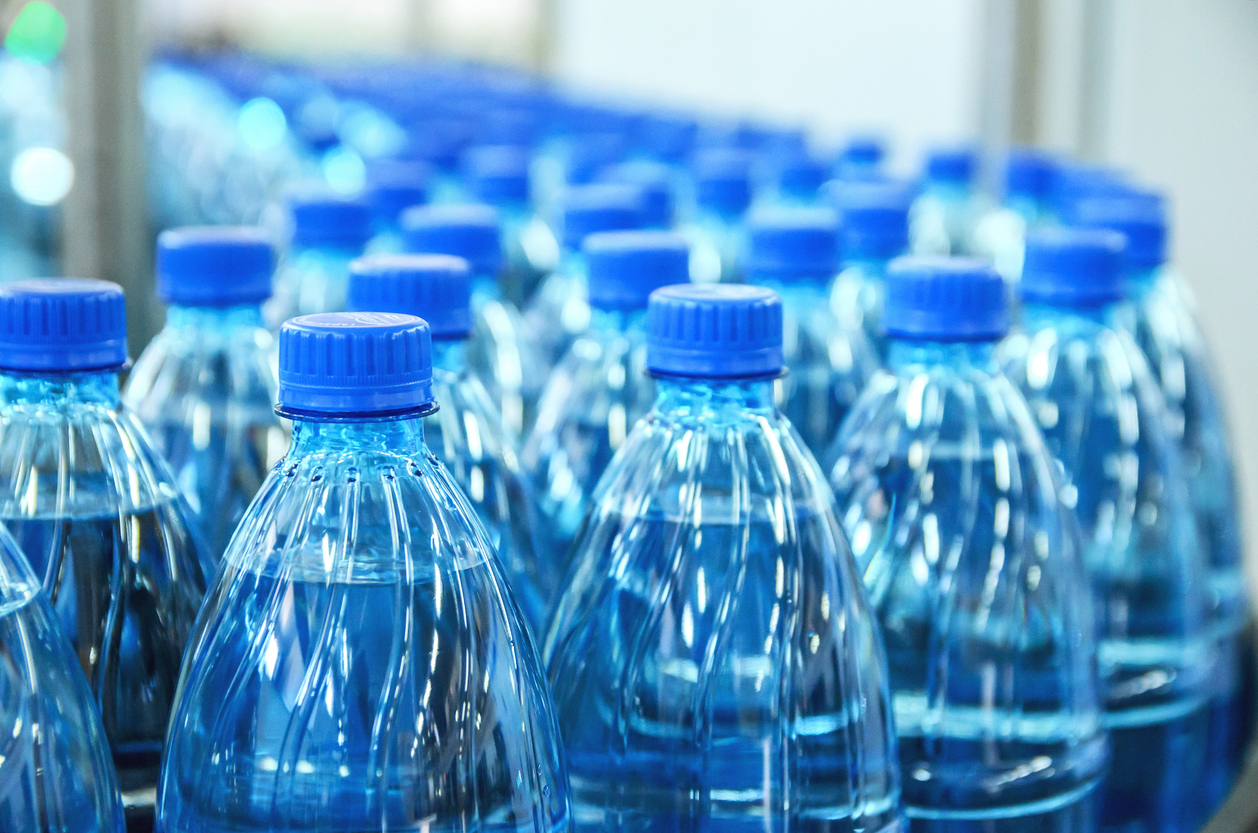
Nigeria’s table water market is large, fast-moving, and highly competitive. From sachet water sold in traffic to bottled water supplied to offices, hotels, supermarkets, schools, events, and hospitals, demand is constant because clean drinking water is a daily necessity.
But becoming a table water distributor in Nigeria is not just about buying cartons and reselling them. The real profit comes from choosing the right suppliers, controlling delivery costs, managing stock properly, and building a customer base that buys repeatedly.
NAFDAC requires packaged water products to meet safety and registration standards before they are produced, sold, advertised, distributed, or used in Nigeria. This makes supplier verification one of the most important steps for any serious distributor. (NAFDAC)
Start by Understanding the Local Table Water Market
Before investing in stock, study your target area. Table water demand in Lagos, Abuja, Port Harcourt, Kano, Ibadan, and Onitsha will differ depending on income levels, commercial activity, and access to clean public water.
Common buyers include:
- Retail shops and kiosks
- Restaurants and food vendors
- Hotels and guest houses
- Offices and factories
- Schools and churches
- Event planners
- Supermarkets and wholesalers
A distributor supplying small retailers may focus on sachet water and affordable bottled water. A distributor targeting corporate clients may need branded bottled water, consistent packaging quality, invoices, and reliable delivery schedules.
Choose a Reliable and Registered Water Supplier
Your supplier determines your reputation. A low-cost supplier may look attractive, but poor sealing, weak packaging, irregular production, or regulatory issues can damage your business quickly.
Before working with any table water producer, confirm:
- NAFDAC registration number
- Production consistency
- Packaging quality
- Expiry date clarity
- Delivery capacity
- Wholesale pricing structure
- Ability to handle bulk orders
- Replacement policy for damaged stock
Avoid suppliers who cannot provide proper product details or whose packaging looks inconsistent. In Nigeria’s packaged water trade, trust is built through regular availability and clean presentation.
Wigmore Trading supports businesses with procurement, wholesale supply, and sourcing coordination, helping distributors connect with dependable supply channels where consistency matters.
Calculate Your Start-Up Costs Properly
The cost of becoming a table water distributor in Nigeria depends on your scale. A small distributor may begin by buying from a nearby factory and supplying local retailers. A larger distributor may need a van, warehouse space, sales staff, and wider delivery coverage.
Typical costs include:
- Initial stock purchase
- Transport or delivery vehicle
- Storage space
- Loading and offloading labour
- Shop or depot rent
- Fuel and vehicle maintenance
- Staff wages
- Phone, invoicing, and customer management
The mistake many new distributors make is focusing only on purchase price. In reality, fuel, damaged cartons, delayed payments, and unsold stock can reduce profit quickly.
Set Up Storage That Protects Product Quality
Table water may seem easy to store, but poor storage affects quality and customer confidence. Bottled and sachet water should not be left under direct sunlight for long periods. Heat can weaken packaging and make the product look unattractive.
A good depot should be:
- Clean and dry
- Easy for vehicles to access
- Protected from sunlight and rain
- Large enough for fast stock movement
- Organised by batch and expiry date
Use a first-in, first-out system so older stock is sold before newer stock. This is especially important when supplying supermarkets, hotels, and corporate buyers who inspect expiry dates.
Build a Practical Distribution Route
Delivery planning can determine whether the business makes money. A distributor serving Lekki, Ikeja, Surulere, or Apapa, for example, must account for traffic, loading delays, fuel costs, and customer availability.
Group customers by location instead of delivering randomly. This reduces fuel use and improves daily sales volume. For example, one route can cover offices and retailers in the same business district before moving to restaurants or event centres nearby.
For larger operations, Wigmore Trading can support logistics coordination, bulk procurement planning, and supply chain management for businesses that need consistent product movement across Nigerian and West African markets.
Price for Profit, Not Just Sales Volume
Table water distribution is usually a volume business, but volume without margin can create cash flow problems. Your selling price should cover purchase cost, transport, labour, damage allowance, and profit.
When setting prices, consider:
- Distance to customer
- Quantity ordered
- Payment terms
- Frequency of purchase
- Competitor pricing
- Cost of replacement stock
Offer better rates to customers who buy regularly and pay on time. Be careful with credit sales, especially when supplying small retailers. Many distributors lose money not because demand is low, but because too much stock is sold on unpaid credit.
Get Customers Through Consistency
The best customers in table water distribution are repeat buyers. Restaurants, offices, schools, and retailers prefer suppliers who deliver on time and do not disappear when demand rises.
To grow your customer base:
- Visit shops and offices directly
- Offer sample pricing for first orders
- Keep delivery promises
- Respond quickly to urgent orders
- Maintain clean invoices and receipts
- Follow up before customers run out of stock
Consistency is more powerful than aggressive promotion. In the Nigerian FMCG market, buyers often stay with suppliers who reduce stress.
Common Mistakes New Distributors Should Avoid
Many new distributors enter the business because demand looks easy. The real challenge is managing logistics and cash flow.
Avoid these mistakes:
- Buying from unverified suppliers
- Storing water under direct sunlight
- Selling too much on credit
- Ignoring transport costs
- Depending on only one supplier
- Expanding routes before demand is stable
- Failing to track stock and payments
A smart distributor builds gradually, protects margins, and works with suppliers who can scale as demand increases.
How Wigmore Trading Can Support Table Water Distribution
Businesses looking to become table water distributors in Nigeria need more than stock. They need reliable sourcing, procurement discipline, logistics planning, and dependable wholesale support.
Wigmore Trading helps businesses with FMCG distribution, procurement assistance, bulk supply solutions, logistics coordination, and supply chain management across Nigeria and wider African trade networks.
For entrepreneurs, retailers, and corporate buyers looking to source table water or build a stronger distribution operation, Wigmore Trading can help streamline the process from supplier selection to delivery planning.






Comments are closed.